
If you’ve ever found yourself lingering in a tea aisle, drawn to the soft floral notes of a jasmine green tea, you already know what it feels like to be seduced by a tea’s aroma before you’ve taken a single sip. Jasmine tea is one of the world’s most beloved scented teas — fragrant, approachable, and deeply satisfying. For millions of people, it’s the definition of a perfectly brewed cup.
But somewhere beyond the familiar comfort of jasmine lies a rarer, more storied world: Vietnamese lotus tea, or trà sen — a tea so painstakingly handcrafted, so deeply rooted in cultural identity, that it was officially recognized as a National Intangible Cultural Heritage. And within the world of Vietnamese lotus teas, one expression stands apart from all others: West Lake lotus tea, scented with the legendary Bách Diệp blossoms of Hanoi’s Hồ Tây. If jasmine tea is the charming introduction to the world of floral teas, West Lake lotus tea is the rare, slow-burning masterpiece you’ll never quite forget.
This article takes a close look at both — how they’re made, how they taste, and why one of them carries the weight of centuries of Vietnamese history in every cup.
What Is Jasmine Tea, and Why Is It So Popular?
Jasmine tea is a scented tea made by combining green tea leaves with fresh jasmine blossoms. The process relies on the tea’s natural ability to absorb fragrance: jasmine flowers, harvested at the precise moment their scent is strongest — typically just as they begin to open — are layered or mixed with the tea leaves and left to infuse their aroma over a period of hours. The flowers are then removed, and the tea is dried to lock in the fragrance.
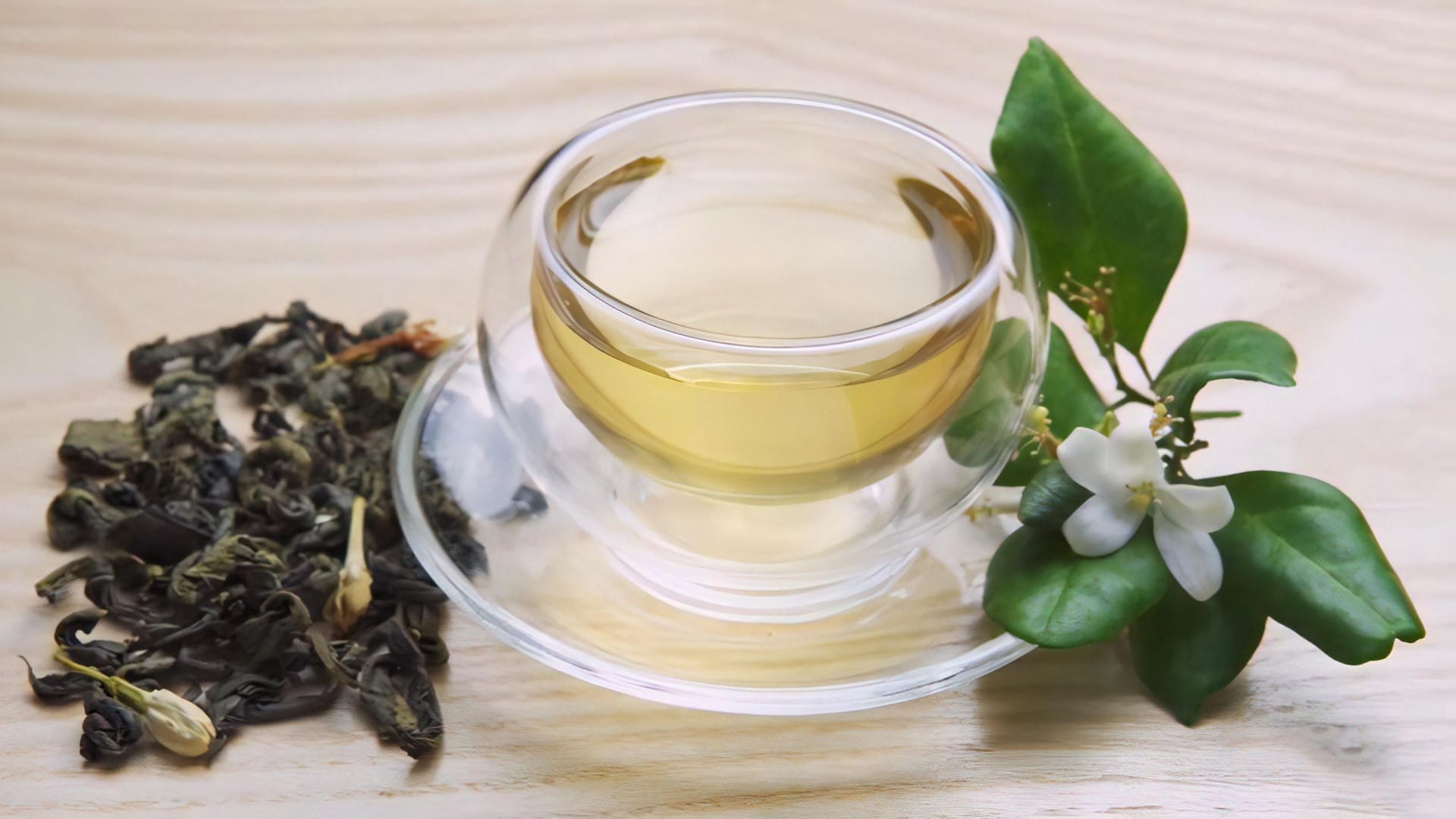
What makes jasmine tea so universally appealing is exactly this lightness. The scent is sweet, clean, and gentle — never overwhelming. The flavor that follows is equally easy to love: a mild, pleasant astringency with a soft, lingering sweetness. The liquor is typically golden or pale amber, clear and inviting. It’s a tea that welcomes everyone, from the curious beginner to the lifelong enthusiast.
In terms of production, jasmine tea is more accessible than many other scented teas. The scenting cycles — resting jasmine flowers with green tea for roughly 24 hours, rotating the mixture every few hours to prevent moisture buildup, then drying at around 80°C — are typically repeated three-four times over about ten days. The result is a tea with consistently delicate, tightly rolled leaves, sometimes punctuated by small dried jasmine blossoms that remain as a final aesthetic touch.
This relative efficiency doesn’t diminish jasmine tea in any way. It simply means the tea is more widely available, more consistently priced, and well-suited to everyday moments: a morning cup to ease into the day, an afternoon pot shared with friends, or a quiet hour of unwinding at the end of the evening. Jasmine tea belongs to daily life in the most comfortable way.
Enter Lotus Tea: Vietnam’s Most Extraordinary Brew
If jasmine tea is the approachable companion you return to every day, Vietnamese West Lake lotus tea is the rare encounter you tell stories about.
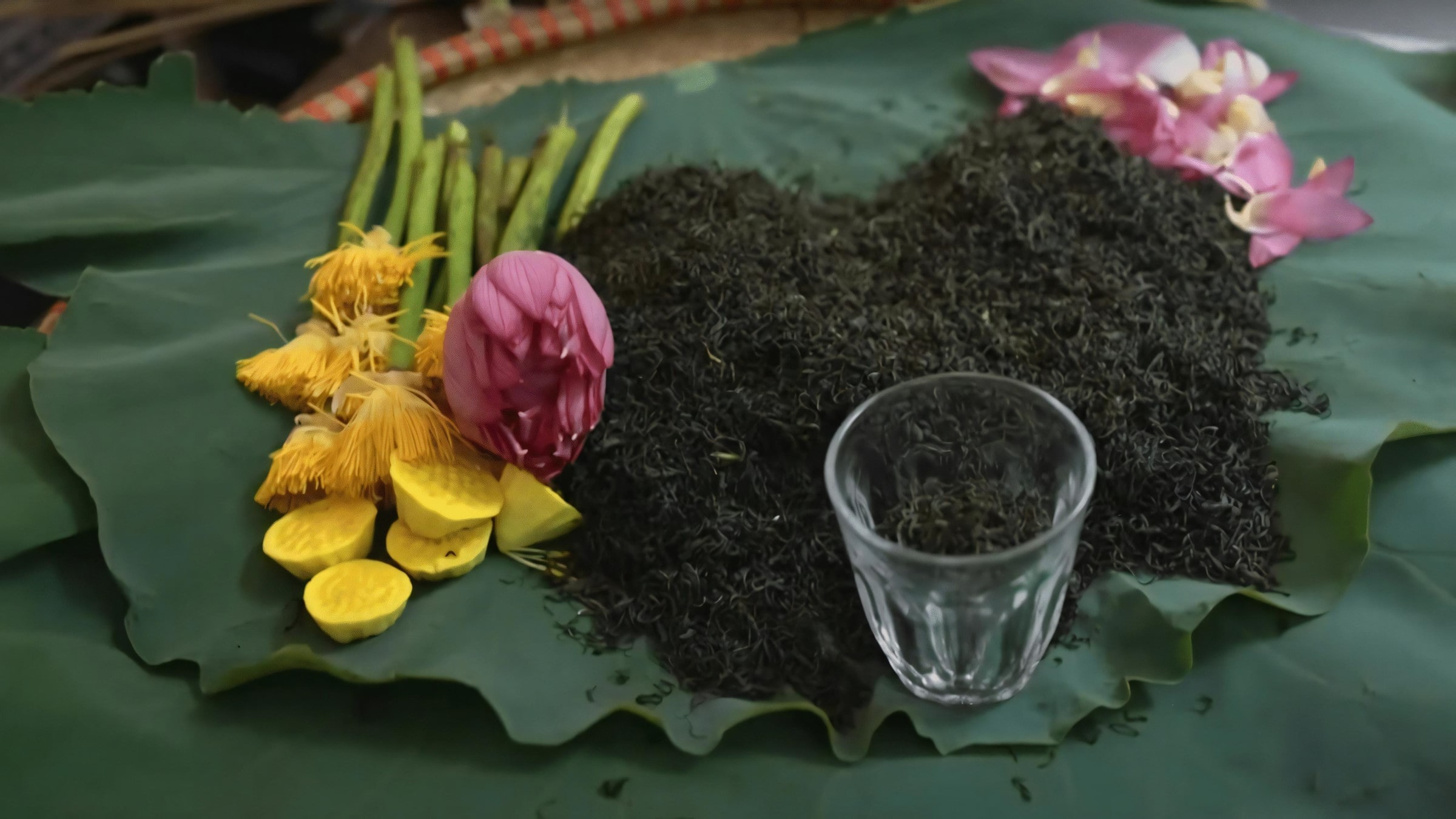
Known in Vietnamese as trà sen, lotus tea is handcrafted by scenting premium green tea leaves — specifically, the finest buds harvested from Tân Cương, Thái Nguyên, Vietnam’s largest and most renowned tea-growing region — with the pollen-bearing stamens of fresh lotus blossoms.. But within the world of Vietnamese lotus teas, there is a clear pinnacle, and it begins with the flower. The most revered expression uses Bách Diệp lotus from West Lake (Hồ Tây) in Hanoi: a variety distinguished by its hundred-petal blooms, its intensely pure fragrance, and a depth of character that lotus blossoms from other regions simply cannot replicate. Other Vietnamese lotus teas exist, and some are beautiful in their own right — but West Lake Bách Diệp lotus tea occupies a different tier entirely, one defined by geography, rarity, and centuries of devoted artisanship.
The story of how this tea is handcrafted is, in many ways, the story of extraordinary devotion. (To understand the full history behind this legendary tea, read our companion piece: [Lotus Tea Legend — Part I: The Sacred History of the West Lake Lotus].)
Lotus flowers — available for only a few short weeks in June and July — must be gathered between 4 and 6 o’clock in the morning, when the blossoms have just opened enough to reveal their stamens but have not yet fully unfurled. This is the moment — and only this moment — when the fragrance is at its most concentrated and the stamens are at their best. A single West Lake lotus blossom yields just 1 to 1.1 grams of anthers. To bring forth just one kilogram (2.2 Ib) of finished lotus tea, anywhere from 1,200 to 1,500 lotus blossoms must be gathered and tended entirely by hand.
Once gathered, the anthers are layered with dried loose-leaf green tea and left to slowly surrender their fragrance — a process that unfolds over 18 to 24 hours. The tea is then carefully dried using traditional methods. And then the ritual begins again. This cycle of scenting and drying is repeated not once, not twice, but seven to eight times over the course of more than three weeks. With each pass, the leaves absorb the lotus fragrance more deeply, building complexity and depth that a single scenting could never coax forth.
The result is breathtaking: tightly curled tea leaves flecked with golden stamens, a liquor that shimmers between yellow and pale green, and an aroma that seems to float just above the surface of the cup — gentle, clean, and impossibly refined.
At Noble Viet Tea, this is the tea at the heart of everything. Lovingly handcrafted from single-bud Đinh tea gathered from organically cultivated Tân Cương bushes and scented with authentic West Lake Bách Diệp lotus — the finest lotus Vietnam has to offer — Noble Viet Tea’s West Lake lotus tea carries this living cultural heritage to tea lovers in the US, EU, and beyond, with no artificial flavorings, no additives, and no shortcuts.
The difference between these two teas reveals itself the moment you raise a cup to your nose. Jasmine tea announces its presence warmly and immediately — bright, floral, unmistakably sweet, a scent that fills a room gently and puts almost anyone at ease. West Lake lotus tea, by contrast, doesn’t rush forward. Its fragrance unfolds: quieter than jasmine at first, almost understated, and then it opens slowly into something clean, pure, and slightly earthy — a scent that lingers long after the cup is empty, like the memory of a morning walk beside still water. The Bách Diệp of West Lake, prized above all other Vietnamese lotus varieties for its unmatched purity, holds its fragrance closer than jasmine does, as though reluctant to give it all at once. The patient, repeated ritual of hand-scenting that defines this tea is, in essence, a careful coaxing of something rare and shy.
While both are traditionally scented over a base of carefully selected green tea — prized for its gentle astringency and clean, lingering finish — the floral infusion transforms each in distinct ways. Jasmine tea offers a bright, accessible drinking experience: a light initial dryness on the palate, quickly followed by the tea’s sweet floral impression, and an aftertaste that is pleasant, clean, and relatively brief. It satisfies from the first sip without demanding your full attention. Lotus tea asks for more from the drinker, and gives back more in return. The first sip delivers the same mild astringency, but what follows is richer: a deep, lingering sweetness that settles at the back of the throat and stays. Tea connoisseurs describe this aftertaste as hậu ngọt sâu — a “deep sweet finish” — that continues long after the liquid is gone. Each sip is layered, each cup a small meditation.
The visual experience differs too. Jasmine tea produces a golden, amber-tinted cup — warm and honeyed. West Lake lotus tea, when handcrafted to the highest standard, shows a clear yellow-green liquor, the color of early spring sunlight, bright without being deep. Both are beautiful in their own way, but the lotus tea cup has a quality of stillness about it that feels somehow intentional.
The Making of a Masterpiece: Craft Compared
Understanding how differently these teas are brought to life helps explain why their experiences are so distinct.
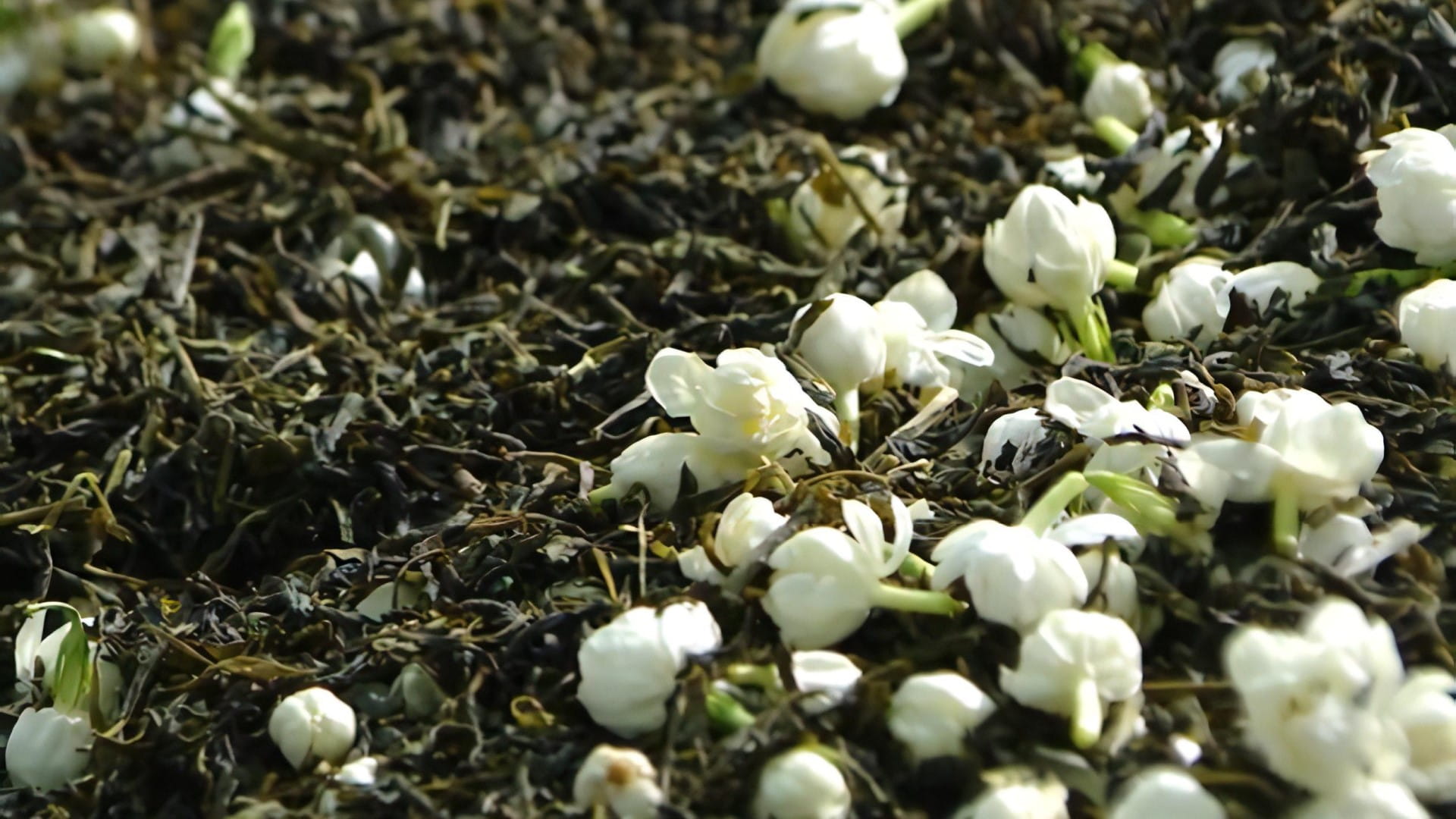
Jasmine tea production is thoughtful and skilled, but relatively streamlined. Freshly picked jasmine blossoms — harvested in the morning before the heat of day sets in — are spread out to release their fragrance naturally. Green tea leaves are then combined with the flowers and left to infuse for 24 hours. The mixture is turned every three hours to ensure even absorption and prevent moisture from building up and degrading the tea. After the flowers are separated from the leaves (with a small amount of dried jasmine retained in the finished product for aesthetic appeal), the tea is dried at 80°C for 20 minutes. This process is repeated four times over approximately ten days. The result: evenly rolled, small tea leaves, lightly scented with a clear, pleasing fragrance.
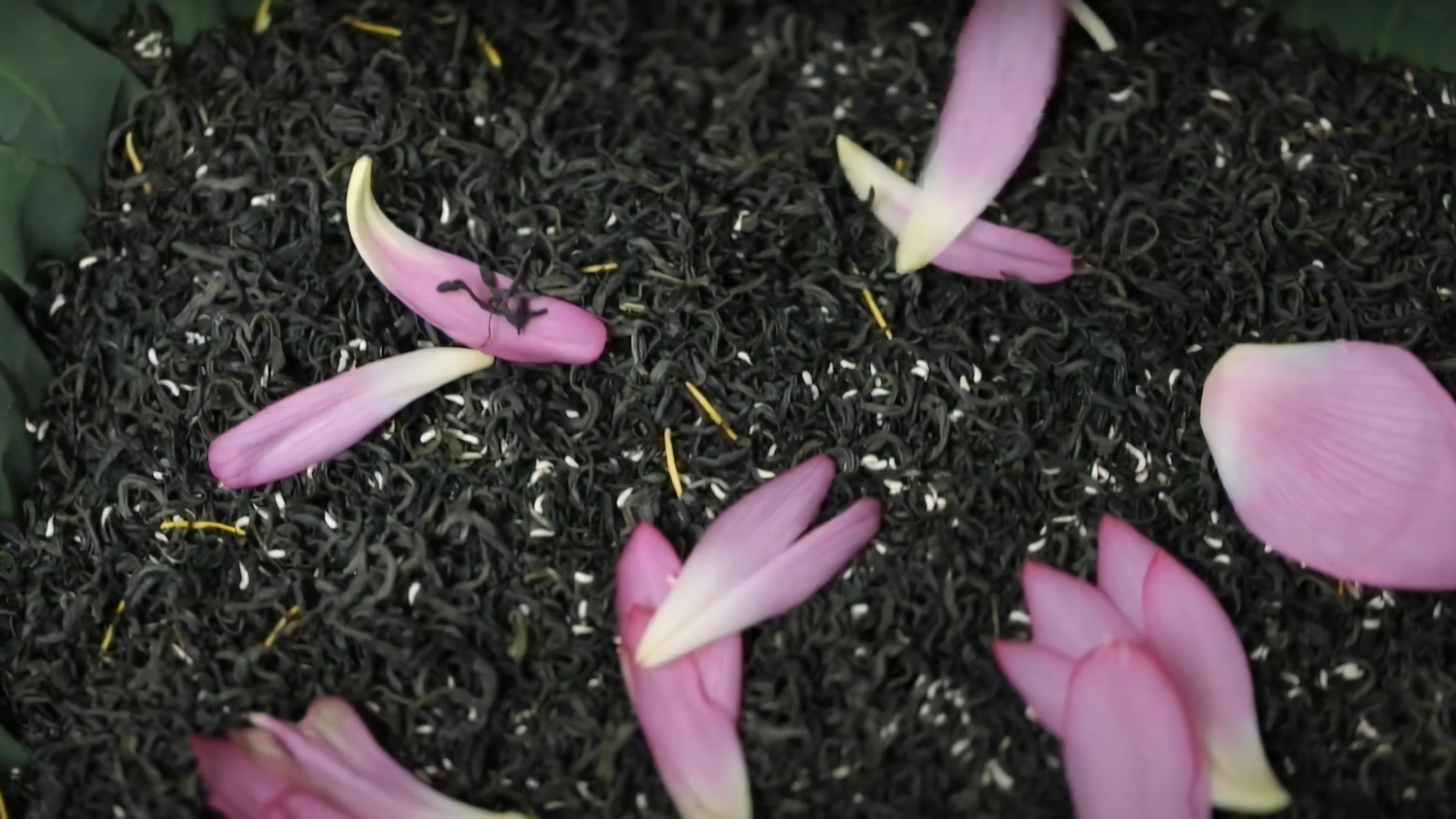
West Lake lotus tea is an entirely different kind of endeavor — less a manufacturing process than an act of devotion passed down through generations. It begins in the predawn darkness, with artisans gathering fresh Bách Diệp lotus blossoms from West Lake by hand. The anthers — gạo sen, literally “lotus rice,” named for their pale, grain-like appearance — are delicately coaxed from each blossom with practiced fingers. Not a single blossom is processed by machine. The anthers are then hand-layered with premium green tea, and the blend is left to rest for two days. After each round of slow, traditional drying, the entire ritual begins again — and again, and again, for a minimum of seven repetitions, sometimes reaching ten, over the course of more than three weeks.
What sets West Lake lotus tea above all other Vietnamese lotus teas is precisely this: the irreplaceable Bách Diệp blossom, which grows nowhere else with the same fragrance, combined with a standard of artisanship so demanding it has been inscribed into the national cultural heritage of Vietnam.
This is why West Lake lotus tea is rare. It’s not a marketing claim. It’s arithmetic: one kilogram (2.2 lb) of finished tea requires up to 1,500 hand-gathered lotus blossoms, multiple weeks of skilled artisanal labor, and knowledge accumulated and passed down through generations of Hanoi’s tea masters. The recognition of this craft as a National Intangible Cultural Heritage of Vietnam in 2024 is not a surprise to anyone who has witnessed it firsthand.
Cultural Meaning: Everyday Pleasure vs. Living Heritage
Jasmine tea is beloved across many cultures — in Vietnam, US, China, Taiwan, Spain, France, and much of the world — and carries real warmth and meaning. It’s the tea of easy gatherings: afternoons with old friends, quiet mornings before the day begins, shared moments that don’t require ceremony. There is genuine comfort in a cup of jasmine tea, and that familiarity is part of its gift.
Lotus tea, and specifically West Lake lotus tea, carries something different — the weight and beauty of a living cultural tradition.
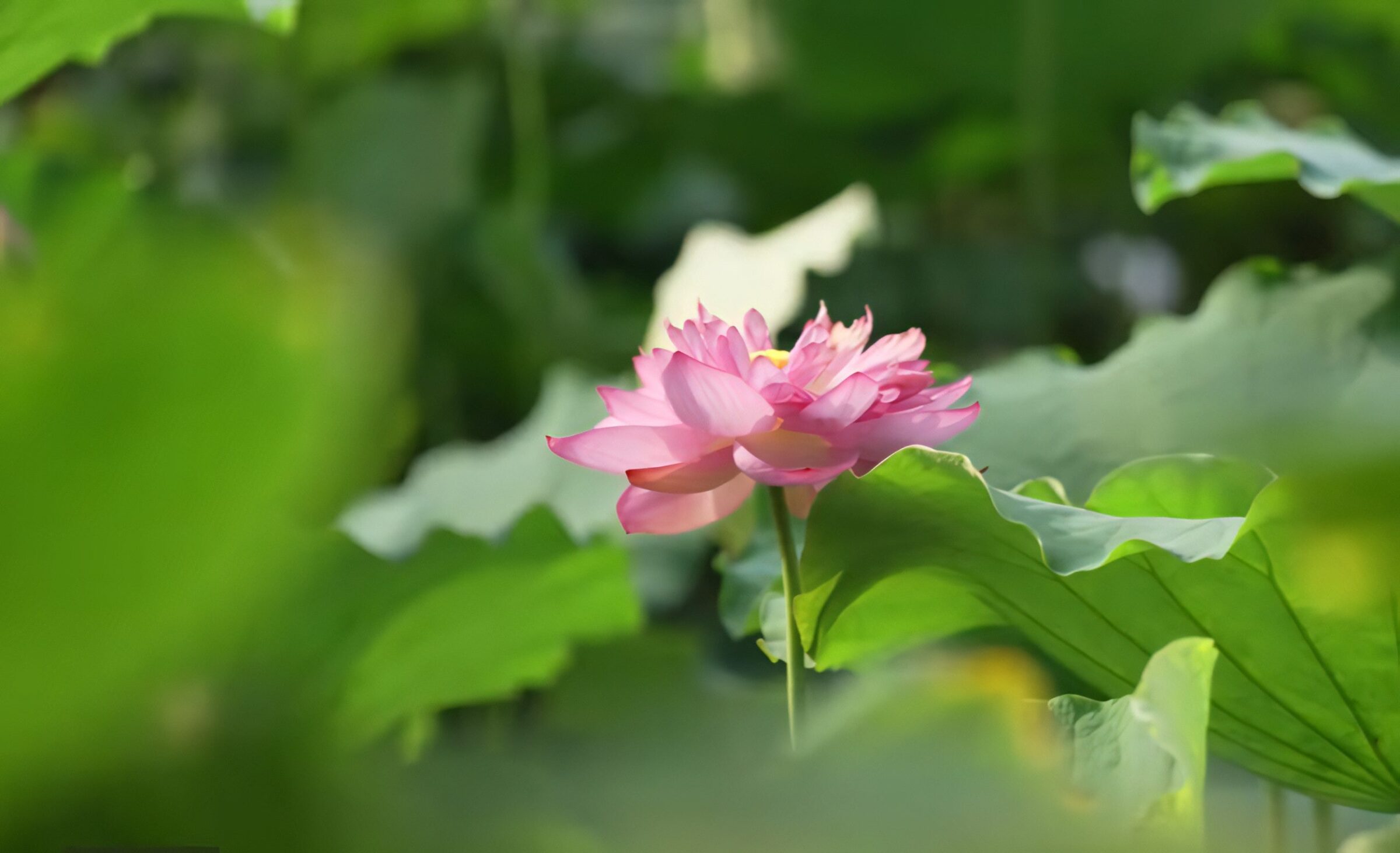
In Vietnamese culture, the lotus is not merely a flower. It is the national flower, a symbol of purity, resilience, and spiritual grace — the bloom that rises clean and radiant from murky waters. The association of lotus tea with these values goes back centuries; it was once served exclusively to royalty, considered too precious and too laborious to be made for ordinary occasions. Even today, a gift of authentic West Lake lotus tea communicates something particular about the giver and the occasion: that the moment is worthy of something exceptional, that the person receiving it is honored.
The artisanship of this tea — gathering stamens from a thousand blossoms in the dark hours before dawn, repeating the scenting ritual across weeks, sifting and drying and tending with patient, knowing hands — has been woven into the identity of Hanoi and its people for generations. West Lake lotus tea is not simply the most prestigious lotus tea in Vietnam; it is the one that all others are measured against.
When Noble Viet Tea brings West Lake lotus tea to tables in the United States and Europe, it is carrying this story across oceans — not as nostalgia, but as a living tradition available to anyone who wants to experience it.
The Cup That’s Right for You
Jasmine tea and West Lake lotus tea are not rivals. They represent different points on the spectrum of floral tea — one accessible and beloved by millions, the other rare, laborious, and extraordinary. Both carry genuine beauty in the cup.
If you’re new to floral teas, or simply want something approachable for daily drinking, jasmine tea is the natural starting point — gentle, universally appealing, and genuinely enjoyable. If you’re a tea lover looking for something deeper — one of the rarest teas in the world — a cup that asks you to slow down and pay attention, then West Lake lotus tea is waiting for you. It’s a tea for mornings that deserve quiet, for guests who are worth honoring, for moments when you want to feel, even briefly, connected to something older and more beautiful than the ordinary world. And if you’re drawn to both, there is no reason to choose: the best tea drinkers keep both, reaching for jasmine on ordinary days and lotus tea for the moments that call for something more.
What makes West Lake lotus tea singular — and what elevates it above every other tea Vietnam produces — is everything it demands before it reaches you. All of that devotion is present in the cup — in the depth of the fragrance, in the lingering sweetness at the back of the throat, in the still, pale-gold liquor that seems almost too serene to disturb.
Noble Viet Tea exists to make that rarity accessible — to bring authentic West Lake lotus tea, handcrafted without artificial additives or shortcuts, to tea lovers everywhere who are ready to discover what Vietnamese tea culture has quietly perfected over centuries.
Start with jasmine. Fall in love with lotus. There’s a whole world in the cup.