
Tea is the most widely consumed beverage on earth after water. For most people, it is an everyday ritual — a kettle boiling, a bag steeping, a quiet morning beginning. Yet somewhere between those ordinary cups and the misty cliffs of China’s Wuyi Mountains lies another world entirely: a realm where a single kilogram of tea leaves can cost as much as a luxury car, where harvests are counted in grams rather than tons, and where every cup carries the weight of centuries.
The story of tea begins more than 5,000 years ago in ancient China, when legend tells us that Emperor Shen Nong discovered it by accident — a few leaves drifting from a nearby tree into his pot of boiling water. What followed was one of history’s most far-reaching beverage discoveries. Tea spread across Asia, reached Japan by the 8th century, arrived in Europe through Portuguese and Dutch traders in the 16th century, and eventually became so central to British culture that an entire company — the East India Company — was built partly around its trade.
But not all teas are created equal. Some are so rare, so painstakingly produced, and so deeply rooted in history that their prices defy imagination. Others carry stories that are almost impossible to separate from the liquid in your cup. This list brings together seven of the most expensive teas in the world, arranged from the least to the most costly — including one extraordinary Vietnamese tea that most Western drinkers have yet to discover.
1. Gyokuro (Pearl Dew)
~$500 per pound (~$1,100/kg)
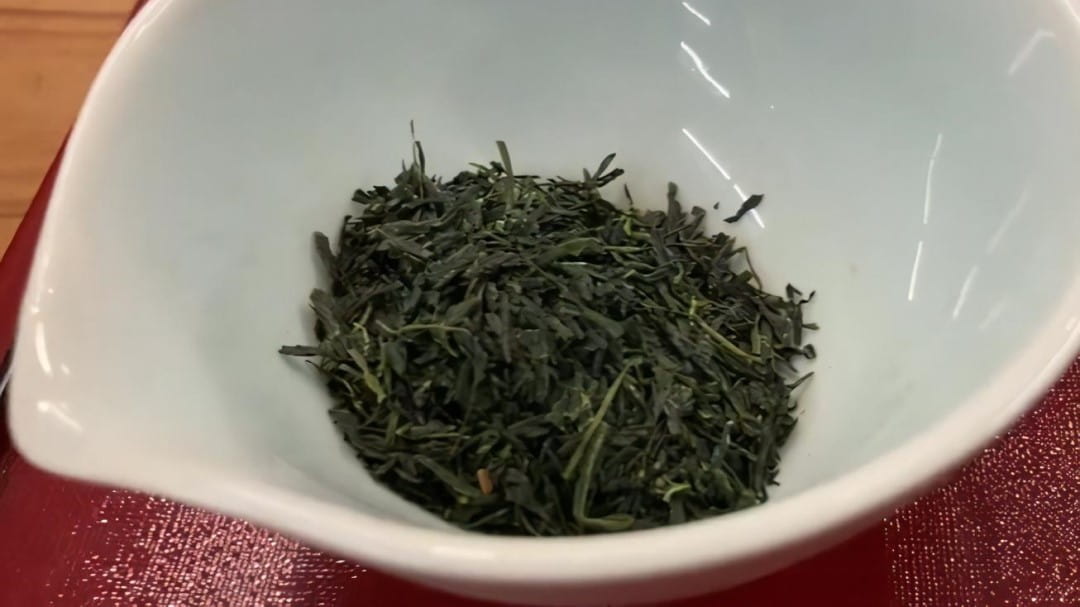
Gyokuro, whose name translates to “pearl dew” or “jade dew” in Japanese, is widely regarded as the finest green tea produced in Japan. Its reputation is not just historical — it was celebrated at the Japanese Imperial Court — but its price is earned through an extraordinary and counterintuitive farming technique: deliberate deprivation of sunlight.
Cultivated in the Uji district, Gyokuro plants are covered with straw mats and shaded from direct sunlight for roughly three to four weeks before the harvest. Blocking the sun forces the plant to work differently. It retains more of the amino acid L-theanine, which is responsible for the tea’s deep, rich umami flavor — a savory sweetness that surprises many first-time drinkers who expect something light and grassy. The shading also reduces the overall yield significantly, which keeps supply limited and prices elevated.
First documented by Kahei Yamamoto VI in 1835, Gyokuro has centuries of refinement behind it. After harvesting, the leaves are steamed using traditional Japanese methods and carefully rolled to lock in their distinctive flavor. Top-grade batches can reach approximately $500 per pound (about $1,100 per kilogram), yet many enthusiasts who can access it drink it regularly rather than treating it as an untouchable luxury. It is a tea that rewards patience — in growing, in preparation, and in savoring.
2. West Lake Lotus Tea (Trà Sen Tây Hồ)
$1,000–$1,500 per kilogram (~$450–$680/lb)

Among all the teas on this list, none tells a more intimate story about place, patience, and devotion than west lake lotus tea from Hanoi, Vietnam. It is not the most expensive tea in the world. But for those who understand what goes into every gram of it, the price feels almost modest.
The lotus flower holds a sacred place in Vietnamese culture — a symbol of purity rising from muddy water, of beauty persisting through difficult conditions. In Buddhist tradition, it represents enlightenment. In Vietnamese daily life, it appears in poetry, in temples, in art, and in tea. And nowhere has that relationship between lotus and tea been cultivated more carefully, or for longer, than on the shores of Hanoi’s West Lake.
The making of West Lake Lotus Tea is less a manufacturing process than it is a ritual. Skilled artisans rise before sunrise to visit the lotus blossoms while they are still closed, tucking small portions of green tea leaves — traditionally Gyokuro or a similarly high-grade green tea — inside the petals, which then gently seal around them as morning mist rises off the lake. The flowers absorb the tea overnight. The next morning, the leaves are removed and dried. This process is often repeated multiple times, sometimes up to seven passes, before the tea is considered ready. The result is a flavor that is almost impossible to describe: floral without being perfumed, delicate without being thin, and with a lingering sweetness that seems to stay on the palate long after the cup is empty.
To understand the full history and mythology woven into this remarkable tea, Lotus Tea Legend — Part I: The Sacred History of the West Lake Lotus offers a deep and beautifully researched account of how this tradition came to be. The lotus has been honored at West Lake for generations, and the tea that carries its essence is inseparable from that story.
At Noble Viet Tea, West Lake Lotus Tea is one of the most treasured offerings — a tea that connects drinkers around the world, particularly customers in the United States, to one of Vietnam’s most enduring cultural traditions. With a price range of $1,000 to $1,500 per kilogram (roughly $450 to $680 per pound), it stands comfortably among the world’s most expensive teas. Every gram justifies its place there.
3. Tie Guan Yin (Iron Goddess of Mercy)
Up to $3,000 per kilogram (~$1,360/lb)
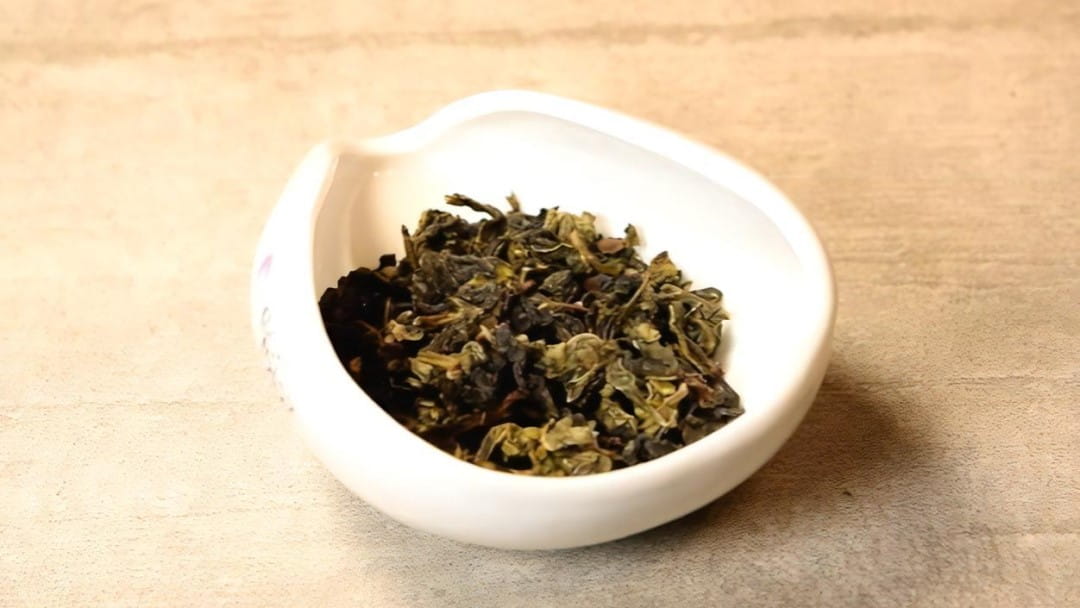
Named after Guanyin, the Buddhist deity of compassion and mercy, Tie Guan Yin is a premium oolong tea that has been produced in Anxi County, Fujian Province, China, since at least the 19th century. The name — Iron Goddess of Mercy — sounds formidable, but the tea itself is anything but. It is celebrated for its floral aroma, sweet finish, and a creamy, lingering quality that makes it one of the most highly regarded oolongs in the world.
What drives the cost of the finest Tie Guan Yin is the production method. The most exclusive batches are hand-processed through a series of labor-intensive steps — withering, rolling, oxidizing, and roasting — each requiring precise timing and skill developed over years of practice. The terroir of Anxi County plays an equally crucial role: the unique climate and soil composition of that region produce a leaf that simply cannot be replicated elsewhere. The best varieties can reach up to $3,000 per kilogram (roughly $1,360 per pound), a price that reflects both the geography and the human expertise embedded in every step of production.
4. Jun Shan Yin Zhen (Yellow Needle)
~$3,000 per kilogram (~$1,360/lb)
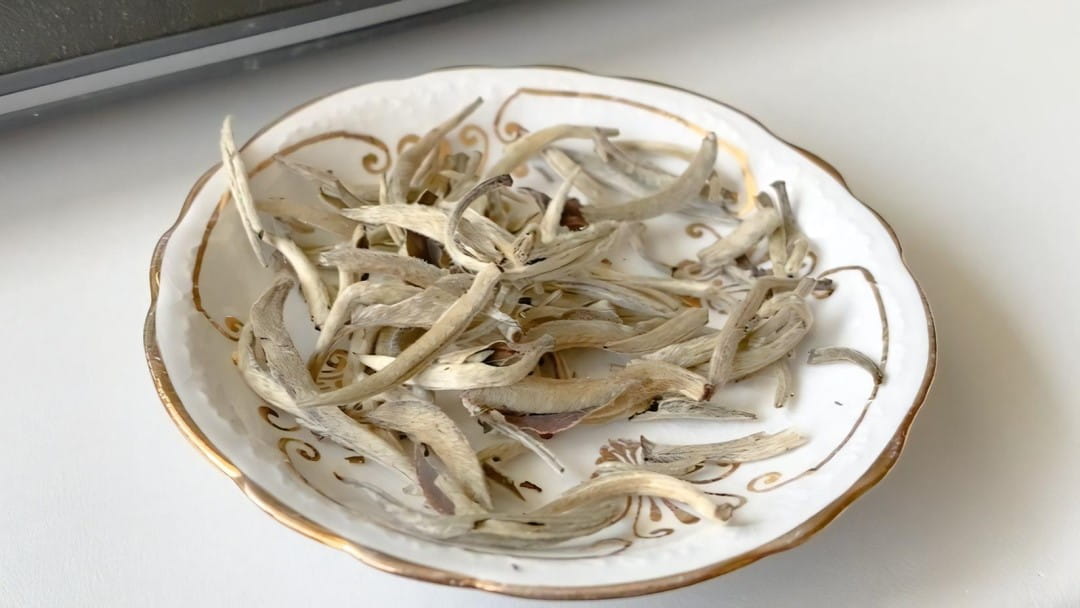
Jun Shan Yin Zhen — Yellow Needle — comes from a tiny island in Dongting Lake in Hunan Province, China, and carries the kind of imperial pedigree that makes its price feel almost inevitable. This is a yellow tea, one of the rarest categories in the world of Chinese tea, and its association with royal courts stretches back centuries.
What makes it so expensive is a combination of extreme scarcity and painstaking craftsmanship. The island’s small size limits how much tea can ever be produced. The processing is careful and slow, involving multiple rounds of heating and resting that gradually yellow the leaves — a method that requires patience and deep technical knowledge passed from one generation to the next. The result is a tea with a mellow, slightly sweet flavor and a silky quality that has made it a prized possession among collectors and connoisseurs. At roughly $3,000 per kilogram (about $1,360 per pound), it is one of the rarest teas in China’s already extraordinary portfolio.
5. Yellow Gold Tea Buds
~$3,000 per kilogram (~$1,360/lb)
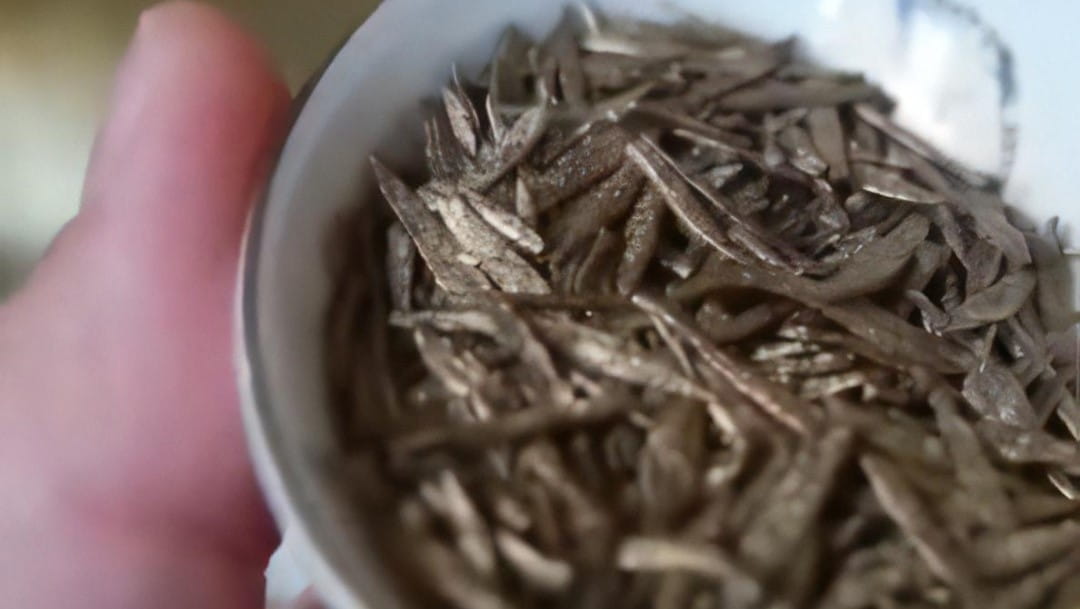
Not every expensive tea earns its price through centuries of history. Some earn it through spectacle — and Yellow Gold Tea Buds from Singapore is perhaps the most theatrical tea in the world. Harvested only once a year using gold-colored shears, the delicate buds are then sun-dried and painstakingly adorned with edible 24-karat gold flakes. The result is a tea that looks as if it belongs in a jewelry case as much as in a teapot.
There is history behind the gold, too. Yellow Gold Tea Buds is said to have been historically associated with Chinese emperors, who prized it as a symbol of wealth and refinement. The golden hue of the brewed tea reinforces that regal identity. Despite its theatrical presentation, the tea itself is described as light and delicate in the cup — a contrast to its extravagant appearance. At around $3,000 per kilogram (roughly $1,360 per pound), much of the price reflects the craftsmanship and the rarity of a harvest that happens just once a year, as well as the appeal of a gift designed for high-end collectors who want something unlike anything else on the market.
6. Vintage Narcissus Wuyi Oolong (Shui Xian)
~$6,500 per kilogram (~$2,950/lb)
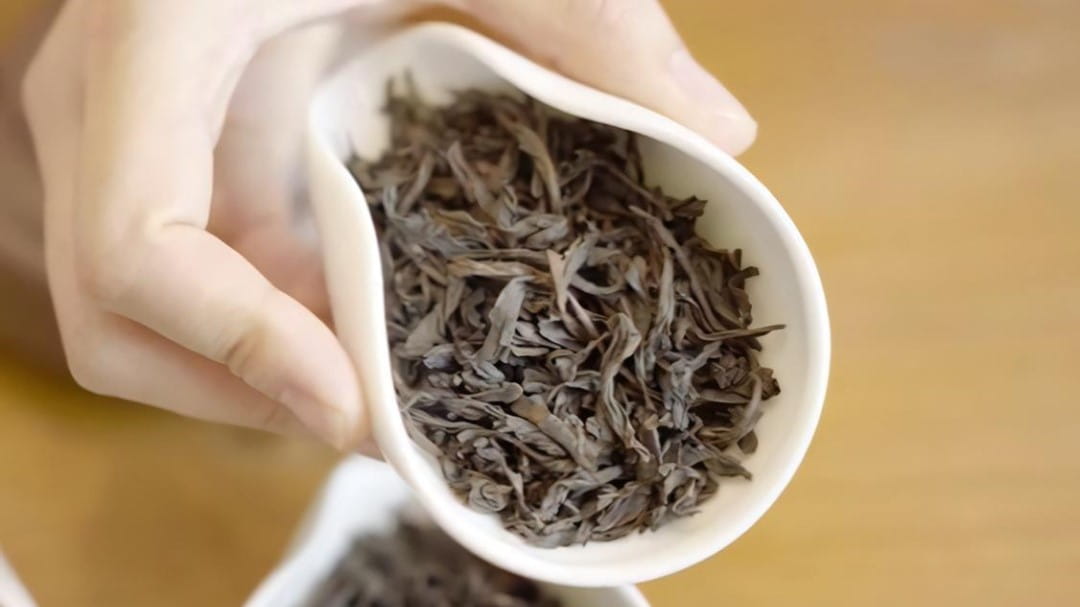
Named after the figure from Greek mythology renowned for his striking beauty, Vintage Narcissus — or Shui Xian — is an oolong tea grown in the Wuyi Mountains of Fujian Province, China. Like its namesake, this tea seems to improve with contemplation. It is aged for years, sometimes for more than five decades, before it is sold — and that aging is the source of both its extraordinary depth and its extraordinary price.
The flavor profile of a well-aged Vintage Narcissus is remarkably complex: chocolaty, woodsy, and floral at once, with subtle fruity and nutty notes that emerge slowly as the tea cools in the cup. The comparison to fine wine is apt — just as a great Burgundy changes over years in a cellar, Vintage Narcissus evolves in ways that cannot be rushed or imitated. Every two years, the tea goes through a careful firing process that removes moisture and further concentrates its flavor, making each batch genuinely unique.
Provenance matters enormously here. Collectors who pay around $6,500 per kilogram (roughly $2,950 per pound) are not just buying tea — they are buying documentation: clear records of origin, storage history, and the specific firing cycles that shaped what is in the tin. It is a connoisseur’s tea in the truest sense of the word.
7. Da Hong Pao (Big Red Robe)
Up to $1.2 million per kilogram (~$545,000/lb)
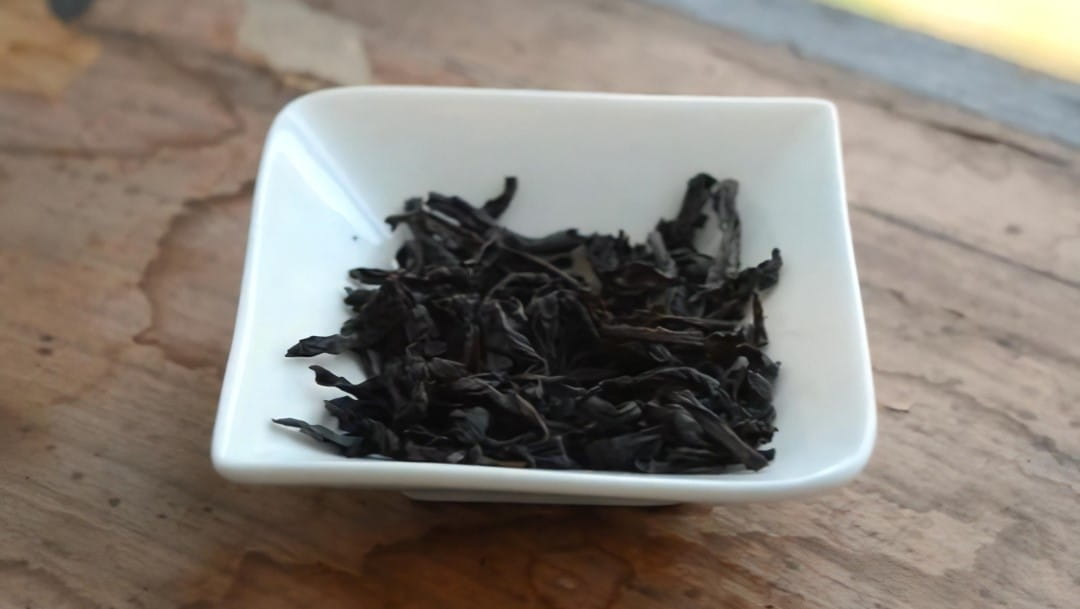
There is no other tea in the world quite like Da Hong Pao. Priced at up to $1.2 million per kilogram — or approximately $2,400 per cup — it occupies a category entirely its own. And yet the price is almost secondary to the story.
Da Hong Pao is a dark oolong that originates from the Wuyi Mountains of Fujian Province in China, where the rocky cliff soil and perpetual mist create what tea masters call “yan yun” — rock rhyme — a mineral quality that runs through every sip. The mother bushes of this tea, believed to be more than 350 years old, grow on the cliffs themselves and are under state protection. There are only six of these original trees left in existence. Harvests from them are so small as to be nearly symbolic, which is why authentic Da Hong Pao from the original bushes is effectively priceless — auction prices have reached the staggering figure of $1.2 million per kilogram.
The legend behind the name is as vivid as the tea itself. A Ming Dynasty emperor, so the story goes, sent his red robes to drape over certain tea bushes in gratitude — they had produced a tea that healed his ailing mother. Da Hong Pao: “Big Red Robe.” The image of imperial robes draped over mountain cliffs is hard to forget, and it has followed this tea through centuries of reverence. Whether you encounter it at an auction or simply encounter the story, Da Hong Pao makes clear that tea, at its most extraordinary, is not just a drink. It is history you can hold in your hands.
What Makes a Tea Worth Its Price?
Reading through this list, a few themes emerge clearly. The most expensive teas in the world share certain characteristics: they come from renowned growing regions where climate, altitude, and soil create conditions that cannot be replicated; they are harvested by hand, often by skilled workers following traditions passed across generations; and they exist in quantities so small that demand will always outpace supply.
Terroir, as with fine wine, is everything. The mineral taste of Da Hong Pao’s rocky cliffs, the umami depth of Gyokuro grown in Uji’s shaded fields, the floral delicacy of West Lake Lotus Tea scented on the water — each of these flavors is inseparable from the place and the process that created it.
What is perhaps most striking about this list is its range. At one end, a tea priced at over a million dollars per kilogram that almost no one will ever drink from its original source. At the other, a Vietnamese lotus tea that brings centuries of cultural tradition into a cup that is genuinely accessible to anyone willing to seek it out. Tea, as one observer put it, ranges from simple everyday pleasures to unimaginable luxuries — and both ends of that range are worth exploring.
For those curious about where to begin, Noble Viet Tea specializes in bringing the finest West Lake Lotus Tea to customers around the world, with a particular focus on the United States market. It is a tea with a story, a flavor, and a cultural depth that is unlike anything else you will find in a tin or a teacup. The lotus blooms briefly. The tea it leaves behind lasts much longer.