
If you’ve ever browsed a Vietnamese tea shop — online or in person — you’ve likely come across several products wearing the label “lotus tea.” There’s lotus leaf tea, lotus plumule tea, lotus root tea, lotus seed tea, lotus flower tea, and then, standing in a category all its own, West Lake Lotus Tea. To the uninitiated, these names can blur together into one fragrant, vaguely floral category. But once you understand what each one truly is, the differences become not just clear — they become fascinating.
This guide is here to untangle that confusion. By the time you reach the last paragraph, you’ll know exactly what distinguishes a cup of authentic West Lake Lotus Tea from the lotus herbal teas that share its name — and you’ll be equipped to choose the right one for exactly the experience you’re seeking.
The lotus plant offers its entire self — root, leaf, seed, heart, and flower — each part yielding a brew with a unique character, purpose, and story.
The Core Distinction: Tea vs. Herbal Brew
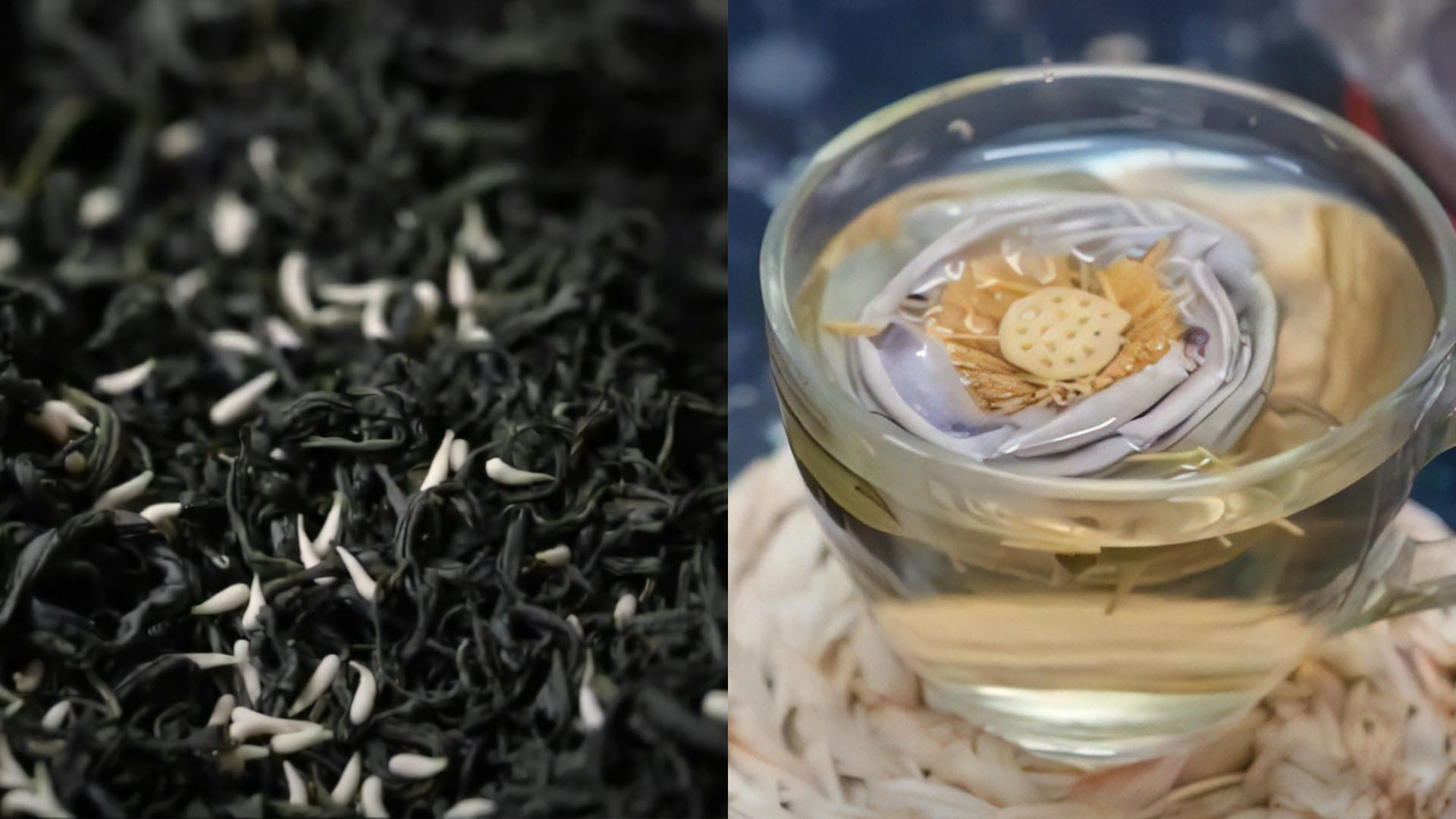
Before diving into the individual lotus-based drinks, it helps to understand a fundamental distinction that applies to every beverage in this guide: the difference between true tea and herbal tea.
True tea — whether green, black, white, or oolong — is made from the leaves of the Camellia sinensis plant. It naturally contains caffeine and a range of compounds including polyphenols, catechins, and the amino acid L-theanine. An herbal tea, on the other hand, is an infusion made from any other plant material — roots, leaves, seeds, bark, flowers — and typically contains no tea leaves and no caffeine.
This distinction is the single most important thing to understand about the lotus drinks described in this guide. West Lake Lotus Tea is a true green tea, scented with the natural fragrance of fresh lotus flowers. The others — lotus leaf tea, lotus plumule tea, lotus seed tea, lotus root tea, and lotus flower tea — are herbal infusions made from individual parts of the lotus plant itself, with no tea leaves involved whatsoever.
West Lake Lotus Tea = premium Vietnamese green tea (loose leaf) + natural lotus fragrance. It contains caffeine and belongs to the world of fine tea craftsmanship.
Lotus herbal teas (lotus leaf, lotus plumule, lotus seed, lotus root, lotus flower) = infusions made purely from lotus plant parts. They contain no tea leaves and no caffeine, and belong to the world of herbal wellness drinks.
West Lake Lotus Tea: A Portrait of Vietnamese Tea Artistry
West Lake Lotus Tea is not simply a tea that tastes like lotus. It is the result of an exacting, labor-intensive craft that has been practiced in Vietnam for generations — a process in which the natural perfume of fresh lotus blossoms is slowly and deliberately transferred into fine green tea leaves.
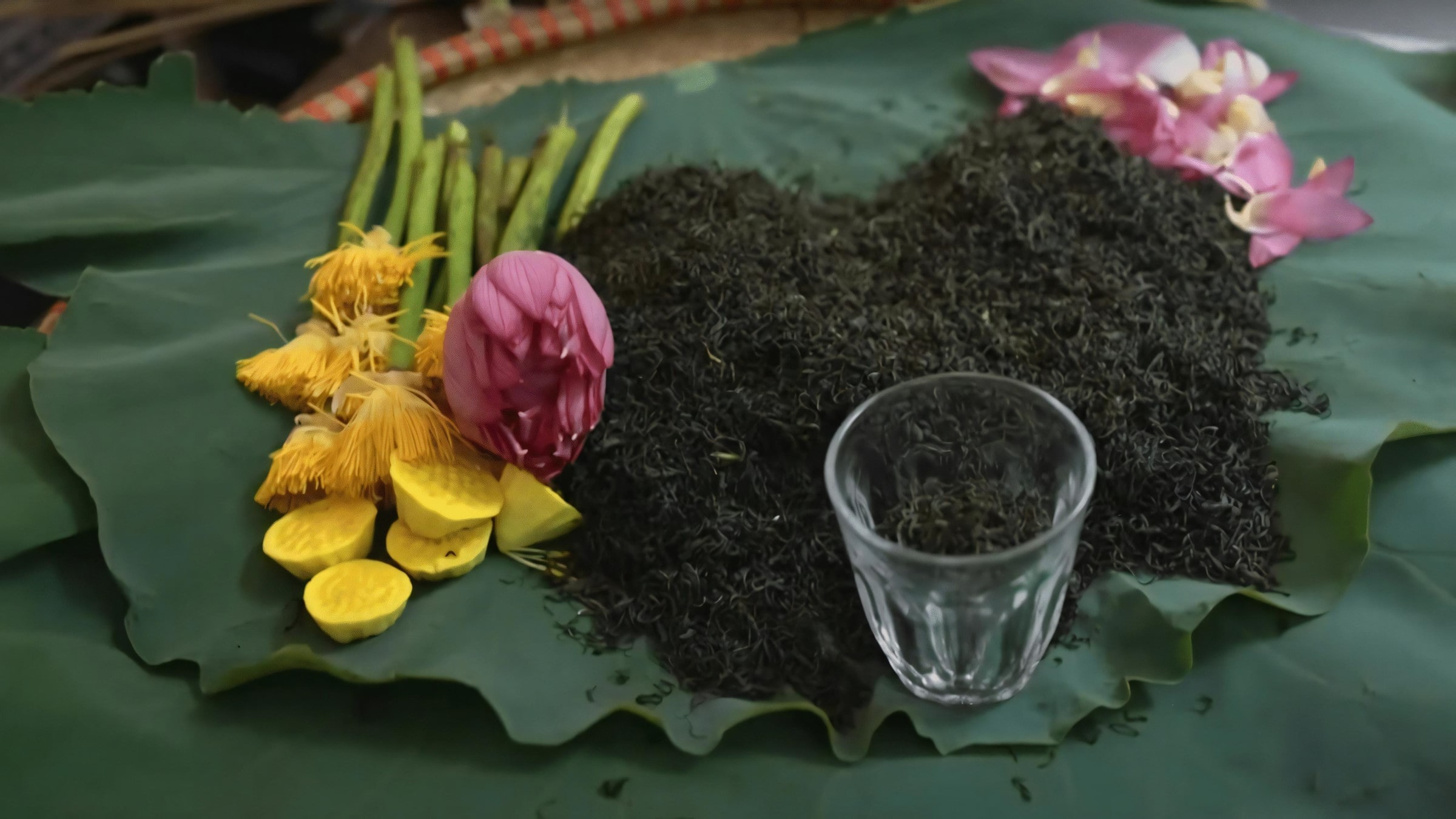
The base tea is typically a high-grade green tea from the Tân Cương region of Thái Nguyên province — widely regarded as Vietnam’s finest tea-growing area. These tea buds are prized for their tight, plump structure, their clean grassy-sweet aroma, and their characteristic flavor: a gentle astringency that gives way to a deep, lingering sweetness. Crucially, the leaves hold their shape and integrity through multiple rounds of scenting without crumbling — an essential quality for what comes next.
The lotus used is the bách diệp variety — the hundred-petal lotus native to Tây Hồ (West Lake) in Hanoi, a species celebrated for its pale pink petals and extraordinarily refined fragrance. These blossoms are harvested at the very first light of dawn, when the dew is still settled on the petals and the aromatic compounds in the flower are at their most concentrated and vivid.
Historically, West Lake Lotus Tea was reserved for the imperial court. Ordinary people did not have access to it. For a deeper look at the origins and cultural meaning of this tea, see Lotus Tea Legend — The Sacred History of the West Lake Lotus.
The Scenting Process
There are two primary methods used to create West Lake Lotus Tea, and both are remarkable in their patience and attention to detail.
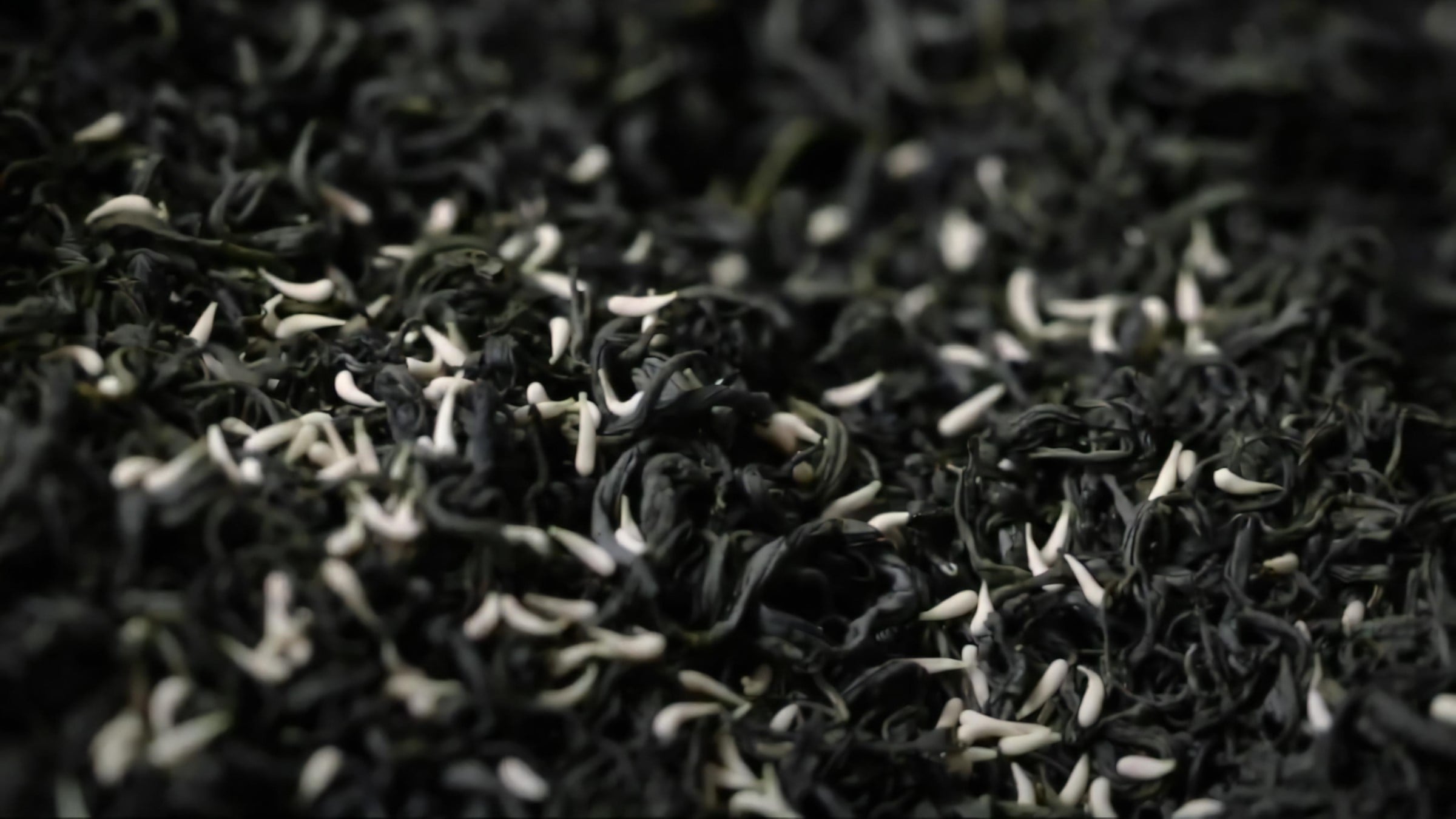
The first method is dry scenting — using the tiny white anthers hidden inside the lotus blossom. These anthers (called gạo sen, literally “lotus rice”) are so small and delicate that they must be separated by hand, one blossom at a time. On average, it takes roughly 1,500 lotus flowers to produce just one kilogram (2.2 lb) of finished scented tea. The anthers are layered alternately with the green tea leaves — sealed in a vessel, and left to rest for 24 to 48 hours. During this time, the tea absorbs the natural essential oils of the lotus. After each resting period, the tea is gently fired or dried to “lock in” the fragrance before the process is repeated seven times, until the scent has permeated every fiber of every leaf. Done correctly, the natural lotus fragrance can remain preserved for two to three years.
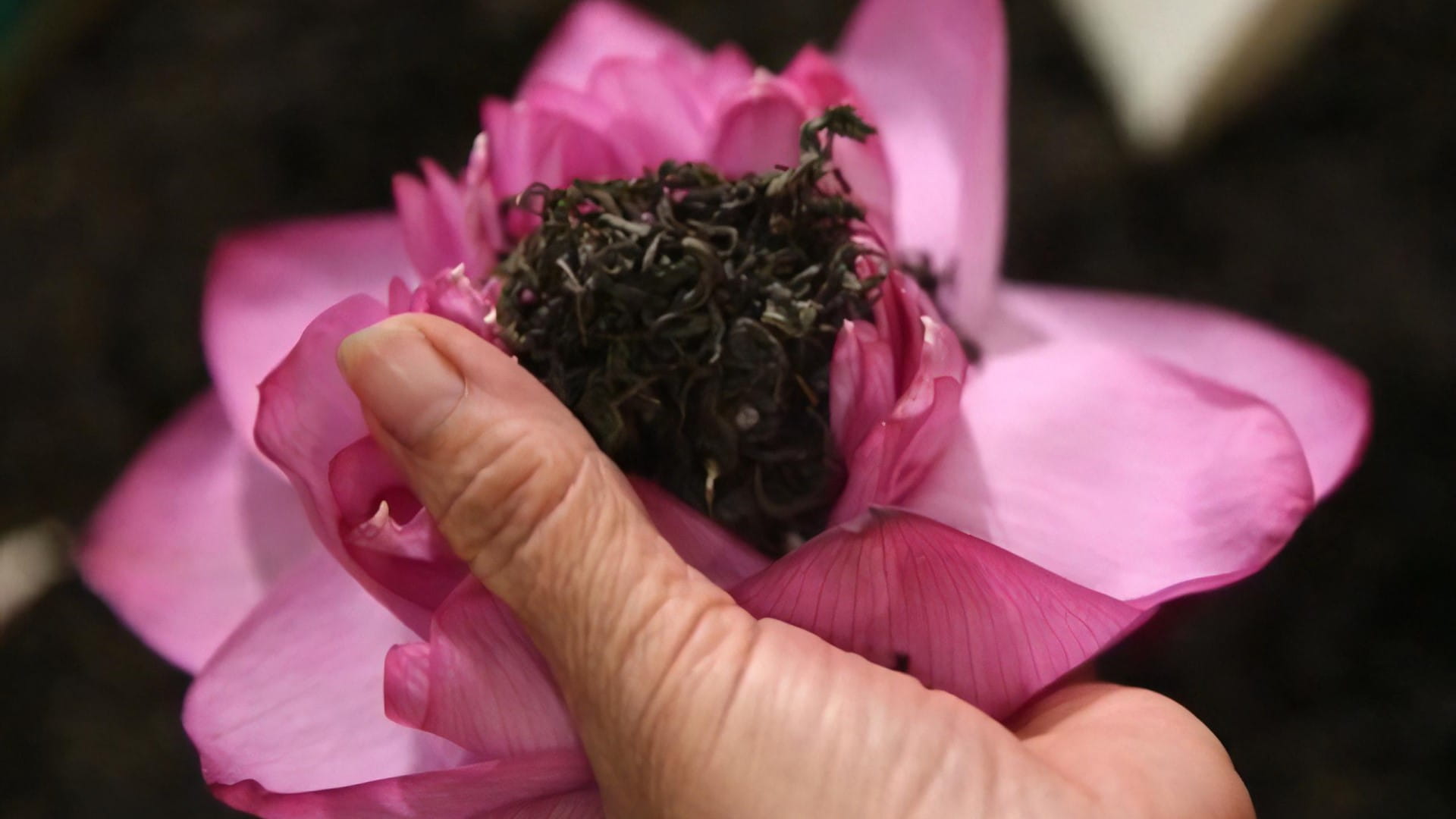
The second method is fresh scenting — in which the whole, freshly picked lotus blossoms themselves become the vessel. The tea leaves are gently placed directly inside an open blossom, the petals are folded back around the tea, and the entire flower is wrapped in a lotus leaf and left to rest overnight. The result is a tea that has quite literally breathed inside a living flower.
What both methods share is an absolute refusal to use artificial flavoring. The lotus fragrance in authentic West Lake Lotus Tea comes from nowhere but the flower itself — no extracts, no additives, no shortcuts. This is what makes the resulting cup so distinctive: the lotus note is translucent and deeply natural. It does not overpower the green tea; it floats above it, softening the astringency, extending the sweet finish, and adding a dimension of freshness that no synthetic fragrance can replicate.
When the scenting is done right, lotus ‘holds’ the tea without overpowering it — the fragrance is cool, clear, and utterly transparent.
What It Tastes Like
A well-brewed cup of West Lake Lotus Tea greets you with a scent that is ethereal rather than perfumed — clean, faintly sweet, with the same quality as morning air near a pond in bloom. The flavor is gentle and smooth: the inherent grassy sweetness of Thái Nguyên green tea, slightly softened at the edges, with the lotus adding what might best be described as a cool, fresh clarity. The astringency is mild and refined, and the finish is long and sweet. It is not a tea you gulp. It is a tea you slow down for.
Because it is built on a green tea base, West Lake Lotus Tea contains caffeine — enough to offer the gentle alertness that green tea is known for, without the sharpness of coffee. The L-theanine in the green tea also promotes a calm, focused mental state that makes this tea particularly well-suited to unhurried conversation, reading, or contemplative moments.
The Lotus Herbal Teas: Gifts from Every Part of the Plant
The lotus is a remarkably generous plant. Every part of it — root, leaf, seed, the tiny green embryo at the heart of the seed, and the blossom itself — has been used in Vietnamese and broader Asian traditions as both food and medicine. Each of these parts, when steeped in hot water, produces a drink with its own character, its own health associations, and its own appropriate place in a day. None of them contain tea leaves. None contain caffeine.
Understanding these drinks individually — rather than treating them as a single undifferentiated category — is the key to both appreciating them fully and choosing the right one.
Herbal — No Caffeine
1. Lotus Flower Tea (e.g., Blue Lotus Tea)
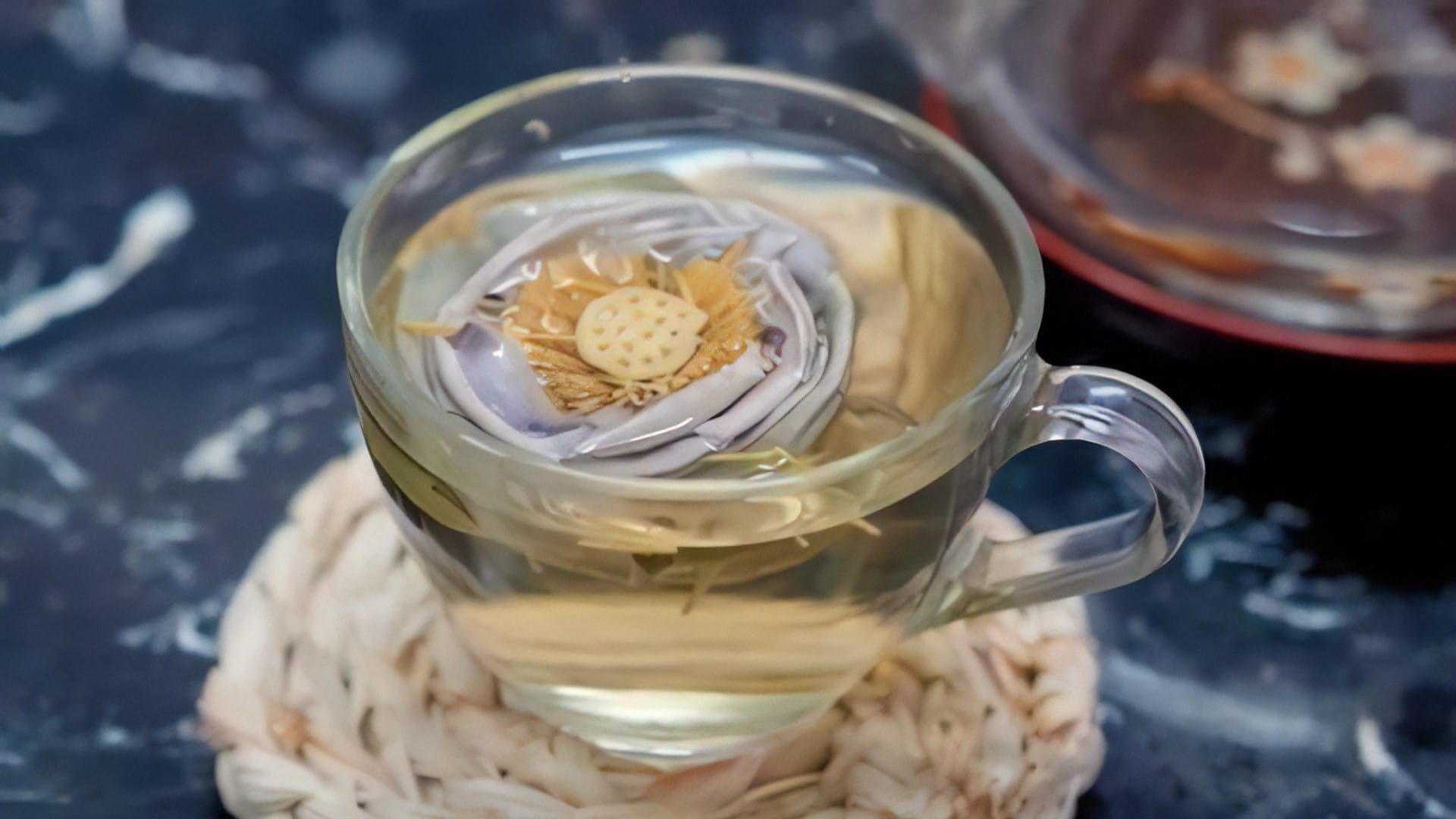
Lotus flower tea is an infusion made directly from lotus blossoms — either fresh or dried — without any tea leaves involved. It produces a drink with a delicate, lightly sweet flavor and a gentle floral aroma that closely reflects the natural character of the blossom itself. Across Asia, it has long been enjoyed as a simple, plant-based infusion appreciated for its fragrance and clarity. In a single 300ml serving, lotus flower tea contains small amounts of naturally occurring nutrients such as vitamin C, minerals, and plant compounds. A blue variety of lotus flower tea — historically noted in ancient Egypt and parts of Asia — is known for its distinctive color and unique botanical profile, though it is subject to legal restrictions in several countries. For daily enjoyment, lotus flower tea is typically prepared from dried blossoms and consumed in moderation.
2. Lotus Plumule Tea (Lotus Heart )
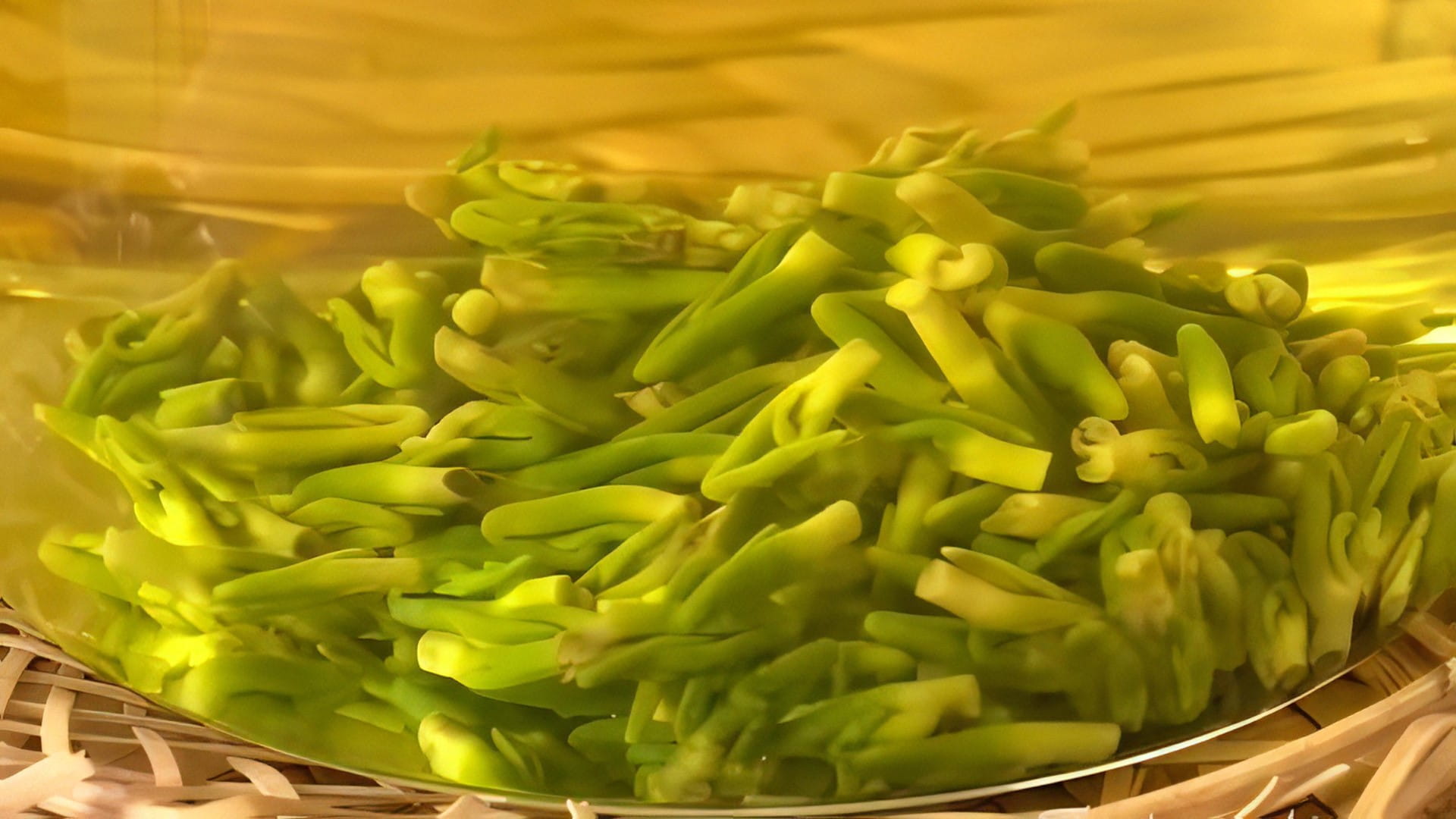
This is one of the most distinctive of all lotus-based herbal infusions, and it is also the one most frequently confused with West Lake Lotus Tea — particularly among those new to Vietnamese tea culture. The lotus plumule is the tiny green embryo at the very center of a mature lotus seed. It is removed by hand, dried, and steeped in boiling water to produce a drink that is notably bitter, distinctly cooling in character, and highly concentrated in flavor. The bitterness is the first thing you notice: assertive, slightly astringent, and not at all floral. This is not a tea typically chosen for casual enjoyment in the way one might approach a fragrant lotus-scented green tea, but rather for its bold and unmistakable profile. Due to its intensity, it is generally consumed in small amounts.
3. Lotus Leaf Tea
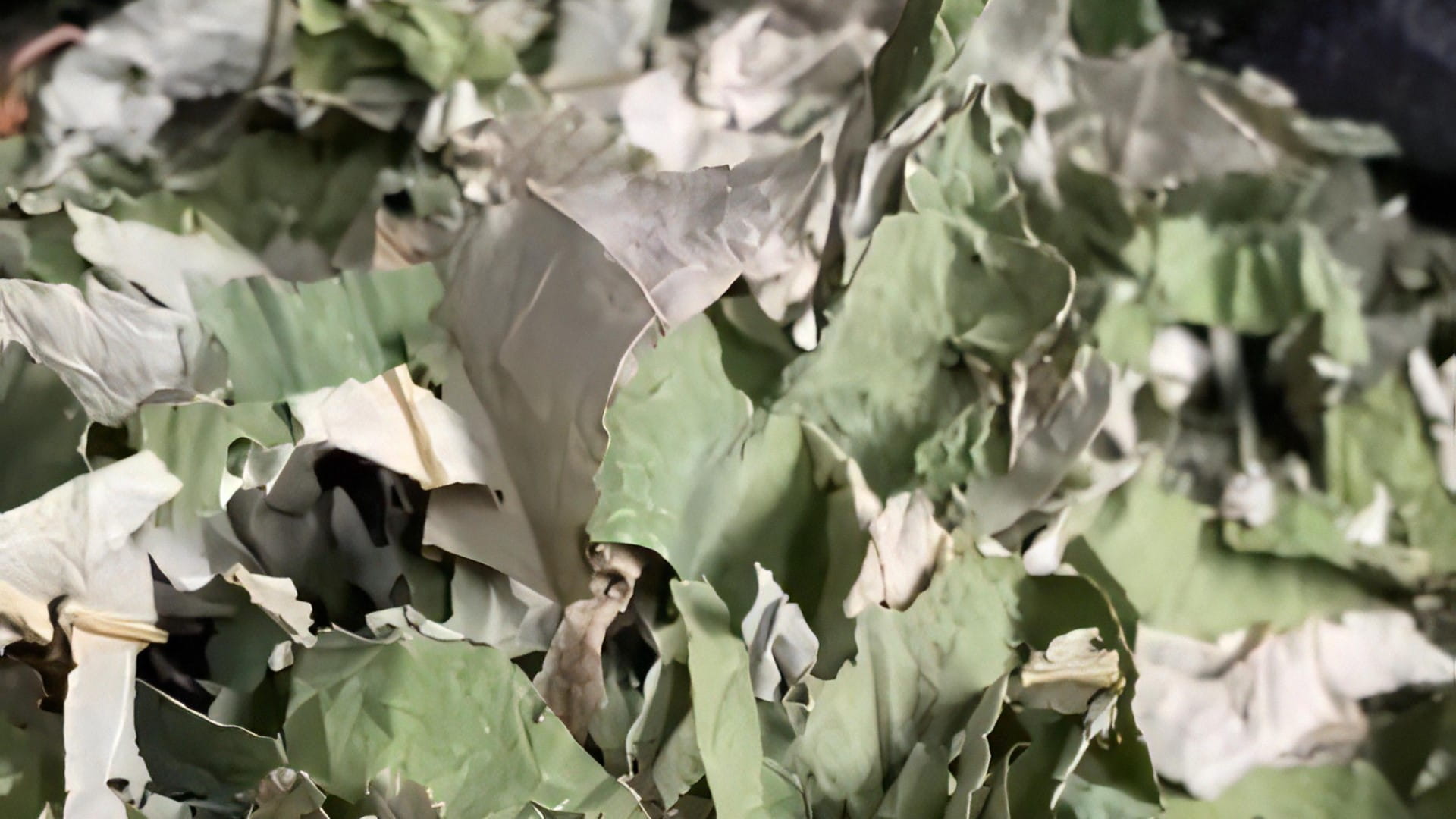
Lotus leaves are large, round, and famously water-repellent — the same leaves often used to wrap sticky rice or fragrant rice dishes in Vietnamese cuisine. When dried, they can be brewed into a tea with a mildly bitter, lightly earthy flavor and a soft, natural sweetness on the finish. Lotus leaf tea, sometimes referred to as Folium Nelumbinis, contains a range of naturally occurring plant compounds, including flavonoids, alkaloids, and aromatic elements that contribute to its characteristic taste and aroma. It is typically brewed by steeping dried leaf pieces in hot water at around 85°C for about 10 minutes, and is widely available in both loose-leaf and teabag form.
4. Lotus Seed Tea
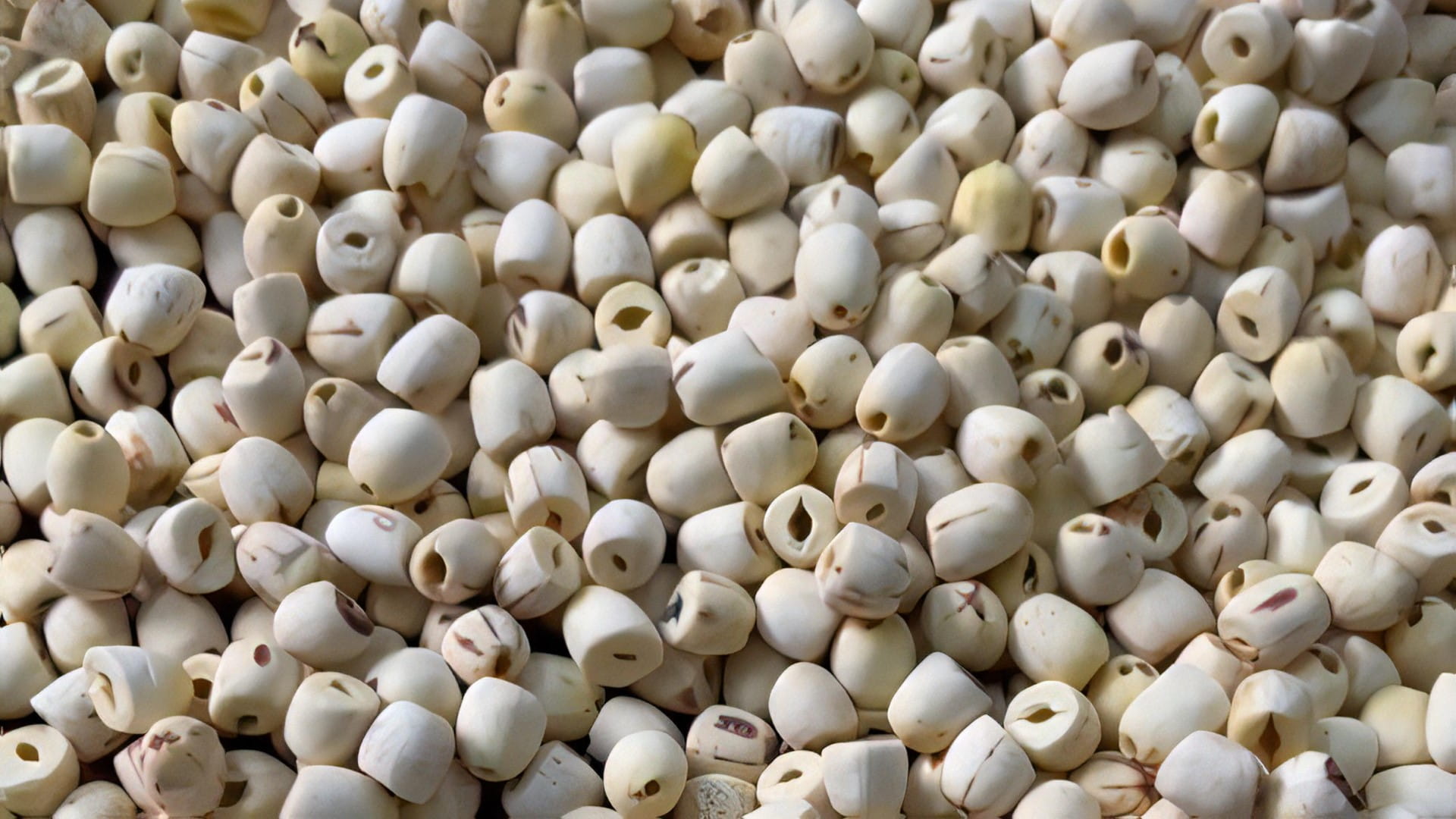
Lotus seeds — commonly used in Vietnamese cooking in everything from sweet soups to traditional pastries — can also be prepared as a gentle herbal infusion. Unlike lotus plumule tea, which uses the inner embryo, lotus seed tea is made from the whole seed itself (with the plumule usually removed). The resulting drink is mild, smooth, and naturally slightly sweet, without bitterness or astringency. Its approachable flavor profile makes it a popular choice for those exploring herbal teas for the first time. Lotus seeds contain naturally occurring nutrients such as fiber, protein, and minerals, which are present in varying degrees depending on preparation.
5. Lotus Root Tea
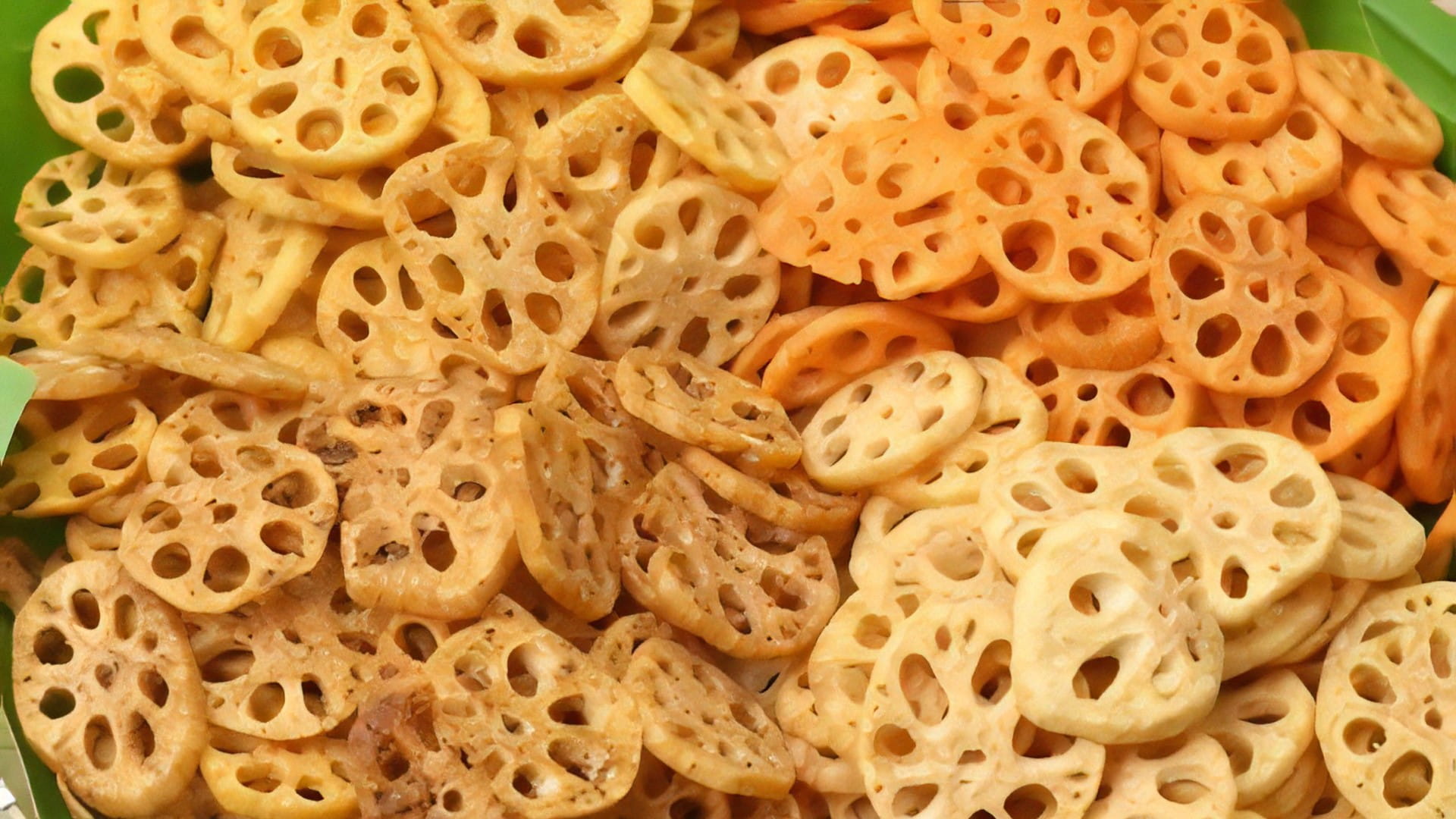
The lotus root — the pale, lace-patterned rhizome commonly found in Vietnamese and Asian markets — is the underground stem of the lotus plant. Known in traditional terminology as liên ngẫu, it has a subtly sweet, earthy taste and a mild fragrance that becomes more pronounced when dried and brewed. Lotus root tea is available in fresh slices, dried pieces, and powdered forms, each offering slightly different characteristics in flavor and preparation. It naturally contains vitamin C, minerals, and plant-based compounds that contribute to its overall profile. As with other lotus-based infusions, it is typically enjoyed as part of a varied and balanced diet.
Side by Side: How They Actually Compare
Now that we’ve explored each drink individually, it helps to see them together in a more structured comparison. The table below lays out the key dimensions — ingredients, processing, flavor, caffeine, and traditional purpose — across West Lake Lotus Tea and the five major lotus herbal teas.
Why People Get Confused — and How to Avoid It
If so much separates West Lake Lotus Tea from the lotus herbal teas, why do so many people conflate them? The confusion, it turns out, is entirely understandable — and it comes from several directions at once.
The most obvious source of confusion is the name. All of these drinks carry the word “lotus,” and many are sold in similar packaging — small zip-seal bags or glass jars with minimal descriptive text. For someone browsing quickly, the visual difference between dried lotus plumule (small, thread-like, pale green) and lotus anther–scented green tea leaves (dark, twisted) might not register immediately. Without reading carefully, or without knowing what to look for, it is easy to pick up the wrong product.
A second source of confusion is cultural transmission. In Vietnamese households, West Lake Lotus Tea has long been casually referred to as “lotus tea”. When this naming convention is passed along without full context, newcomers may mistakenly assume that all lotus tea is bitter, medicinal, and caffeine-free—when in fact, West Lake Lotus Tea is none of these things.
Third, the category of “lotus tea” simply hasn’t been well-explained in most markets outside Vietnam. Retailers sometimes group all lotus-related drinks together, using “lotus tea” as an umbrella label without distinguishing between a fine scented green tea and a functional herbal infusion.
How to Tell Them Apart
The clearest way to distinguish West Lake Lotus Tea from a lotus herbal tea is to look at the ingredients. Authentic West Lake Lotus Tea will list green tea leaves as its primary ingredient — typically noted as Thái Nguyên green tea. A lotus herbal tea will list only a lotus plant part: lotus leaf (lá sen), lotus seed (hạt sen), lotus plumule (tim sen / tâm sen), lotus root (củ sen), or lotus flower (hoa sen).
If you can examine the product directly, the physical difference is unmistakable. West Lake Lotus Tea looks like green tea leaves — twisted, slightly curled, dark green. Lotus plumule is thread-like and pale green. Lotus leaf is sold in dried, crumbled or sliced pieces. Lotus root is sold in sliced discs. These are visually and texturally nothing alike.
The Cultural Soul Behind the Cup
To understand West Lake Lotus Tea fully, it helps to appreciate the cultural weight it carries. In Vietnamese tradition, both tea and the lotus flower are held as symbols of purity, refinement, and inner grace. Tea is present at every significant gathering — welcoming guests, celebrating milestones, honoring elders. The lotus, meanwhile, carries the ancient image of something that rises clean and luminous from muddy water: a metaphor for virtue persisting through difficulty that resonates across Buddhist, Taoist, and Vietnamese folk traditions alike.
When these two symbols are brought together in a single cup — the disciplined craft of tea-making meeting the transcendent fragrance of the lotus — the result is more than a beverage. It becomes an expression of hospitality and respect. A gift of West Lake Lotus Tea, particularly one produced through the labor-intensive lotus rice process, communicates care and esteem. The 1,500 blossoms that go into a single kilogram of this tea represent not just labor, but attention — a kind of devotion that is itself a form of appreciation for the person you are sharing it with.
The lotus herbal teas, too, carry their own cultural significance — but it is rooted in the home and the body rather than the ceremony and the guest room. These are drinks that a grandmother makes for a grandchild who cannot sleep, or that a family brews on a hot summer evening to cool the household down. They are intimate, practical, and deeply connected to the rhythms of daily life and seasonal wellness.
Neither world is more valuable than the other. But they are different worlds, and knowing which one you are entering makes every cup more meaningful.
Every Lotus Tea Cup Has Its Moment
West Lake Lotus Tea and the lotus herbal teas may share a name and a plant, but they are expressions of entirely different traditions — one an art form of tea craftsmanship, the other a living pharmacopoeia drawn from nature. At Noble Viet Tea, we believe that understanding what’s in your cup — truly understanding it — is the beginning of enjoying it fully. Slow down, read the label, and let the right lotus tea find you at the right moment.