
The lotus flower holds a special place in the hearts and culture of the Vietnamese people. More than just a beautiful bloom, the lotus is intertwined with the emotions of homeland, serving as a symbol of the Vietnamese spirit itself. While lotus flowers grace ponds and lakes across the country, there’s something particularly captivating about the lotus of West Lake in Hanoi—a fragrance that seems sweeter, perhaps because it carries the spiritual essence of a thousand-year-old capital.
In the West Lake area, generations have preserved and cultivated a precious lotus variety known as Bách Diệp—the Hundred-Petaled Lotus, distinguished by its bright colors and unique fragrance. This isn’t merely an ornamental flower. The Bách Diệp lotus of West Lake serves as the primary ingredient in creating lotus-scented tea, an aromatic beverage that has earned the prestigious title of “The First Tea Under Heaven” (Thiên cổ đệ nhất trà). Through its role in Vietnamese spiritual and cultural life, West Lake lotus has become a source of pride not only for the people of the capital but for the entire nation.
A Flower Woven Into Daily Life
For thousands of years, the lotus has been a familiar and beloved presence in the spiritual and cultural life of Vietnamese people and many East Asian nations. It has become an endless source of inspiration for poetry, music, painting, and countless works of literature and art. The lotus image appears as a motif in many everyday products throughout Vietnamese life. Across Vietnam’s roads and pathways, one can easily spot pink lotus ponds dotting the landscape.

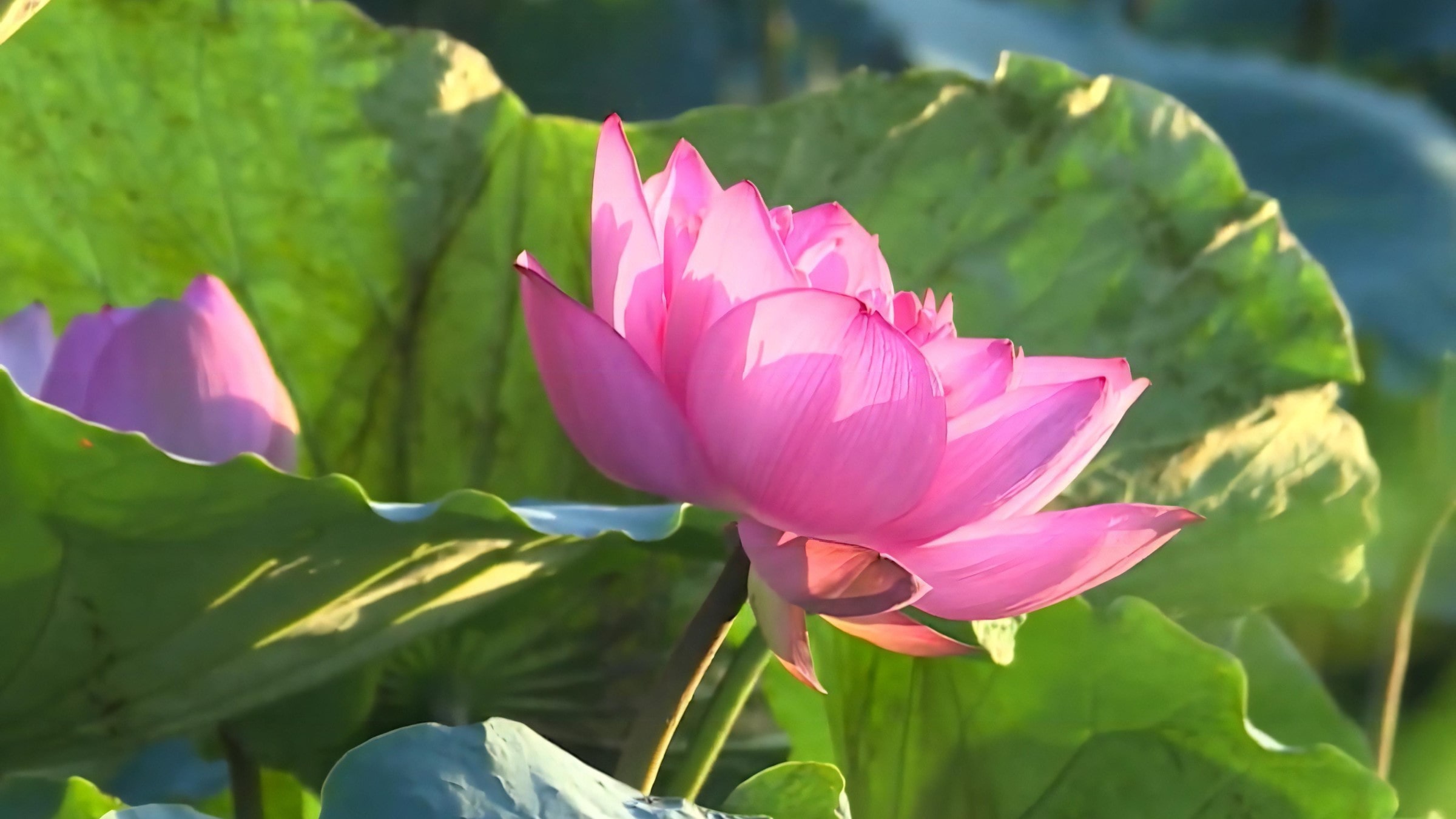
Yet there’s something undeniably special about immersing yourself in the gentle, refined fragrance of West Lake lotus. The unique soil conditions, climate, and especially the water of West Lake have created the precious lotus variety found here—the Bách Diệp. This lotus is considered precious because of its large blooms that open as wide as an outstretched hand, with hundreds of petals—hence the name Bách Diệp, meaning “hundred petals.” These petals are arranged evenly in layers, wrapping around the pistil and lotus seeds, preserving a pure, sweet fragrance that captivates the senses.
What makes West Lake lotus so enchanting isn’t just its beauty, but the way it embodies the essence of sunlight and breeze over West Lake, blending together to create something romantic and gentle. It stirs subtle emotions and refreshes the soul of those who experience it.
A Symbol of Vietnamese Character
The lotus is both a common and noble symbol in Vietnamese culture. The lotus flower itself is quite special—it possesses a light, discreet fragrance and distinctive colors. Many consider the lotus to represent the beauty of Vietnamese people and, simultaneously, Vietnamese character and moral qualities. There’s a famous Vietnamese saying: “near mud but not smelling of mud”—the essence of heaven and earth converging in the Bách Diệp lotus blossoms.
In response to this natural gift, the people of this area have long been clever and meticulous, gently preserving the lotus fragrance each season. Along with the practice of infusing the fragrance into tea leaves, in ancient times, residents of the old villages around West Lake, including Quảng An and Nghi Tàm, would scent tea with lotus to present to the king, mandarins, and nobility. Today, West Lake lotus tea is used by Hanoi residents to welcome honored guests or as a gift, carrying the distinctive flavor of this historic land.

It’s no accident that West Lake lotus tea has been named “the first tea of all ages.” The flavor of West Lake lotus tea comes from the harmonious blend of the rich taste of tea leaves scented with fragrant Bách Diệp lotus stamens. This fragrance is gentle and subtle, not intense like other flowers, creating a relaxing and pleasant sensation.
Learn more about the enchanting story behind this tea in Lotus Tea Legend.
The Art of Tea Scenting
The art of lotus tea scenting is both a passion and a source of pride for the villages along West Lake. Generation after generation, this traditional craft has been passed down, preserving an essential value for this land and its people. At West Lake, many artisan families still maintain the tradition of making lotus-scented tea entirely by hand, using family secrets to create a unique gift that carries the flavor of West Lake lotus—something that cannot be found anywhere else.
The process begins with selecting the right flowers. The flowers must be of the Bách Diệp variety and must be fragrant. The second consideration is choosing the tea—it must meet specific standards. Once both tea and flowers have been selected, the third step is the scenting process itself. For premium, top-quality lotus tea, about one kilogram (2.2 lbs) of lotus anther—harvested from roughly 1,000 to 1,500 blossoms—is required to scent one kilogram (2.2 lbs) of tea.

Speaking of complexity, lotus-scented tea is truly an art form of scenting. It requires standards that craftspeople have refined over generations: selecting lotus flowers, separating the stamens, scenting, incubating, sifting, and drying—seven times—before achieving a proper batch of lotus tea. This handcrafted scenting method requires both effort and time, which explains why lotus tea has such a profound and noble character.
Although lotus-scented tea can now be made in many different regions and locations, thanks to the experience and secrets passed down through generations, West Lake lotus tea still possesses a refined and elegant flavor unique to this historic capital.
Challenges and Preservation
Currently, due to rapid urbanization, the area for growing lotus has been reduced, and water sources have become heavily polluted, preventing lotus from thriving and providing enough supply for lotus tea-making families. People from Quảng An have taken West Lake lotus to cultivate in nearby areas. However, the quality and fragrance of the lotus only reaches about 80 percent of the original.
Restoring the Bách Diệp lotus, preserving and developing the traditional craft of lotus tea scenting has always been a concern for the authorities of Tây Hồ district. In recent times, Tây Hồ district has implemented plans to restore the West Lake lotus variety, build Quảng An lotus tea brands, improve the environment of ponds and lakes, and work toward expanding the lotus cultivation area.
A comprehensive plan has been developed for lotus cultivation in small lakes around West Lake to preserve this lotus variety and expand it. While currently there are 17 hectares, in the coming year, the plan is to develop additional areas around the surrounding lakes to reach about 2 hectares. Efforts include promoting and encouraging people in the traditional craft to continue both cultivating and the tea scenting process, ensuring the best possible outcomes with support from the state and various organizations to accompany the planting process, management, and the work to maintain and develop this tradition.
Celebrating the Heritage
Hanoi changes every day, but traditional cultural values are still quietly preserved by Hanoi residents. The hustle and bustle of the streets outside seems to exist separately from the peaceful tranquility here, where people day and night preserve and promote the cultural essence of this historic capital. Generations of Hanoi people continue the tradition of scenting and preserving tea in traditional ways while innovating with modern methods of preserving fragrance. More importantly, they have preserved and promoted the long-standing traditional craft of the West Lake region and brought the cultural essence of the nation to the world—an invisible thread drawing people from everywhere to West Lake specifically and this thousand-year-old land generally.

With each sip of West Lake lotus tea, those who enjoy it don’t just experience a refined and unique flavor—they also sense the wonder of Vietnamese culture and nature. For those born and raised in Hanoi, the images and scents of lotus flowers are memories that are hard to fade. Perhaps it’s because of this personal connection that people always perceive a magical beauty in lotus petals.
West Lake lotus is beautiful and impressive to Hanoi people also because the image of lotus ponds combined with the romantic scenery of West Lake creates something very special, very pure in each person’s memory, forming a complete and perfect image of West Lake. Each summer arrives, and so each lotus season passes, people wait for a new lotus season to return—sweet in memory and especially feeling the wonder in the refined beauty of Vietnamese cultural essence through the lotus flower.