
In recent years, cold brew tea has transformed the way people around the world enjoy their daily tea. Perhaps surprisingly, approximately eighty percent of tea consumed in America is now cold brewed, reflecting a significant shift in tea drinking culture. This brewing method, which may seem novel to some, has actually been embraced by tea enthusiasts in major cities worldwide as a practical solution for maintaining a healthy tea habit in our modern lives.
Cold brew tea represents a fundamental departure from conventional brewing methods. Rather than using hot water to steep tea leaves and then adding ice, this approach involves steeping tea directly in cold or room-temperature water for an extended period. The process may require patience, but the results are remarkably different from anything hot brewing can produce.
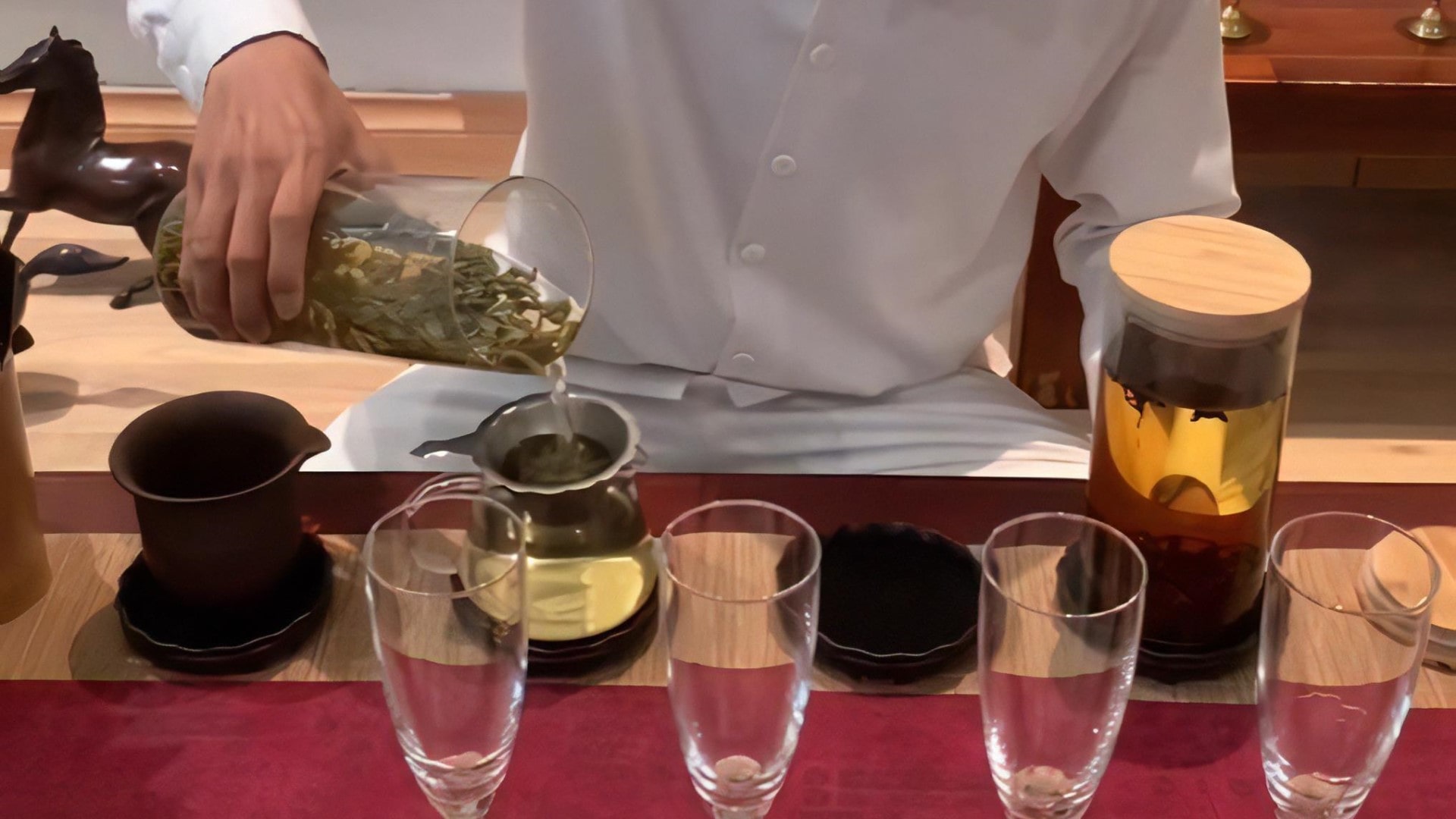
When tea is brewed with hot water, the high temperature forces the leaves to quickly release their compounds, including tannins that create characteristic astringency and bitterness. Cold brewing takes the opposite approach, using water below 68°F (20°C) and requiring at least 1 hour of steeping at room temperature. When refrigerated, the steeping time can extend to 8–12 hours. This gentle extraction allows the tea’s essence to emerge gradually and naturally, producing a flavor that is smooth, slightly sweet, and completely devoid of harsh bitterness or astringency.
Cold brewing allows tea leaves to unfold very slowly over time, creating a remarkable balance in the resulting compounds. The aromatic development in cold brew tea is considerably more complex, and the method naturally inhibits the release of tannins that would otherwise contribute bitter notes. For teas containing caffeine, cold brewing also reduces the caffeine content, delivering a more delicate, refined, and naturally sweet flavor profile.
Beyond superior taste, cold brew tea offers practical advantages that make it an ideal choice for health-conscious individuals. Unlike hot-brewed tea, cold brew stays fresher and cleaner for longer periods when stored in the refrigerator. The lower temperature throughout the brewing and storage process creates a less hospitable environment for bacteria.
The simplicity of cold brew tea preparation is perhaps its most attractive feature. The ingredients required are minimal: just tea leaves and water. The basic process involves combining tea and water, then placing the container in the refrigerator for a minimum of 1 hour, though optimal results typically require 8-12 hours. After a single night in the refrigerator, you wake to a perfectly brewed pitcher of cold tea.
Best Teas for Cold Brewing
The variety of teas suitable for cold brewing is extensive, offering options for every palate and preference. White tea produces a particularly pleasant cold brew, creating a delicate, smooth sensation with minimal caffeine content. Green tea represents one of the most popular and widely used teas for cold brewing, yielding a fresh, invigorating flavor that remains free from bitterness while maintaining a gentle astringency. Oolong tea creates an explosive flavor profile when cold brewed, making it an excellent choice for long days when alertness and focus are essential.
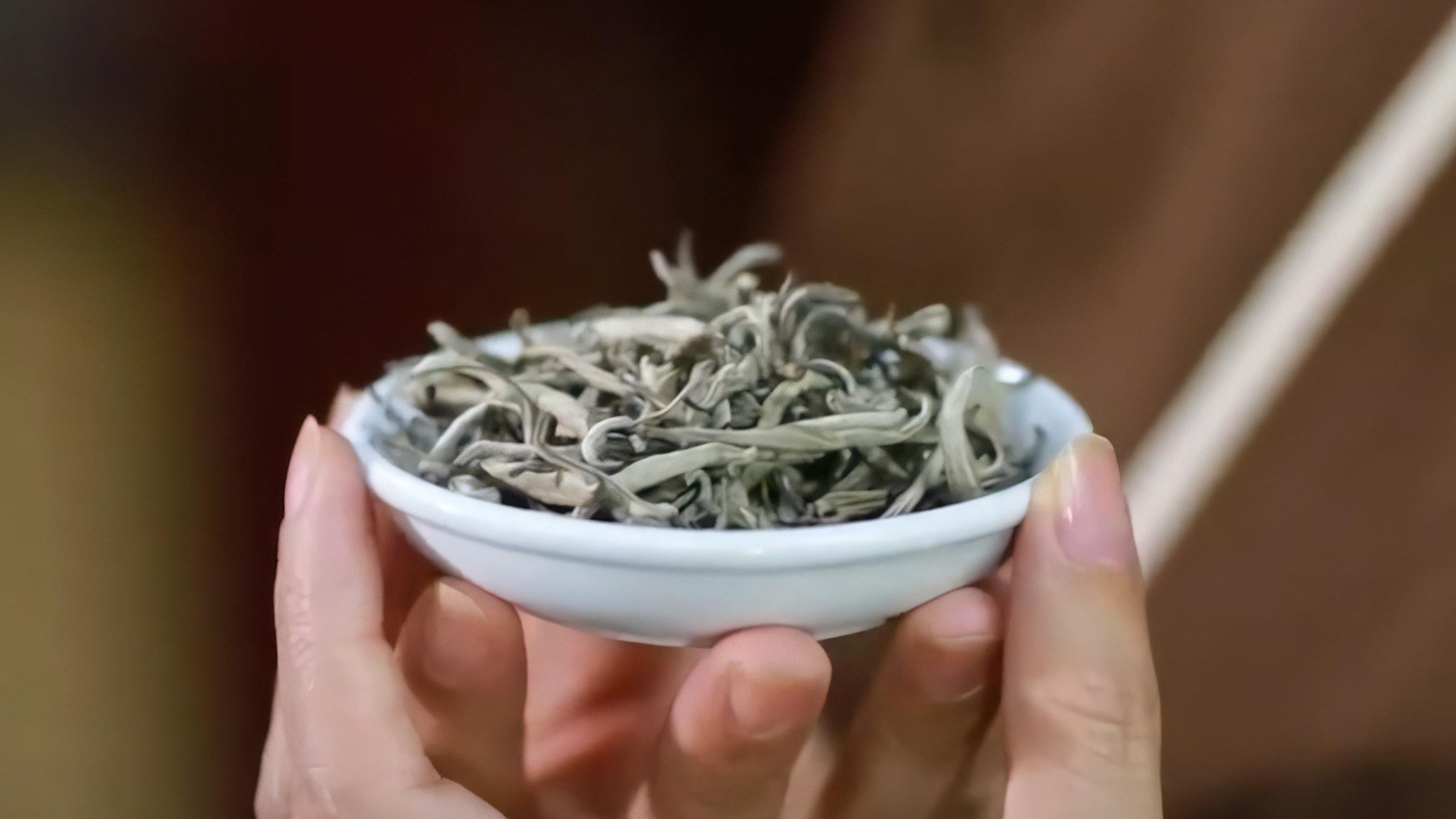
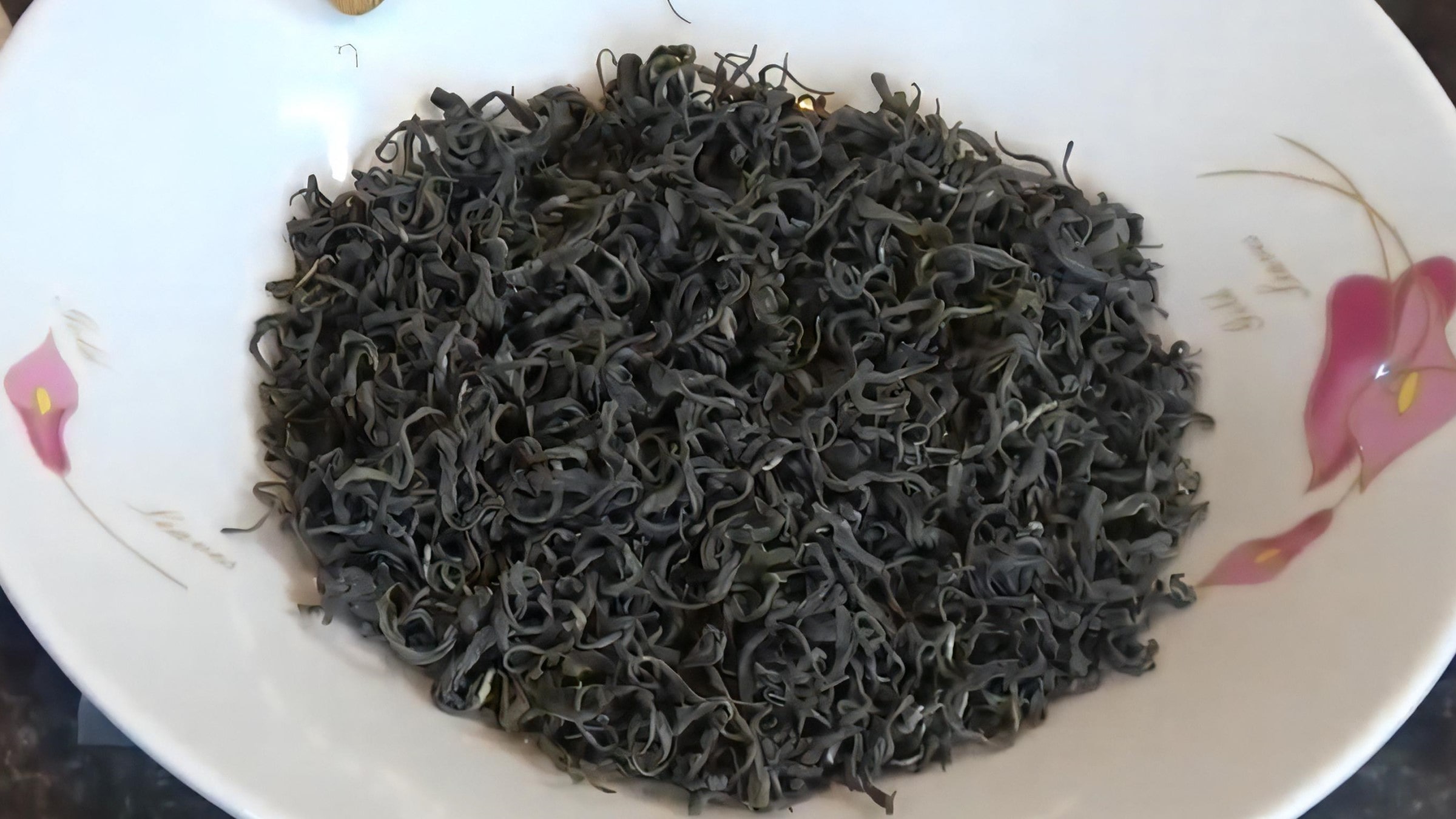
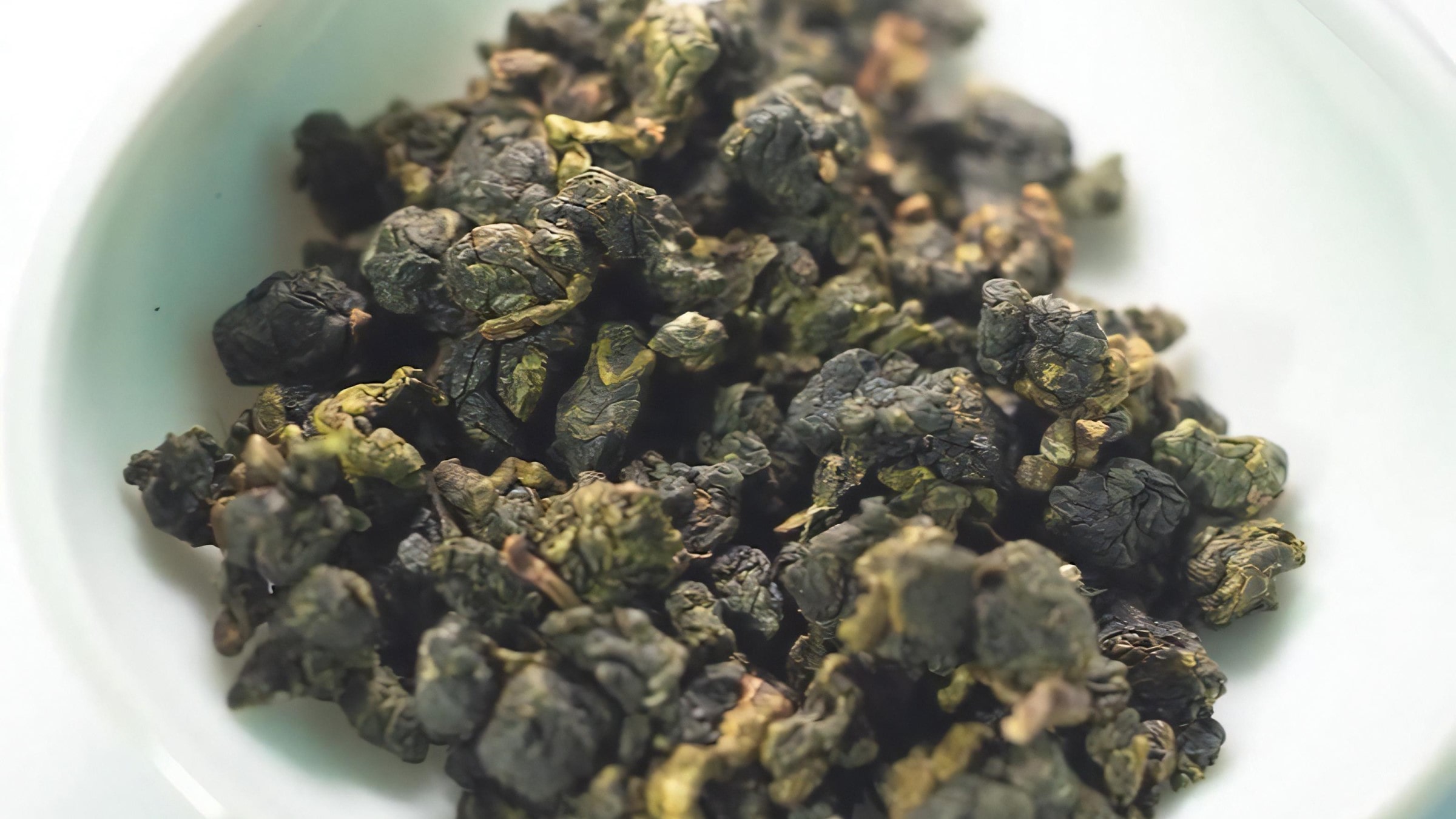
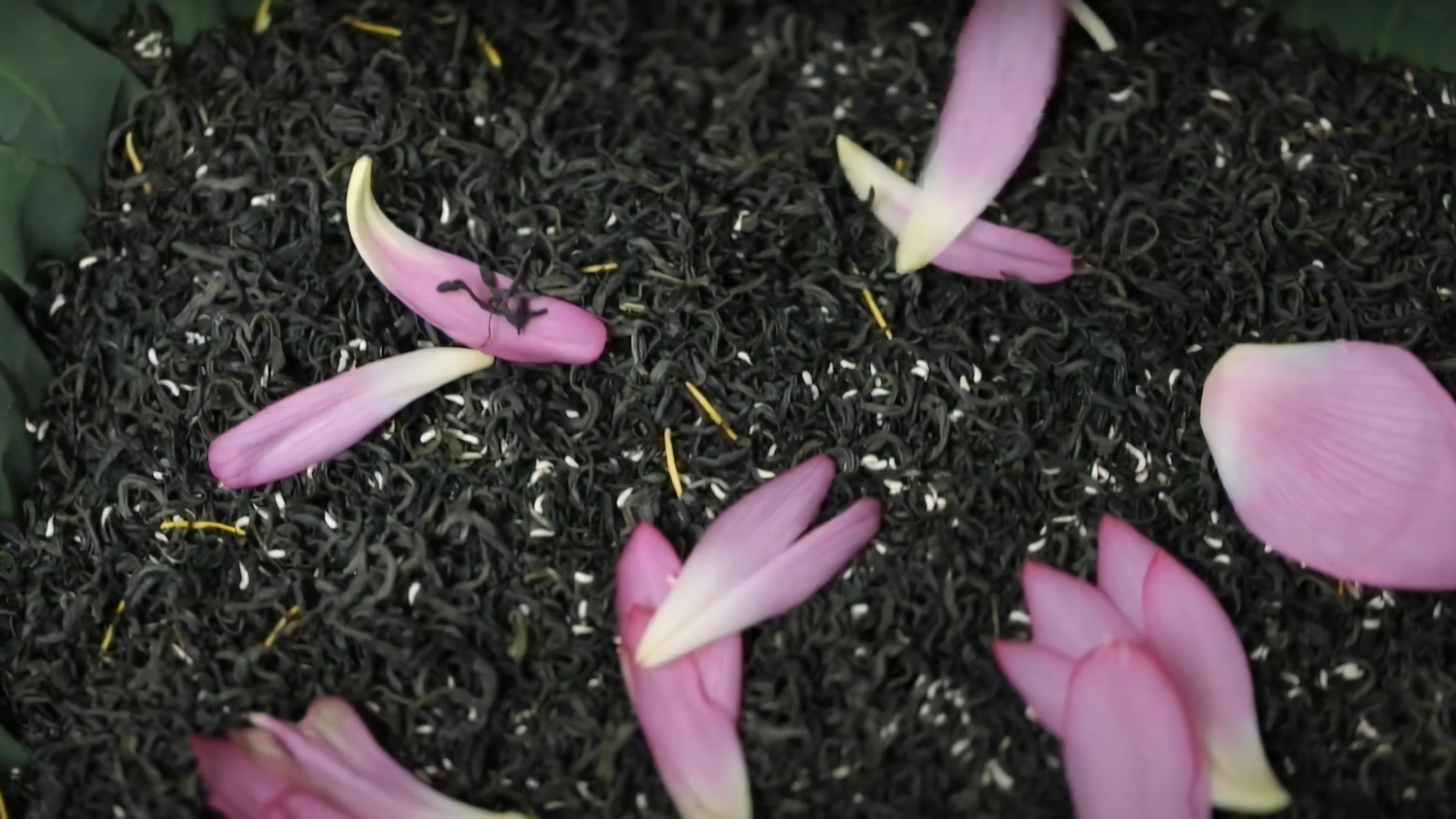
Black tea often benefits from blending with flavored herbal teas such as peach, pineapple, mango, and red hibiscus. Caffeinated herbal teas, including varieties like yerba mate, become notably less caffeinated and less bitter when prepared using the cold brew method. For those exploring Vietnamese tea traditions, lotus tea stands out for its distinctive fragrance. Non-caffeinated herbal teas deserve special mention as particularly worthwhile candidates for cold brewing, thanks to their pleasant flavors and universal appeal. Commonly used herbal teas include red rooibos, lemongrass, peppermint, ginger, rose tea, and chamomile.
Step-by-Step Cold Brewing Method
Understanding precisely how to make cold brew tea ensures consistently excellent results. To achieve perfectly flavored cold brew tea, you will need three essential elements. First, prepare two types of water: boiling water between 203–212°F (95–100°C), and boiled water that has been allowed to cool to room temperature. Second, select your preferred tea variety. Third, choose an appropriate brewing container, and this choice is critical. You must use a glass container, as plastic and metal containers are strictly prohibited for this purpose.
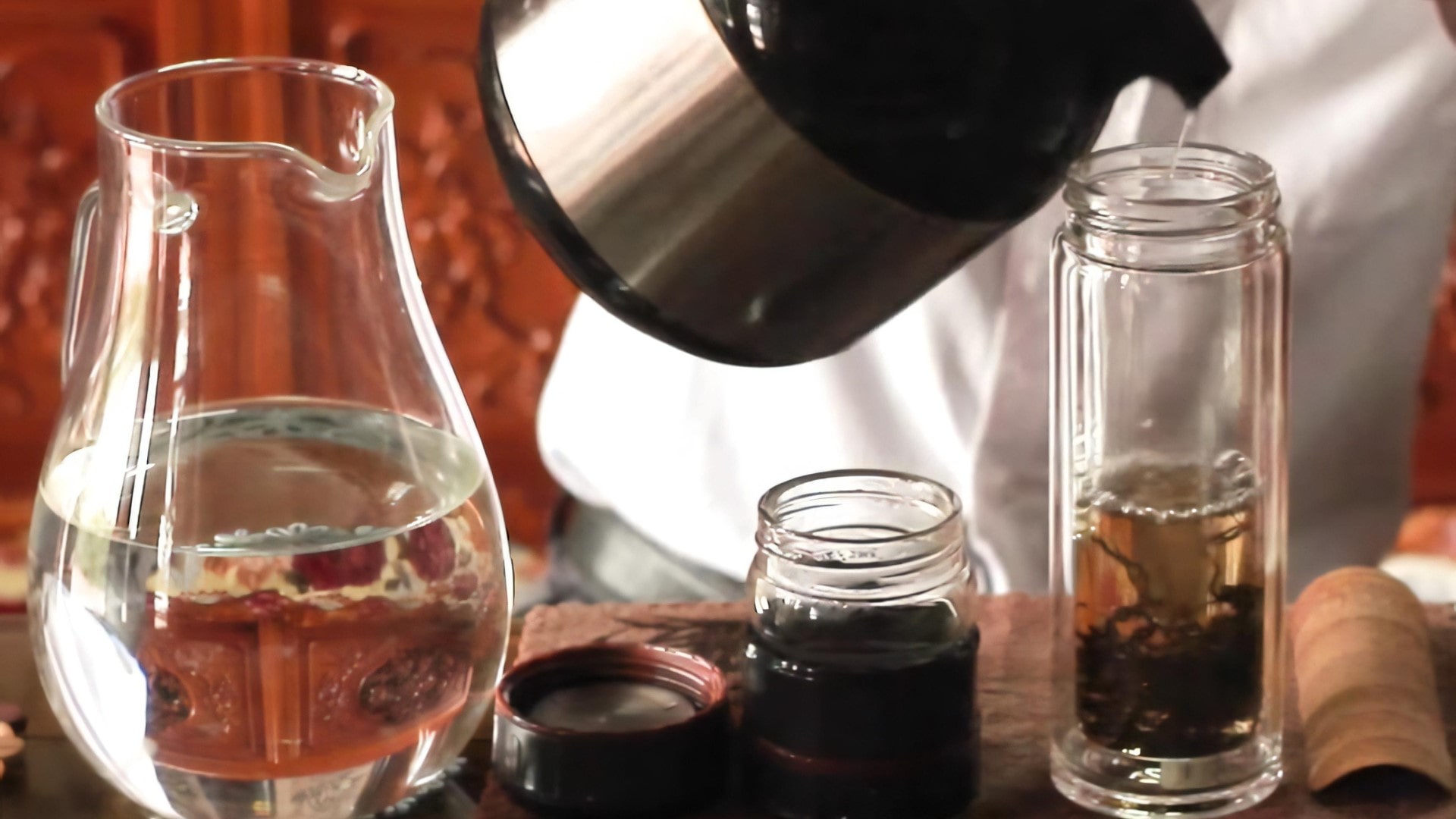
The cold brewing method involves two fundamental steps. The first step, awakening the tea, requires using the hot boiling water. The second step, brewing the tea itself, uses the cooled water. To begin awakening the tea, place approximately 1.5–2 grams (0.05–0.07 oz) of tea leaves into a 16–24 fl oz (500–700 ml) glass container. Pour the boiling water at 203–212°F (95–100°C) over the tea leaves and allow them to sit for no more than 10 seconds. Within this ten-second window, pour out all the hot water completely. After draining all the hot water from the container, wait approximately 30 seconds to allow the tea buds to open and expand.
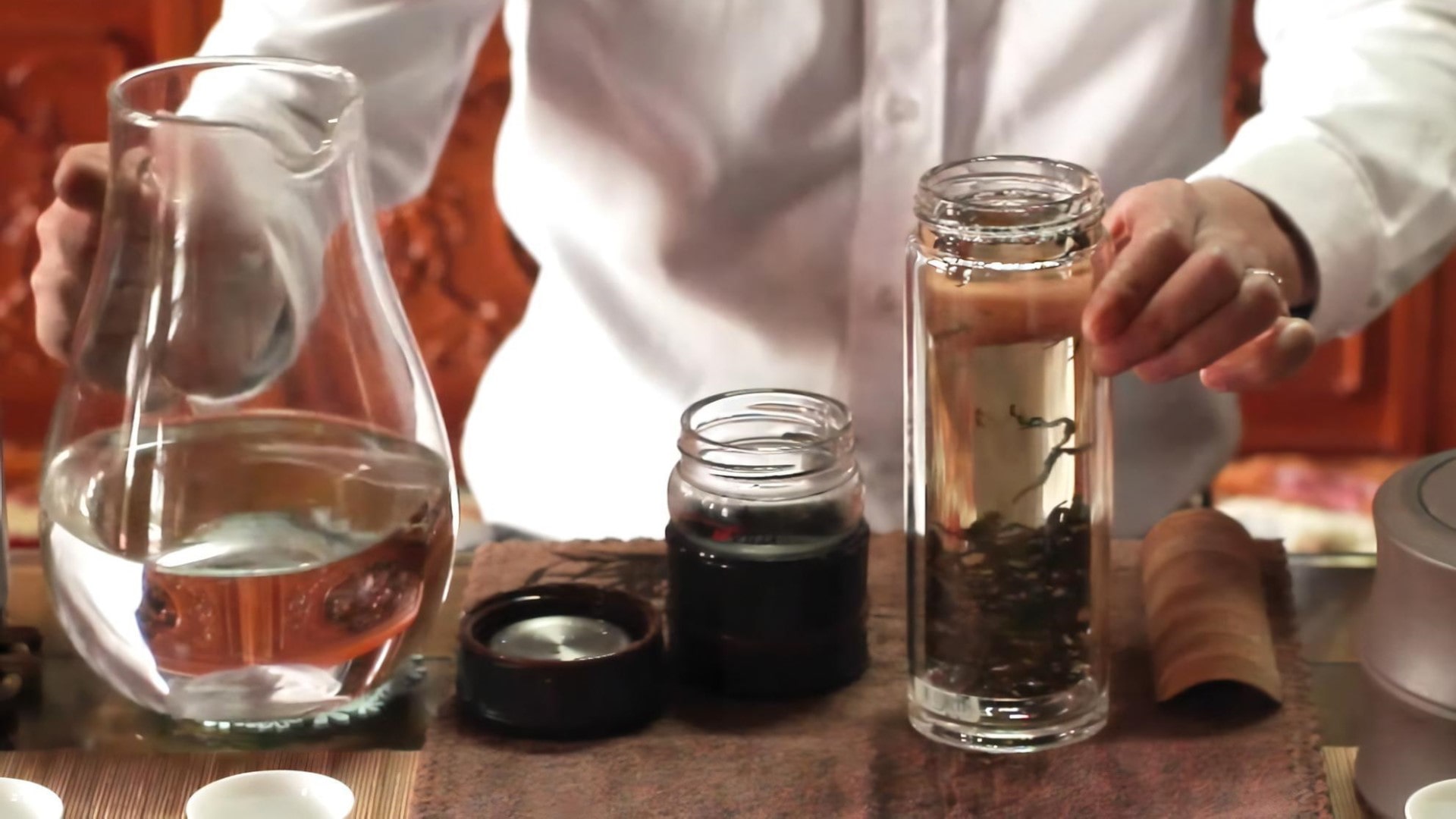
Following the thirty-second waiting period, proceed immediately to the brewing step. Pour the cooled water into the container until it is full, then seal the container tightly with its lid. Within approximately 1 hour, the water in the container will become saturated with tea essence, marking the optimal moment to enjoy the tea’s attractive flavor. Once the water reaches full saturation, the tea leaves will no longer release additional compounds. When you finish drinking the tea from the container, simply add more cold water and wait another 1 hour to have another batch ready for consumption.
The practical application of cold brew tea in daily life demonstrates its remarkable versatility. A typical workday routine might unfold as follows: after waking early and finishing breakfast, prepare one container of cold brew tea and take it along when leaving for work. During the commute, which might take approximately 1 hour, the tea reaches perfect saturation. Using a 500-milliliter (16.9 fl oz) container, the tea can be sipped throughout the morning until nearly lunchtime. Just before heading to lunch, refill the container with cold water and leave it to steep. After returning from lunch, the tea will have diffused and saturated into the water again, providing a fresh container to enjoy throughout the entire afternoon. This approach allows tea to be consumed while driving, working at a desk, walking, or traveling anywhere.
Many people wonder whether cold brewing fully extracts the beneficial compounds from tea leaves. The awakening step addresses this concern directly. This initial hot water rinse helps break down the cellular structure of the tea leaves, enabling the compounds within to diffuse more readily into the water. The fundamental principle at work is that substances naturally tend to diffuse from areas of higher concentration to areas of lower concentration. This means that repeatedly adding fresh cold water to the same tea leaves will continue to extract nearly all the valuable compounds.
Another common question concerns whether cold brew tea tastes the same as hot-brewed tea. The answer is definitively no. When enjoying hot tea, you experience three separate aromatic layers: the first aroma rises when the tea is initially brewed, the second exists within the tea liquid itself, and the third lingers in the empty cup after the tea has been consumed. Cold brew tea offers only one aromatic experience, concentrated entirely within the tea liquid. Because the cold brewing method prevents the essential oils in tea from evaporating as they would during hot brewing, all the aromatic compounds remain suspended in the liquid. Consequently, the aroma in cold brew tea is more concentrated and intense compared to hot-brewed tea.
The commitment to using glass containers deserves emphasis, as the material choice significantly impacts both safety and flavor quality. Glass remains chemically inert, ensuring that no unwanted compounds leach into the tea during the extended steeping period. Plastic containers may release chemicals when in prolonged contact with acidic tea compounds, while metal containers can impart metallic tastes and may react with tea compounds in undesirable ways.
For anyone seeking to enhance their relationship with tea or establish healthier hydration patterns, learning how to make cold brew tea offers an invaluable tool. The method’s simplicity ensures that even complete beginners can achieve excellent results, while the technique’s flexibility allows for endless experimentation and refinement. The reduced bitterness, enhanced sweetness, and smooth character of cold brew tea create a drinking experience that appeals even to those who previously disliked tea. By removing the harsh elements that high-temperature brewing introduces, cold brewing reveals tea’s inherent gentleness and natural sweetness, providing a practical path toward increased tea consumption, better hydration, and enhanced daily wellbeing.