
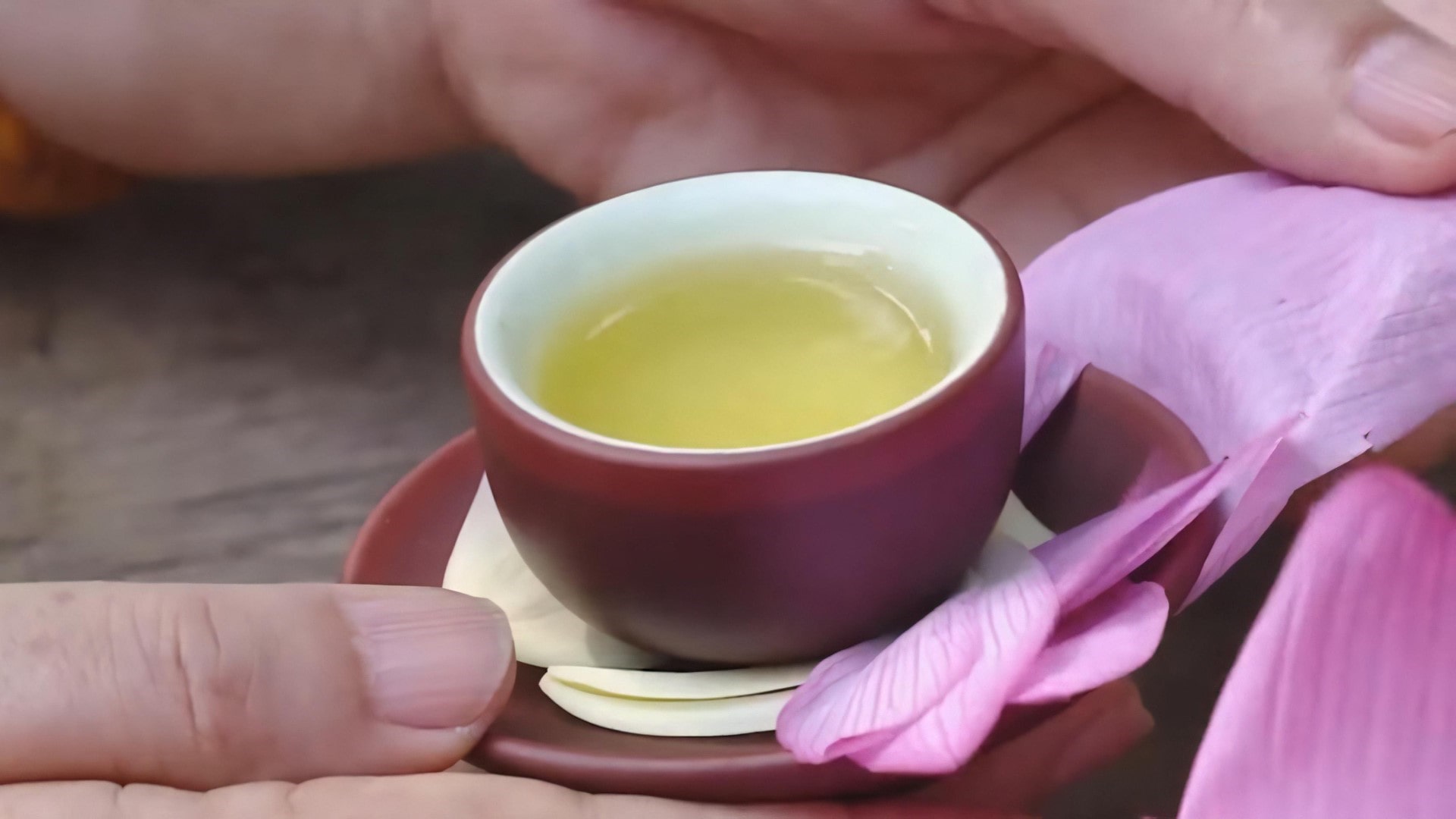
For centuries, lotus tea has been a cherished beverage in Vietnamese culture, representing purity and refinement in the art of tea appreciation. The gentle, clean fragrance of lotus blended into each cup not only brings a sense of tranquility but also evokes the beautiful traditional values that have been passed down through generations. With every sip, tea lovers are transported to a peaceful space where the soul settles and merges with the simple yet profound beauty of nature.
Today, lotus tea is gaining recognition beyond Vietnam’s borders as an elegant drink valued in traditional wellness practices. Understanding the lotus tea benefits and how to properly enjoy this refined beverage can help you appreciate its full potential.
The Art of Lotus Tea: What Makes It Special
Lotus tea represents a sophisticated fusion between green tea and the delicate fragrance of lotus flowers. Creating this refined Vietnamese beverage requires meticulous attention to detail and premium ingredients. The craft begins with selecting the finest quality green tea leaves, chosen specifically for their ability to absorb fragrance easily. These tea buds are then carefully infused with lotus rice through a painstaking process that requires exceptional skill and patience.
The lotus flowers themselves must meet exacting standards. Only large, beautiful, and fresh blooms are selected, harvested in the early morning hours when their fragrance is at its purest and most delicate. This precise timing ensures that the lotus tea develops its distinctive aroma that cannot be mistaken for anything else.
Crafting just 2.2 pounds (1 kilogram) of quality lotus tea requires infusing the tea leaves with one thousand lotus flowers through multiple rounds of careful processing. This dedication to craftsmanship results in an exquisite fragrance that permeates every cup.
To fully appreciate the cultural depth of lotus tea, from its history to the arts of crafting and tea appreciation, explore our in-depth introduction to Vietnamese lotus tea
Lotus Tea Benefits in Traditional Vietnamese Wellness Culture
The marriage of loose leaf tea and lotus flowers creates a beverage rich in beneficial compounds that have been valued in Vietnamese traditional practices for generations. The lotus tea benefits span from supporting general wellness to promoting mental relaxation, making it a versatile addition to a mindful lifestyle.
Supporting Overall Wellness
One of the lotus tea benefits involves its role in Vietnamese wellness practices. The tea contains active compounds called EGGC along with tannin, nuciferine, alkaloids, vitamin C, and various organic acids such as citric, tartaric, and succinic acid. These natural components have made lotus tea particularly valued by those interested in holistic approaches to wellbeing, especially individuals managing weight or seeking to support their overall health through natural beverages.
Traditional use suggests that lotus tea may play a role in supporting healthy cholesterol levels as part of a balanced lifestyle. The tea is also valued by those seeking to maintain healthy blood sugar balance, particularly when used as part of an overall wellness routine that includes proper diet and exercise.
Weight Management Support
For those seeking to maintain a healthy weight, the lotus tea benefits extend to metabolic wellness. With its low calorie content and association with fat metabolism support, lotus tea serves as a popular choice for those on a wellness journey. When combined with proper diet and reasonable exercise, lotus tea is traditionally consumed two to three cups daily by those working toward their weight management goals.
However, it remains essential to maintain a balanced approach and never skip meals while drinking lotus tea, as proper nutrition is important for maintaining energy levels and overall health.
Mental Wellness and Relaxation
Among the cherished lotus tea benefits is its traditional use for promoting mental relaxation and reducing everyday stress. The gentle fragrance of lotus is believed to help relax the nervous system, decrease tension, and improve mood. Drinking lotus tea creates a pleasant and comfortable feeling, helping maintain mental clarity while providing a moment of calm in daily life.
According to Traditional Vietnamese Medicine, lotus tea works particularly well for those in hot climates due to its cooling properties that help promote a sense of internal balance and comfort.
Promoting Restful Sleep
Lotus tea contains natural compounds such as nuciferine, which are believed to gently calm the nervous system. Enjoying a cup of lotus tea has been a longstanding practice for those seeking a peaceful night’s rest.
Digestive Comfort
Regular consumption of lotus tea is associated with digestive comfort. The tea’s natural tannin content is traditionally valued for helping ease occasional bloating and supporting comfortable digestion. Additionally, lotus tea is rich in antioxidants and phenolic compounds, which are appreciated for their general wellness properties. It also supports the body’s natural cleansing processes.
Skin Health and Vitality
The lotus tea benefits extend to beauty and skin wellness through its rich content of active compounds including lotusine, nuciferine, demethyl coclaurine, and neferin, which possess antioxidant properties. These compounds are valued for supporting skin vitality and promoting a healthy, radiant complexion. Regular lotus tea consumption is part of maintaining vibrant skin appearance.
In traditional wellness practices, lotus tea has been used in various contexts, including as part of men’s and women’s health routines during specific times or situations.
Things to Keep in Mind When Enjoying Lotus Tea
While lotus tea offers many benefits, proper consumption practices help you get the most from it. Understanding when and how to drink lotus tea makes a significant difference in your experience.
The finest way to enjoy lotus tea is to drink it warm, without adding sugar or milk, as these additions diminish its natural flavor and fragrance. When drinking, take small sips to fully appreciate the lotus aroma spreading through your mouth. The traditional approach is to consume lotus tea one to two hours before meals. Drinking lotus tea too close to mealtime may affect comfort. If you prefer to drink tea after eating, wait at least one hour.
Important Considerations
Individuals with low blood pressure should exercise caution when consuming lotus tea due to its cooling properties. If you wish to try it, traditional guidance suggests limiting consumption to five to seven days, drinking only every other day. People who are thin or have delicate constitutions are traditionally advised not to drink lotus tea daily; instead, prepare a more diluted version.
Pregnant women and nursing mothers should avoid lotus tea. Similarly, those drinking lotus tea for weight management or wellness purposes are advised not to consume it during menstruation, as the tea possesses astringent properties.
Consumption Best Practices
Never drink lotus tea on an empty stomach, as this represents one of the most important precautions. When the stomach is empty, components in the tea may cause discomfort such as headaches, nausea, and dizziness, primarily due to the caffeine content found in green teas generally and lotus tea specifically.
Avoid brewing lotus tea too strong, as this can lead to tea sensitivity caused by high concentrations of catechin, theanine, and caffeine, particularly affecting those new to tea drinking. Similarly, do not drink tea immediately after meals, as traditional wisdom suggests this may interfere with comfortable digestion. The tannin in tea may cause stomach discomfort in some individuals.
Overnight tea should never be consumed, as it loses most of its flavor and aroma while potentially developing unwanted qualities. If the tea has not spoiled, you may use it for other purposes such as rinsing or gargling, but never for drinking.
Avoiding Problematic Combinations
Never mix lotus tea with other types of tea or any additional ingredients, as this reduces the tea’s quality and fails to preserve its traditional character. Avoid taking medications with tea, as tea components may interact with pharmaceutical ingredients.
Avoid drinking lotus tea after consuming protein-rich foods such as beef, as the tannic acid in tea may react with protein in ways that affect digestive comfort.
In Traditional Vietnamese Medicine, lotus is considered incompatible with tung oil, ginkgo, and linh lăng grass; therefore, avoids consuming these three herbs alongside your tea.
Lotus tea offers a slightly astringent taste with a sweet aftertaste and a gentle, pure fragrance that makes it a delicious and accessible beverage. The lotus tea benefits extend far beyond simple refreshment, encompassing aspects of wellness from relaxation to vitality, from digestive comfort to radiant skin.
Please note: The information in this article is based on traditional Vietnamese wellness practices and is not intended to diagnose, treat, cure, or prevent any disease. Always consult with a healthcare professional before making changes to your diet or wellness routine, especially if you have existing health conditions or are taking medications.