
Learning how to make loose leaf tea properly transforms a simple beverage into a thoughtful practice. The traditional Vietnamese approach to tea preparation, passed down through generations, reveals that brewing exceptional tea requires more than simply pouring hot water over leaves. This guide explores the methods that Vietnamese tea masters have refined over centuries.
Among the many techniques and experiences that tea practitioners have developed, this guide focuses on four fundamental elements that prove both important and practical for anyone seeking to brew excellent tea. These elements—first water, second tea, third brewing, fourth teapot—are elegantly captured in a traditional Vietnamese saying that has guided tea preparation for generations.
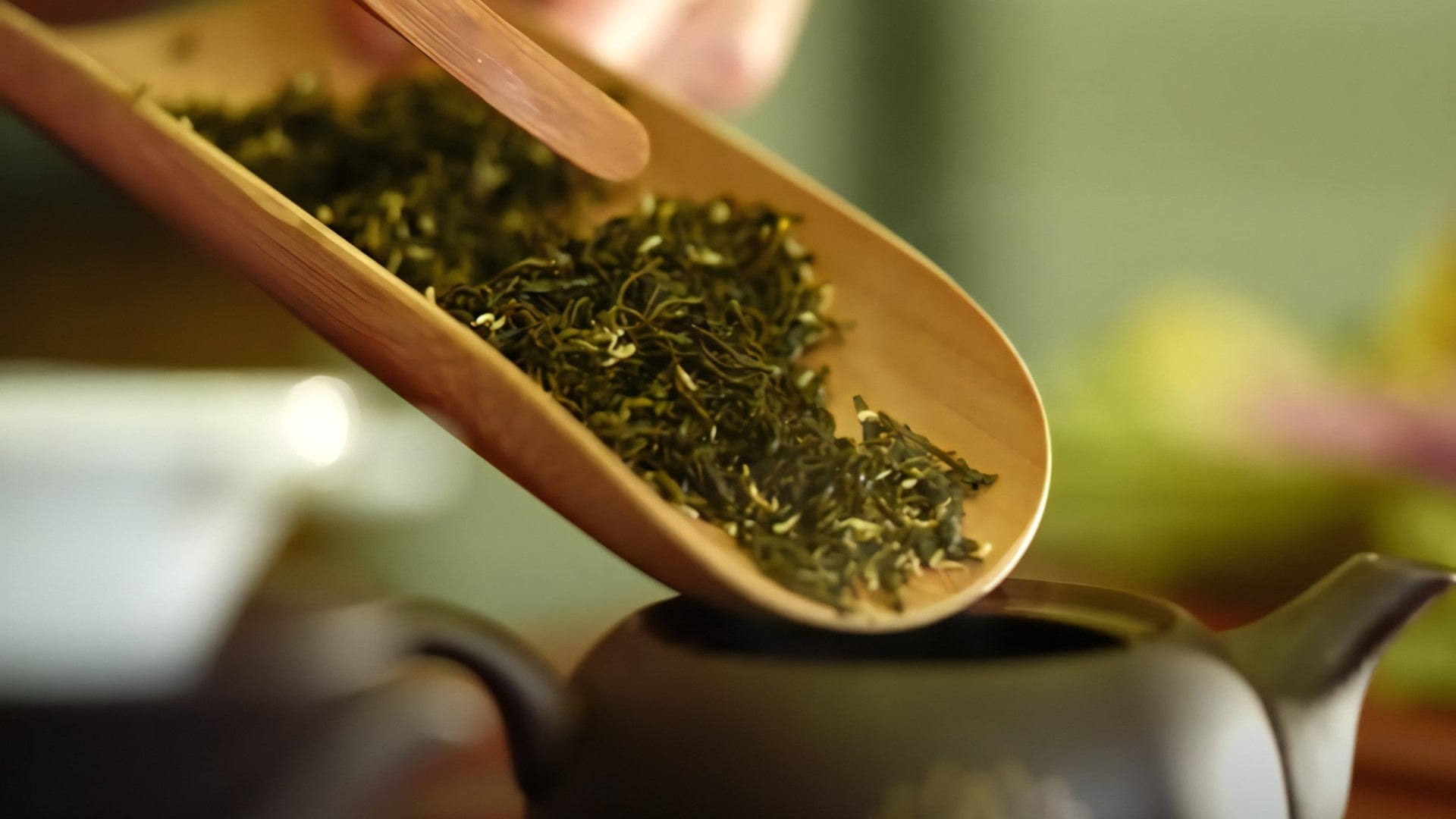
Understanding how to make loose leaf tea begins with recognizing that successful tea preparation rests upon these interconnected components: water, which serves as the foundation for extracting the tea’s essence; the tea leaves themselves, carefully selected to match the occasion and season; the brewing method that transforms leaves and water into an exceptional beverage; and the tea utensils, which control temperature and facilitate proper flavor development.
First Water: The Foundation of How to Make Loose Leaf Tea
The quality and temperature of water profoundly influence how your tea tastes. Water represents the first element in successful tea preparation, and this priority placement is no accident—since tea is fundamentally a beverage made from water, the water used for brewing holds extraordinary importance. According to traditional knowledge, the finest water came from pristine mountain streams, followed by river water taken far from human settlements. Mountain well water ranked third, with rainwater and melted snow considered only after these sources. However, modern environmental conditions have changed this.




For those occupied with daily work responsibilities, selecting convenient water solutions that are quick and practical deserves careful attention. The best approach for busy tea drinkers involves choosing purified water or specialized water produced by certain companies specifically for tea brewing.
It is important to note that mineral water should not be selected for tea preparation, as the mineral content can interfere with proper flavor development. When minerals in bottled water differ from those in the tea leaves, they can neutralize or diminish the tea’s flavors. From the perspective of modern scientific research, experts also recommend using soft water for tea preparation while avoiding hard water, which contains a high mineral content.
For those who have more time to dedicate to tea preparation, traditional sources offer excellent options. Historical guidance points to water from springs flowing at the point where upstream and downstream sections meet, water from deep wells, or water from mountain springs as particularly suitable choices.
The ideal water for brewing tea comes from the same region where the tea was grown. Water and tea from the same geographical area share similar mineral compositions, creating a resonance that enhances natural flavors. When minerals in the water match those the tea plant absorbed during growth, they work together rather than against each other.
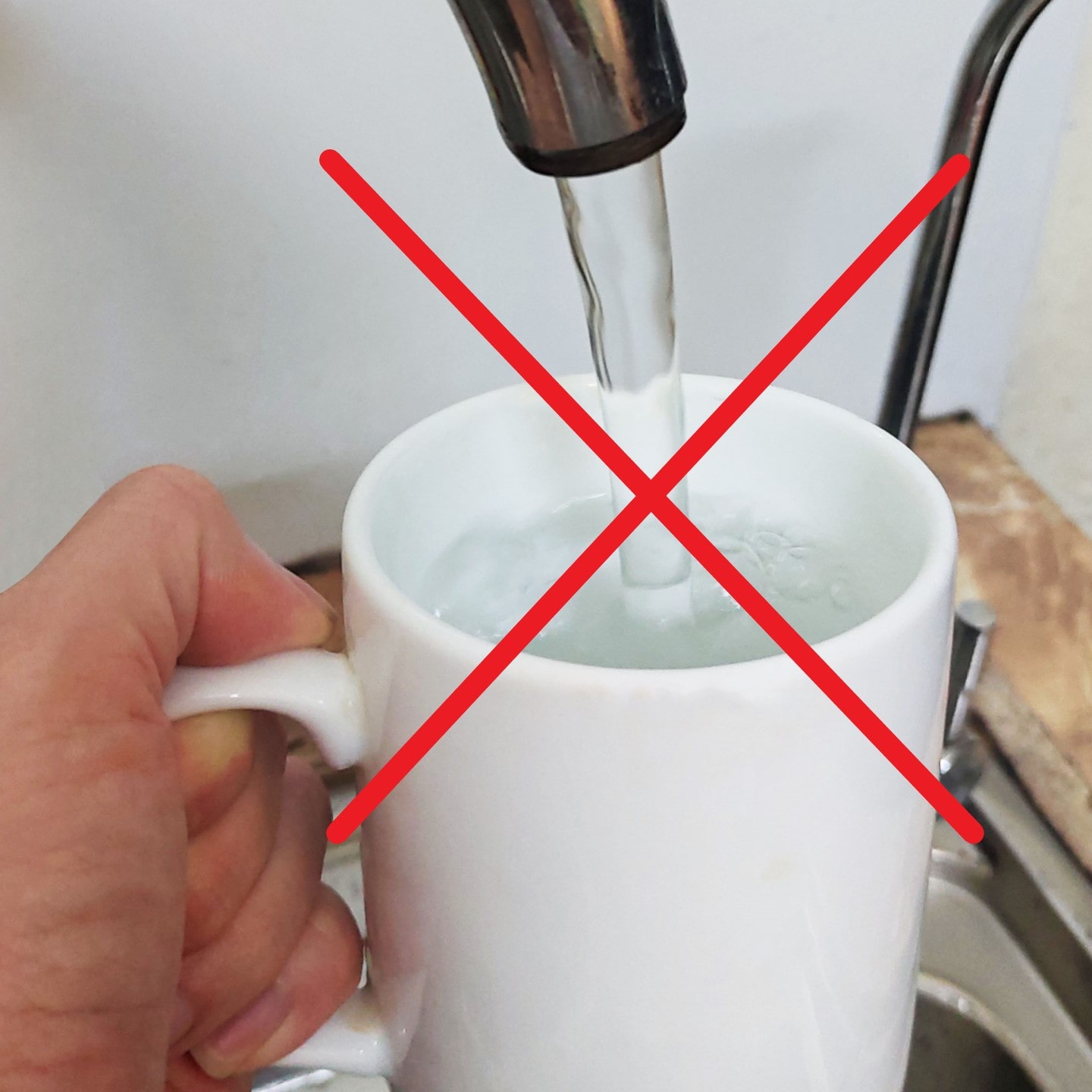
If you cannot obtain water from the tea’s growing region, use purified water, which provides a neutral medium that allows the tea’s character to express itself fully. Absolutely avoid tap water containing chlorine, as chlorine destroys all tea fragrance and flavor.
Water temperature represents the other critical aspect. You must first boil the water to one hundred degrees Celsius regardless of your target temperature. After reaching the boiling point, pour the water into the serving pitcher where it will naturally cool to your desired temperature. According to experienced tea practitioners, the standard temperature range for optimal interaction between tea leaves and water typically falls between 167°F and 185°F (approximately 75°C to 85°C). This range allows proper penetration and extraction while preserving delicate flavor compounds.
Time of day significantly influences the appropriate brewing temperature. Morning tea sessions generally benefit from higher-temperature water, afternoon tea is best prepared with moderately hot water, and evening tea requires a gentler approach to avoid excessive stimulation before rest.
Different tea types also demand different temperatures. Green and black teas generally follow the time-of-day guidelines. White tea made exclusively from young, tender buds should never encounter water above 176°F (80°C)—higher temperatures cook these delicate buds, resulting in excessively strong, bitter tea. Other white tea varieties can tolerate higher temperatures. Pu-erh tea, particularly compressed cakes, requires the full 212°F (100°C) to properly extract its complex flavors.
Second Tea: Matching Leaves to Life
Selecting the right tea involves more than personal preference. The first step in choosing tea requires selecting a tea variety that aligns with your personal taste and drinking preferences. You should choose tea that makes you feel natural and ensures peace of mind regarding health and safety. Traditional Vietnamese wisdom recognizes that tea selection should respond to season and weather conditions, as well as individual physical constitution.
When selecting safe tea, several foundational criteria deserve attention. You should consider the tea variety itself, the season in which the tea was produced, who produced the tea, and who is selling the tea. These factors provide the basis for making informed choices about tea quality and safety. A practical principle to remember is to purchase tea from the current season and consume it during that same period, ensuring maximum freshness. Choosing reputable tea producers carries particular importance, and selecting trustworthy sellers similarly requires careful consideration. When these criteria are understood, you can confidently inquire at reputable establishments to learn more about the tea you intend to brew.
Seasonal guidance follows natural rhythms. Spring and summer call for green tea, which provides cooling properties. Autumn suits white tea, offering a transitional character. Winter welcomes black tea, which delivers warming energy. Additionally, yellow tea, with its gentle warming balance, is ideal for spring and autumn; Pu-erh, particularly the aged variety, is best for winter to support warmth; and Oolong, with its moderate, harmonizing qualities, complements the autumn season. If you are not yet familiar with how to distinguish these types of tea, you can refer to the following article: How to Differentiate the Six Types of Tea
In addition to the traditional unfermented and fermented teas mentioned above, there are aromatic floral teas, typically made by scenting loose-leaf tea with flowers, such as jasmine tea and lotus tea. Among these, lotus tea stands out as a unique specialty of Vietnam, rich in legends and cultural significance. If you are curious about the fascinating stories behind this distinctive tea, you can refer to the following article: Lotus Tea Legend

A valuable approach for deepening your tea experience, if possible, involves directly visiting the producers of teas you have come to love. When you find yourself drawn to a particular tea from a specific maker, meeting them in person allows you to ask how to brew their tea in the way that best reveals its qualities according to your preferences. You might explain your particular tastes or describe the preferences of the friends with whom you typically share tea, and the producer can offer specific guidance for brewing their tea to suit those drinking styles.
Third Brewing: The Five Steps of Tea Preparation
The Vietnamese method follows five distinct steps, traditionally called the five-stage kungfu method. The first step involves warming the tea utensils. The second step awakens the tea leaves. The third step brews the tea. The fourth step transfers the tea for serving. The fifth step involves offering the tea to guests.
The importance of warming tea utensils before brewing cannot be overstated—this is the first step.. When teaware remains at room temperature, it absorbs significant heat from the boiling water, dramatically altering temperature control. If you pour boiling water directly into cold teaware, the temperature of water drops immediately and unpredictably, and the tea will lack the depth and character that proper temperature management provides.
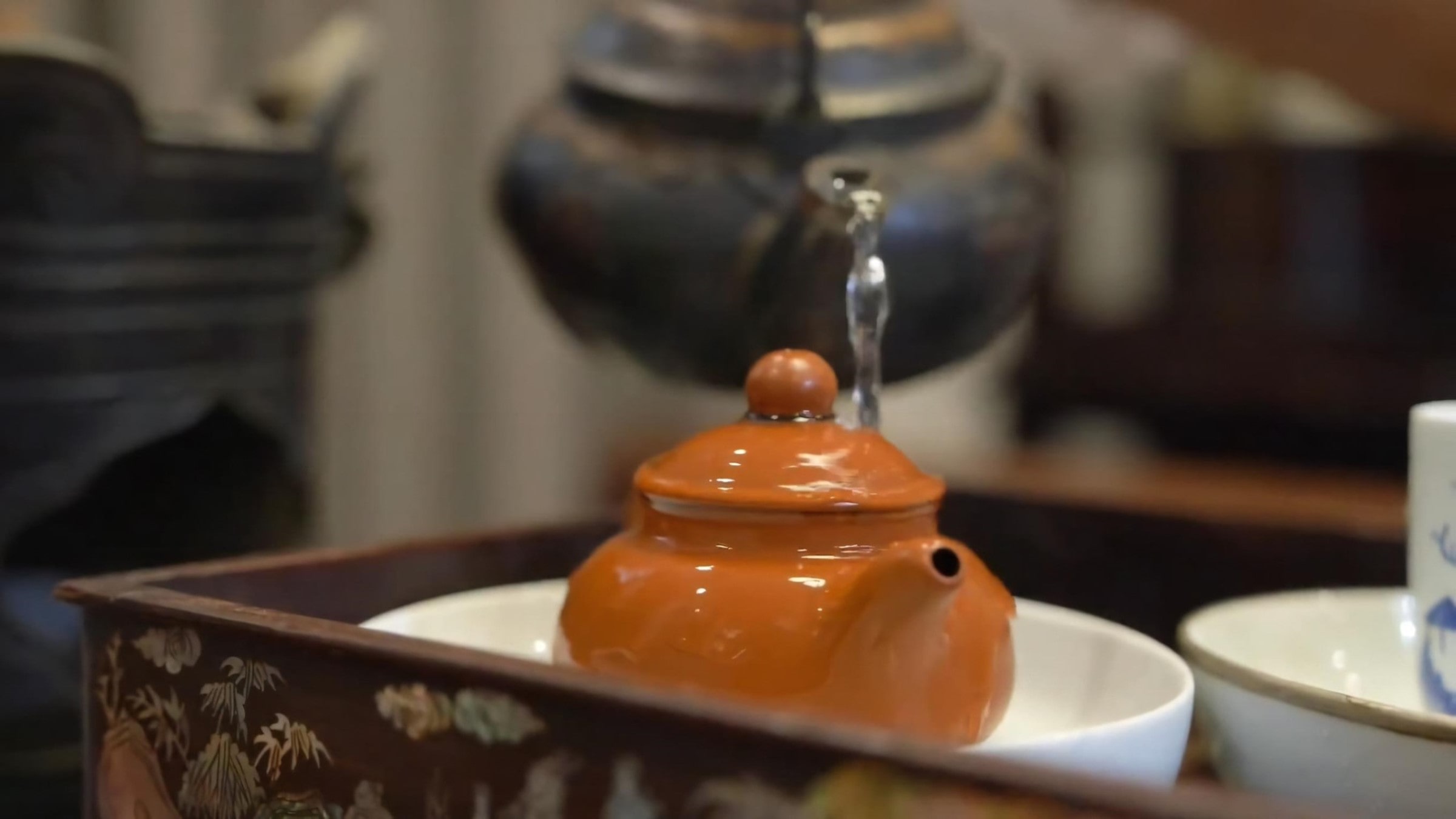
The warming process follows a straightforward pattern. Using freshly boiled water, pour it into each piece of teaware—the teapot, serving pitcher, and drinking cups. Allow the hot water to sit until the material absorbs heat. When you touch the outside and feel warmth radiating through the walls, pour out the warming water. The teaware now maintains an elevated temperature that won’t steal heat from the brewing water.
The second step, awakening the tea, addresses a challenge many overlook. Tea leaves arrive completely dried and contracted. If you add boiling water to dry leaves immediately, the outer surface begins to cook. This cooked outer layer becomes saturated quickly and creates a barrier that prevents water from penetrating the leaf’s interior, meaning essential compounds locked within cannot diffuse into the water.
Place tea leaves into the warmed teapot using a tea scoop. Adjust the amount of tea according to the pot size and your preferred strength. Using too many leaves can make the brew overpowering and reddish in tone, while too few will produce a pale infusion with little fragrance. Finding the right proportion is what the ancients called the art of perfect balance.
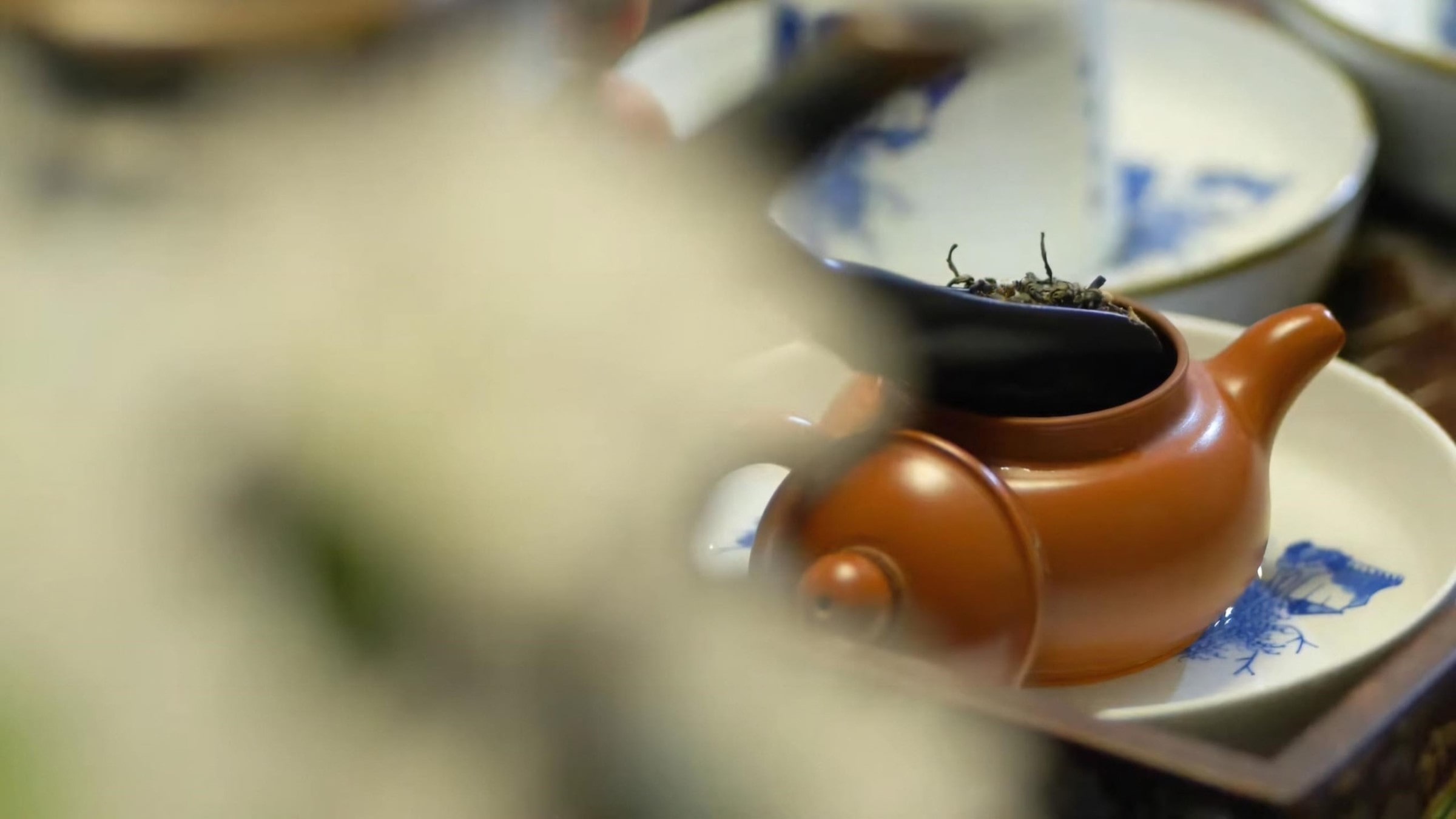
Add boiling water first to the serving pitcher to bring it to the desired temperature—around 185°F (85°C)—then pour this temperature-adjusted water into the teapot over the leaves. The water should remain in contact with the leaves for no more than ten seconds. Immediately pour out most of the water, but intentionally leave approximately one-third of a cup’s worth in the teapot. Slightly lift the lid to allow heat to escape. Wait approximately thirty seconds. The leaves are now properly awakened and ready for brewing.
The third step, brewing the tea, is when proper technique yields the flavor you seek. Pour the water—at around 175–185°F (80–85°C)—from the serving pitcher into the teapot, filling it until it just begins to overflow. For the first infusion, allow the tea to steep for approximately forty-five seconds.
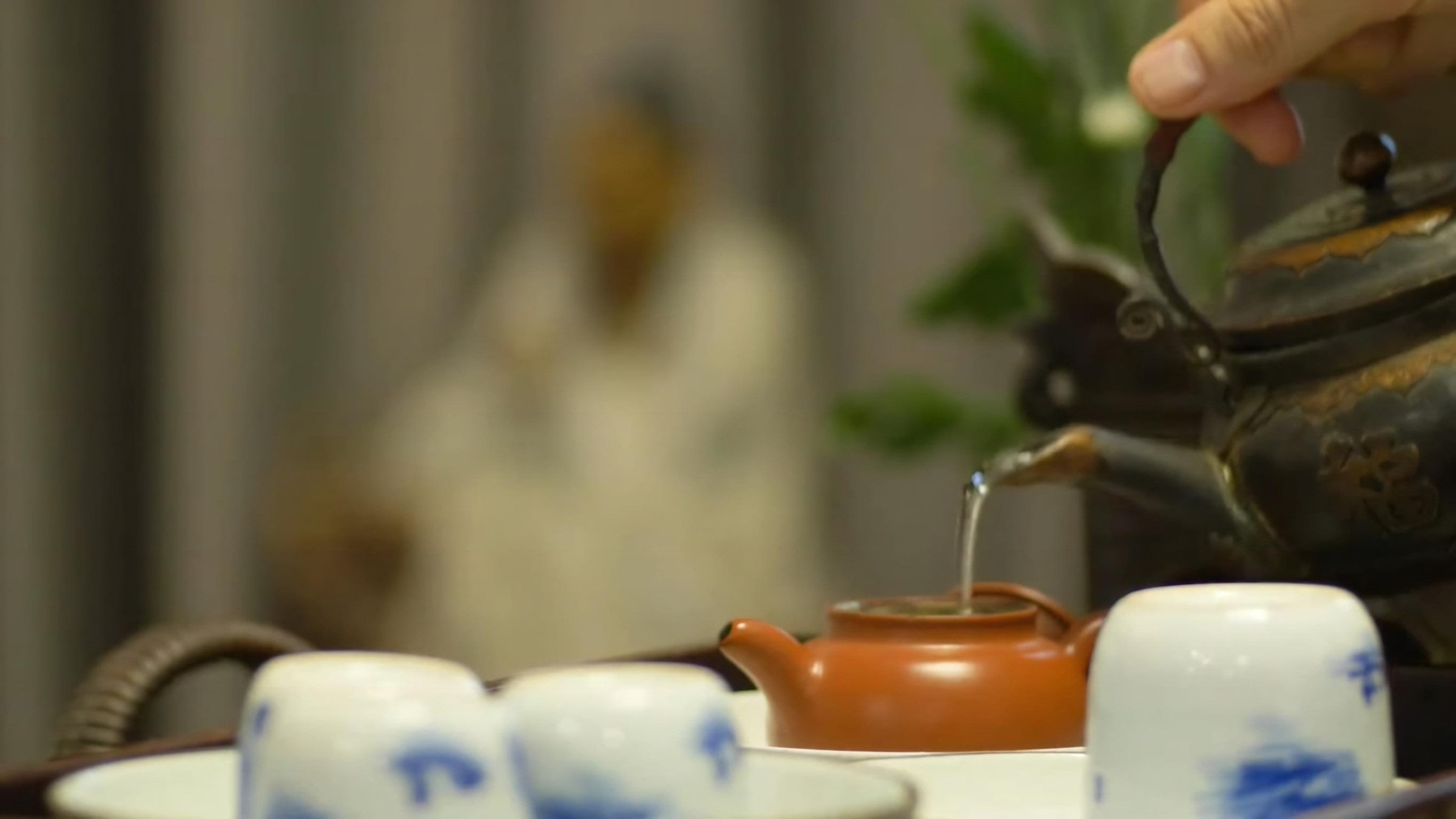
Steeping time varies by tea type and infusion number, but the principle remains constant: control the time the leaves remain in contact with water. If steeping continues too long, the tea becomes overly concentrated, bitter, and astringent. When the leaves are steeped for too long, they become over-extracted and unpleasant, releasing too many tannins.
When steeping concludes, pour the tea from the teapot into the serving pitcher, but intentionally leave approximately one cup’s worth in the pot. This remaining tea, called the essence, helps maintain consistency in flavor from one infusion to the next. After pouring, slightly lift the teapot lid to allow the tea to “breathe”.
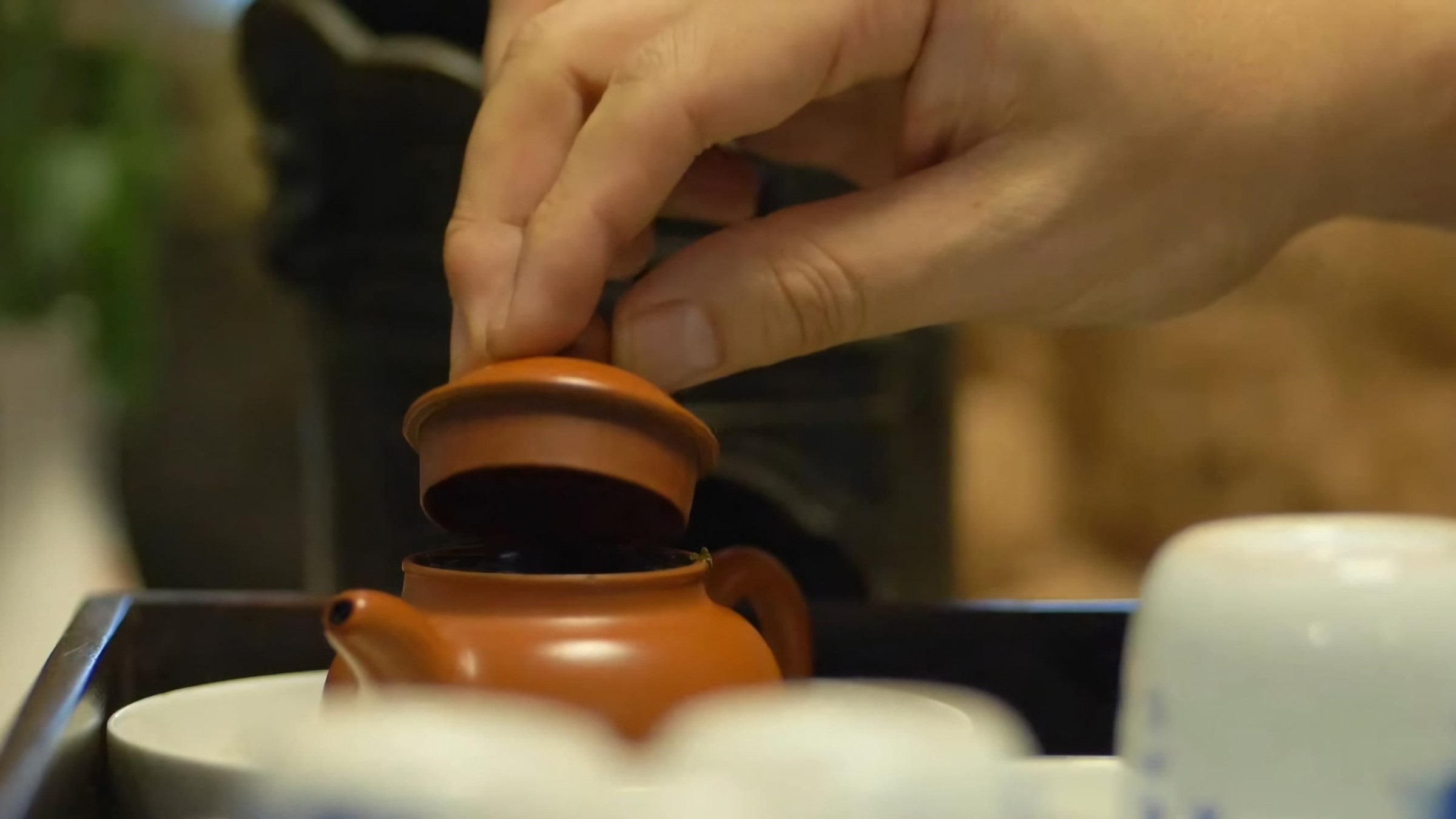
There are circumstances when you might pour out all the tea rather than reserving essence. When working with certain teas that have multiple distinct flavor layers developing over successive infusions, pouring out everything allows you to experience the full evolution of the tea’s character.
The fourth step, pouring for serving, requires attention to temperature. Before pouring into cups, check the tea’s temperature—it should have cooled to a comfortable drinking temperature.
For the most even taste, pour the brewed tea from the pot into a serving pitcher first, then distribute it from the pitcher into individual cups. This step ensures every cup carries the same balanced flavor—none too strong, none too light.
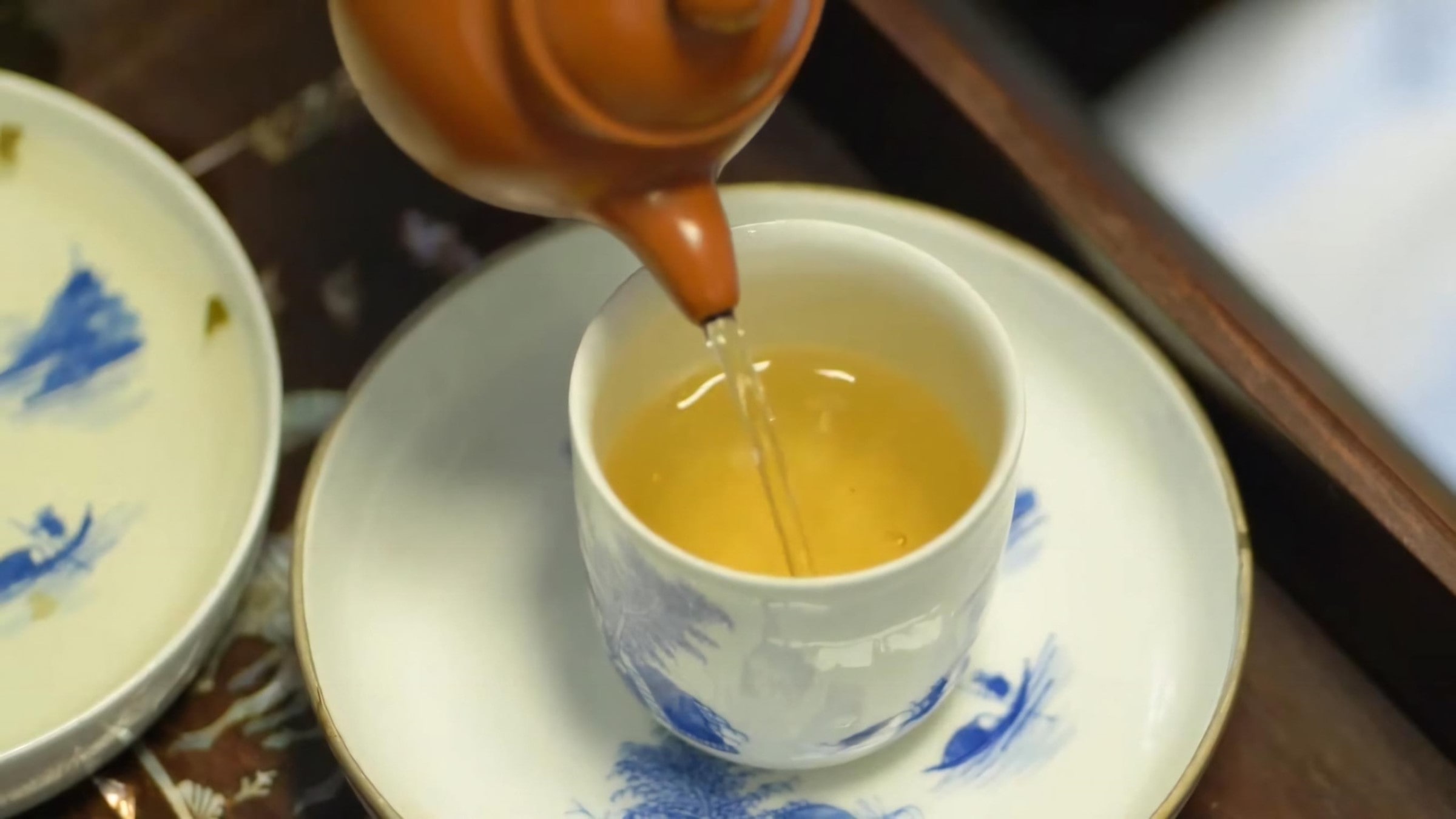
When pouring, don’t fill cups to the brim. Leaving appropriate space serves both practical and aesthetic purposes—an overfilled cup makes drinking difficult and increases spills. The proper fill level allows guests to handle the cup comfortably and appreciate the tea’s aroma.
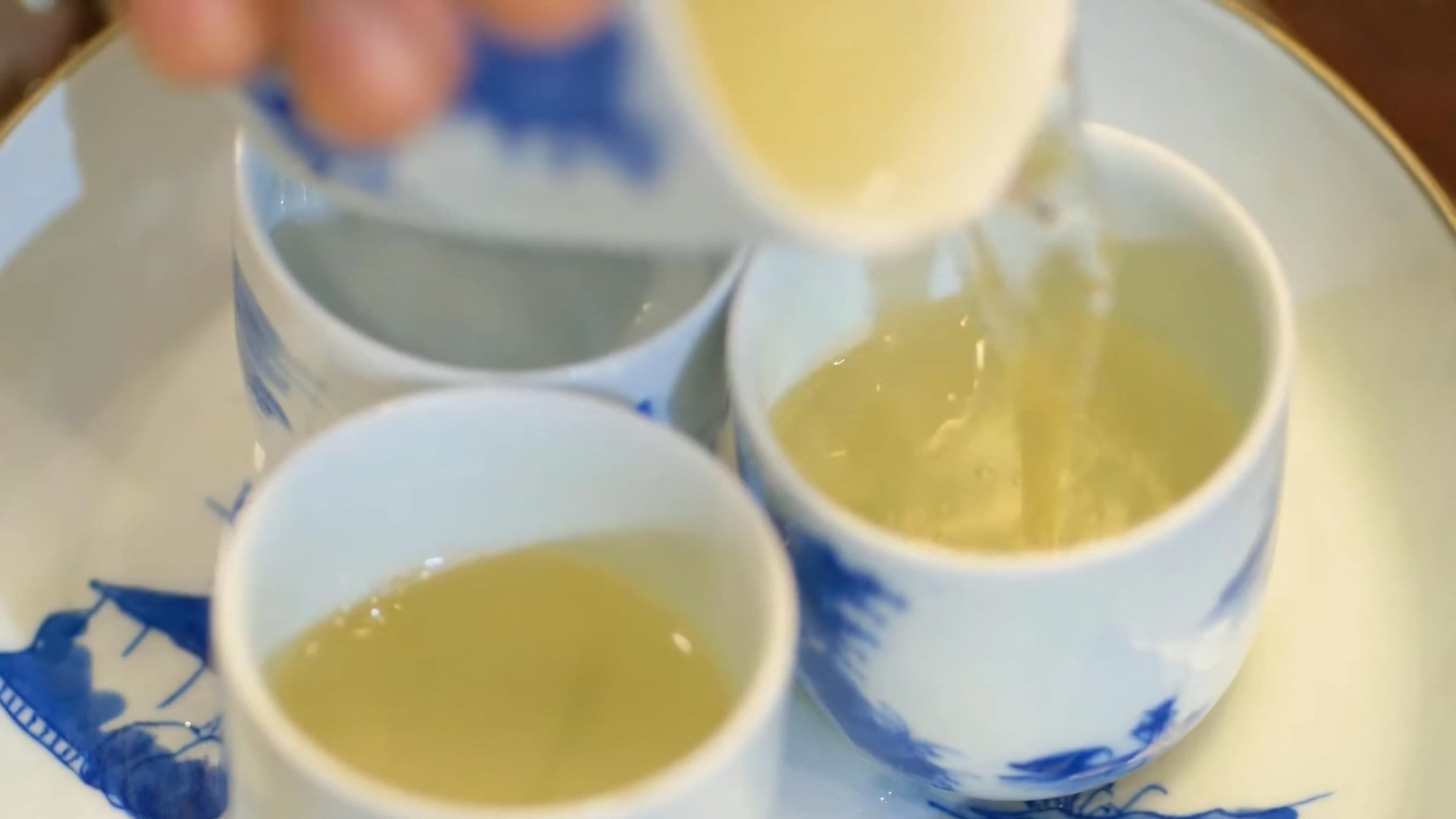
The fifth step brings preparation to completion as you offer tea to your guests. Lift each cup with both hands, using one hand to support the bottom while the other steadies it from the side. This two-handed presentation conveys respect and care.
The tea cup offered with both hands and a bright smile symbolizes a precious gem presented with the sincere desire to bring the most peaceful energy and beautiful blessings to your honored guests.
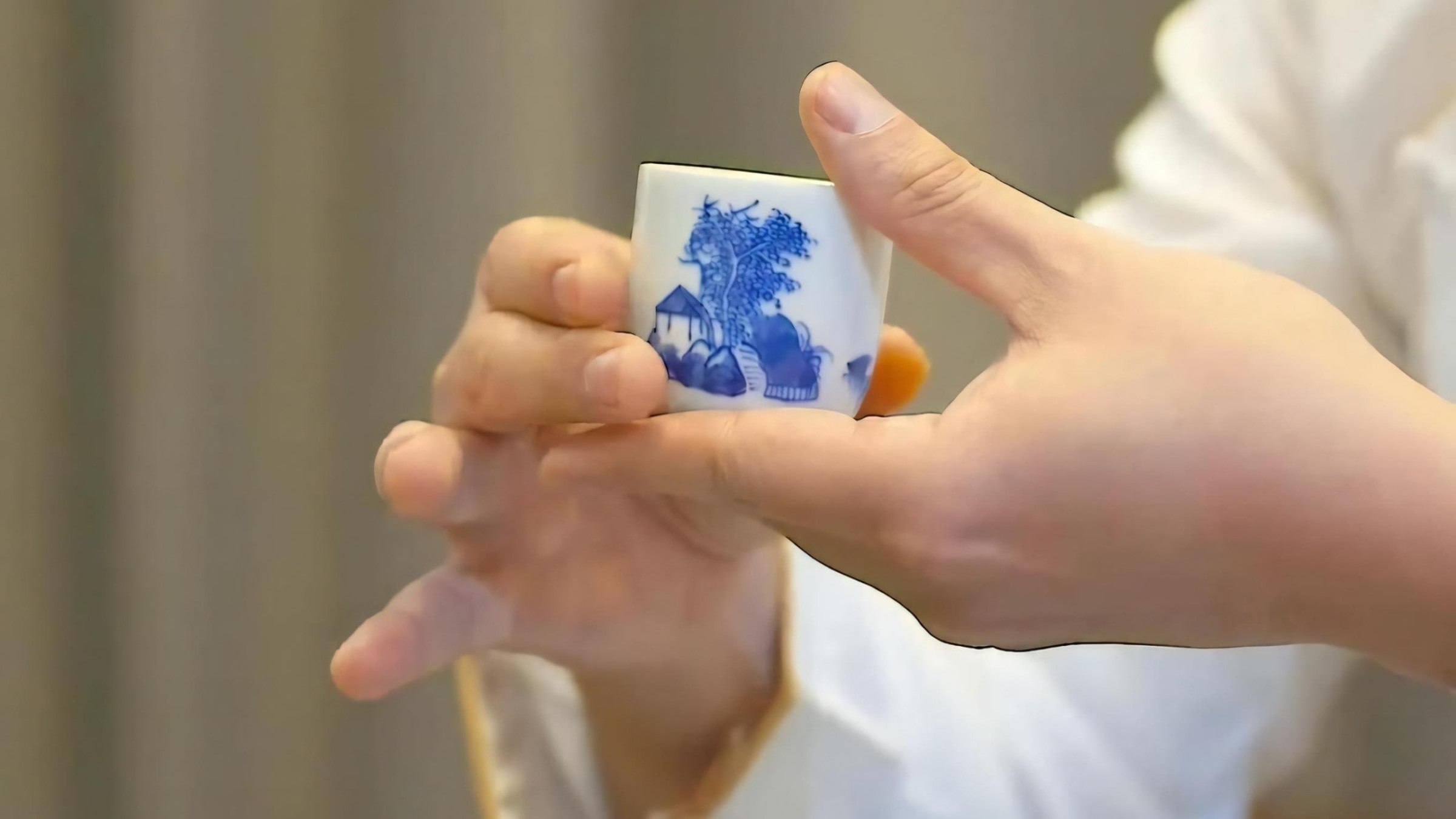
This gesture simultaneously carries a deeper gratitude toward the farmers and artisans who labored through sun and dew to create this exquisite cup of tea. Each presentation thus becomes a moment of connection that honors both the guest before you and those whose dedicated work made this experience possible.
Fourth Teapot: Tools of Transformation
Within the essential equipment for tea preparation, the teapot for brewing and the cups for drinking represent two indispensable elements. Beyond these two foundational items, a comprehensive tea preparation setup benefits from twelve basic tea utensils that provide the necessary tools for proper brewing.
The complete list includes a stove for heating water, a water kettle, a teapot for brewing, tea cups for drinking, a serving pitcher or tea vessel for transferring brewed tea, a complete set of tea utensil tools for handling leaves and equipment, a tea strainer, containers for storing tea leaves, cleaning cloths (ideally two separate cloths—one for wiping the table and one for cleaning the teapot and cups), a waste water bowl or waste bin for discarded water, a tea tray or tea table for conducting the tea ceremony, and a tea boat or cup drying tray that serves as a resting place for cups or allows cups to dry after cleaning. These items collectively represent the standard basic equipment, though you may acquire additional items or follow various equipment sets that many specialty shops currently offer.
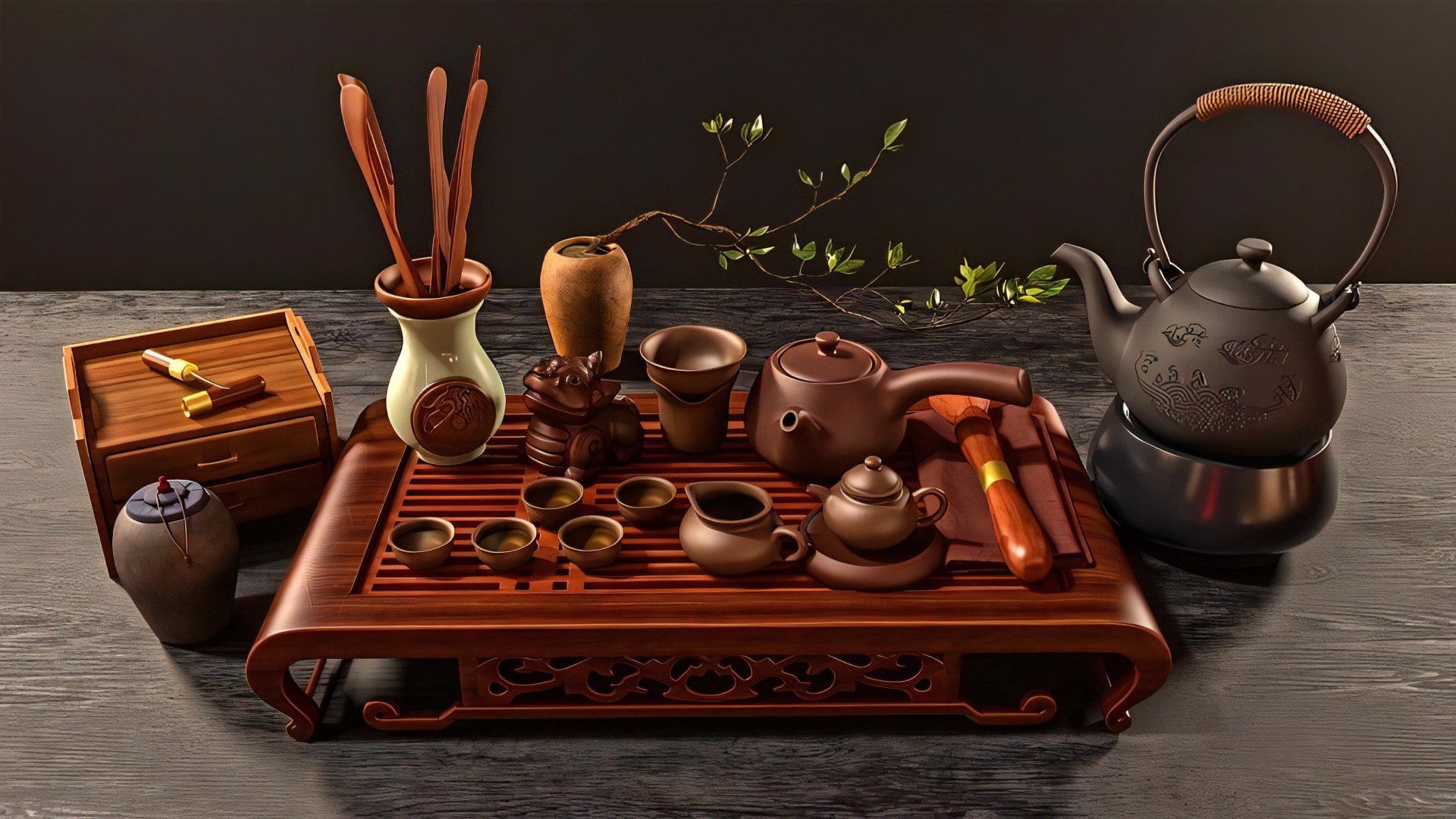
An engaging cultural aspect related to tea utensils deserves mention. Those who have practiced tea drinking for many years often develop the habit of collecting and preserving tea equipment. This collecting becomes a refined hobby in itself, with enthusiasts gathering teapots, cups, decorative items, and various objects to display within their tea-drinking spaces. These elegant pursuits of collecting become intertwined with the tea experience itself, serving as topics of conversation and making each tea session increasingly interesting and enriching.
Selection should respond to the number of participants and tea type. Teapot size should match the number of people sharing tea. A small pot suits solo sessions, allowing you to brew small amounts that remain at optimal temperature. Two people require a slightly larger pot, while three or four need greater capacity. The goal is to match pot size to consumption rate.
Tea type also influences vessel selection. White tea from young buds benefits from wide, open cups rather than heat-retaining pots. These tender leaves require precise temperature control and should not remain hot for extended periods. Conversely, compressed pu-erh cakes need vessels that retain heat well. For those who dedicate themselves to a particular tea variety, using a pot exclusively for that tea preserves the purity of flavor, as the vessel gradually absorbs and enhances the distinctive character of repeated brewing.
Once you have determined your needs, several essential criteria ensure both functional excellence and aesthetic harmony when selecting a specific teapot. Simplicity of design proves superior to elaborate ornamentation—an earthenware pot with harmonious round proportions and unpretentious styling becomes the ideal companion that enhances fragrance and preserves taste.
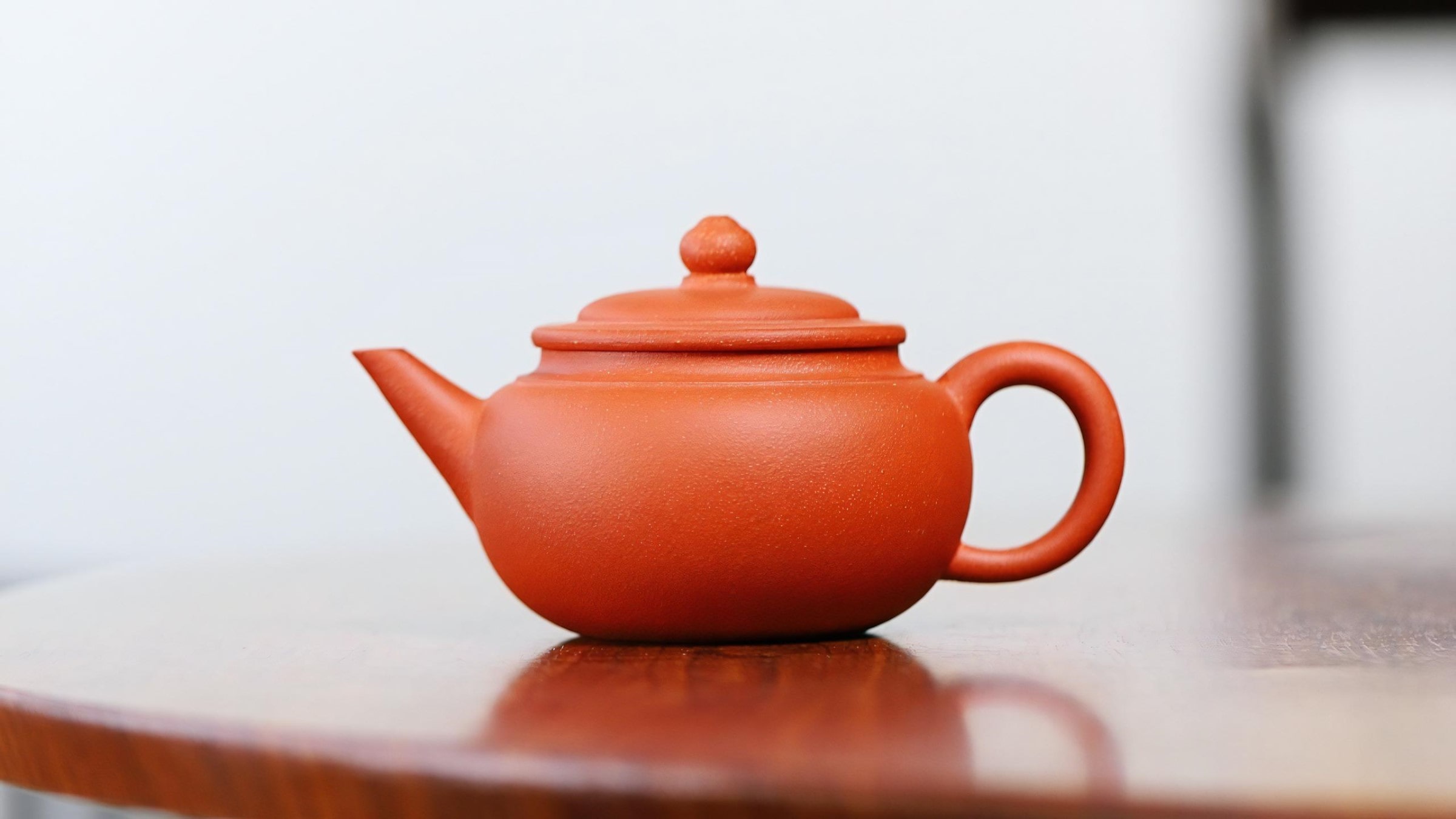
The interior and exterior surfaces should feel smooth to the touch, reminiscent of fine porcelain, without any roughness that might harbor residue or affect the tea’s clarity. Quality can be assessed through several practical tests. Tapping the lid gently against the rim should produce a clear, crisp sound indicating well-fired clay of superior quality.
When placed upside down on a flat surface, the handle, spout, and rim must align perfectly in a straight plane, ensuring proper pouring dynamics—a spout positioned too low causes premature overflow, while one set too high creates awkward, ungraceful flow. The lid must fit precisely with an airtight seal, producing a definitive click when closed. The ultimate test involves covering the air hole on the lid while pouring water; if the flow stops completely, the pot achieves the airtight seal that represents masterful craftsmanship.
The serving pitcher fulfills multiple functions: moderating water temperature before brewing, receiving tea after steeping to stop extraction, and allowing you to check temperature before serving. Drinking cups should be sized appropriately—smaller cups encourage savoring and maintain optimal temperature.
While traditional preparation uses these specific pieces, adaptability remains important. Once you understand the fundamental principles underlying each step, you can adapt techniques to various contexts and equipment.
Why Each Step Matters When Making Loose Leaf Tea
The synchronization among the three remaining elements—brewing water, tea leaves, and tea utensils—proves essential for successful tea preparation. This coordination significantly influences the brewing techniques you employ. Once you have selected these three elements to your satisfaction, the next step involves heating the water, with careful attention to both temperature and boiling time to achieve tea that meets your preferred standards.
Each tea variety requires specific temperatures and steeping times. However, experienced tea practitioners have identified general principles to guide the process. When you gain experience and begin to observe the body structure of tea leaves, understand the characteristics of different varieties, and comprehend how various teas are processed, you develop an intuitive feel for brewing. This experiential knowledge becomes particularly important as you work with different tea types. As the traditional saying reminds us, practicing with your hands develops skill more effectively than merely observing others. To illustrate this principle, consider that tea varieties with thin, small leaves should be brewed at temperatures that are not excessively high. Conversely, older tea varieties with longer, thicker leaves containing more accumulated compounds require longer steeping times and higher water temperatures for proper extraction.
Warming tea utensils prevents heat loss that would compromise temperature control. When cold teaware absorbs heat energy, brewing temperature drops unpredictably. The compounds in tea leaves respond to specific temperature ranges. If you cannot control temperature accurately, you cannot control what flavors emerge. Pre-warming eliminates this variable.
The awakening step prevents the formation of a sealed outer layer that would block proper infusion. When dry leaves encounter boiling water suddenly, the temperature shock cooks the leaf surface. This cooked layer’s altered cellular structure prevents water from penetrating deeper, trapping essential oils and aromatic compounds. By briefly wetting the leaves and allowing them to rest, you initiate rehydration gradually. The awakening also removes leaf fragments and dust particles from processing and storage.
The limitation on steeping time prevents over-extraction and bitterness. Tea leaves contain both desirable elements (amino acids, aromatic oils, subtle polyphenols) and undesirable ones (harsh tannins and bitter alkaloids). Short, controlled steeping allows pleasant compounds to infuse while leaving harsh elements bound in the leaf structure. Extended steeping releases everything indiscriminately.
Reserving tea essence in the pot between infusions creates consistency across multiple brewings. The first infusion produces the strongest, most concentrated liquid. By leaving concentrated tea from the first infusion, you blend it with the second brewing, creating more consistent strength and flavor.
Checking tea’s temperature before pouring for guests represents a crucial responsibility. When tea remains too hot, it can cause genuine harm. Many people lack experience judging liquid temperature by sight. If a guest receives dangerously hot tea, they might burn their tongue, which affects not only the immediate session but also subsequent meals and activities. By checking temperature before serving others, you ensure guests receive tea at a comfortable, safe temperature.
Before pouring into individual cups, place your palm near or briefly against the serving pitcher. Your palm’s sensitivity provides a reliable temperature indicator. If the pitcher feels warm but not painfully hot, the tea has reached an appropriate drinking temperature.
The Art of Receiving and Appreciating Tea
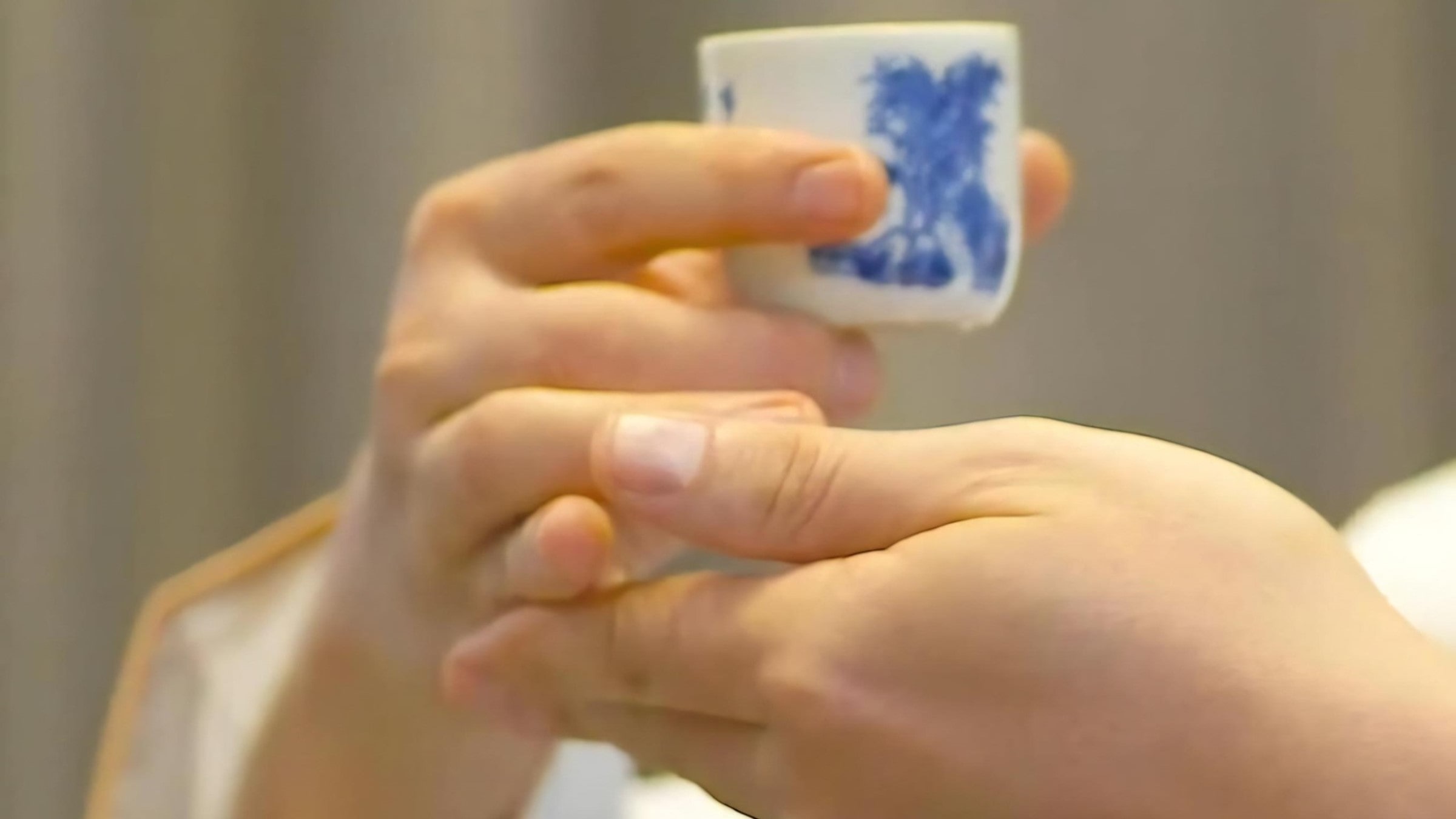
When someone offers you tea, the manner in which you receive and drink it affects your experience and shows respect. Upon receiving a cup, don’t immediately bring it to your lips. Place the cup in your palm with your hand cupped around it. Hold it and gently rotate it. If your palm feels comfortable warmth, the tea has reached suitable drinking temperature. This gesture also shows appreciation for the offered tea.
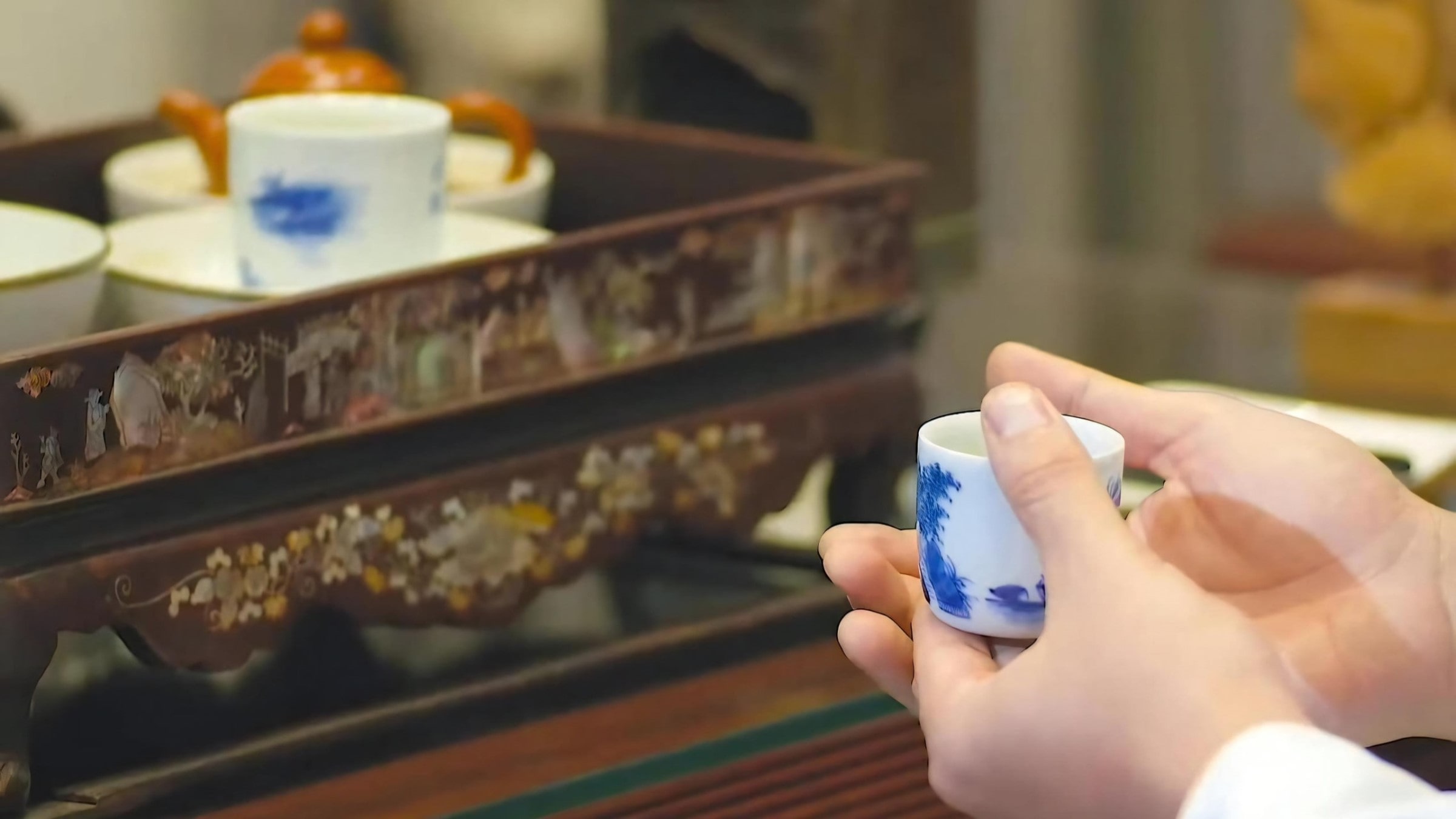
Before drinking, lift the cup toward your face. Use your middle or ring finger to support the bottom while your thumb and remaining fingers hold it from the sides. Your other hand should rise to support from beneath. Inhale gently, allowing the tea’s aroma to enter naturally. The aromatic compounds in the steam provide the first dimension of tea appreciation.
After appreciating the aroma, take a moderate sip. Hold the tea in your mouth briefly, allowing it to spread across your tongue and reach all taste receptors. Take a deep breath inward through your nose, then swallow. Immediately after swallowing, exhale gently through your nose. This exhalation carries aromatic compounds through your throat and nasal passages, providing retronasal olfaction—a deeper, more complete perception of aromatic complexity.
After emptying the cup, set it down and wait approximately thirty seconds. The essential oils clinging to the cup’s interior begin to warm further and evaporate. Lift the empty cup back to your nose and inhale gently. Don’t sniff forcefully—forceful inhalation drives compounds too quickly into your lungs where they cannot be properly appreciated. Gentle breathing allows aromatic molecules to drift upward naturally and linger in contact with olfactory receptors.
The aroma from an empty tea cup often proves to be the most captivating aspect of the entire experience. This lingering fragrance possesses an intensity and purity that many tea lovers treasure above all other aspects.
When enjoying tea, Vietnamese people always focus their complete attention on the present moment, seeking to perceive each nuance of fragrance, each note of sweetness in the tea.
Adapting Principles to Practice
The five-step method represents an ideal framework, but these principles should guide your practice rather than constrain it. Once you understand the fundamental reasons behind each step, you can adapt techniques to different circumstances, teas, and contexts. The essence lies in understanding why warming prevents heat loss, why awakening prevents sealing, why timing prevents bitterness, and why temperature awareness prevents harm.
When you travel or find yourself without complete equipment, apply these principles using whatever vessels are available. A regular bowl can serve as a teapot if you understand how to manage temperature and timing. The specific implements matter less than the understanding you bring to the process.
Different teas demand different approaches, and experience teaches you how to modify technique for specific varieties. The framework remains constant, but details shift based on the tea’s character, available water, weather conditions, time of day, and your purpose.
The Vietnamese approach to tea preparation offers a comprehensive system that honors both the tea and the people who share it. By preparing water carefully, selecting tea thoughtfully, choosing appropriate utensils, following the five preparation steps with understanding, and appreciating the tea fully, you create experiences that transcend simple beverage consumption.
When you commit to understanding how to make loose leaf tea using these Vietnamese methods, you develop sensitivity to temperature, timing, and proportion. You cultivate awareness of how your choices at each stage affect the final result. You learn to read tea leaves, water, and teaware as interconnected elements in a dynamic system.
We wish you delicious and properly prepared tea sessions. May these principles guide you in creating meaningful tea experiences for yourself and those with whom you share this timeless practice.